

Content
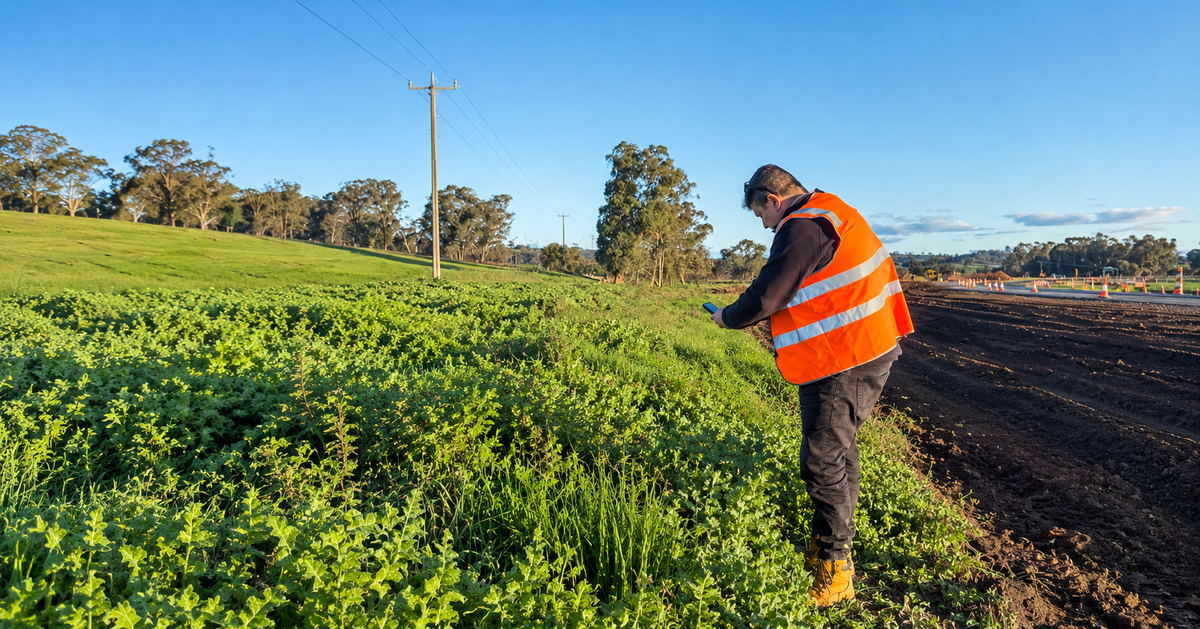
Selecting Herbicides Within an Integrated Vegetation Management Program
Effective herbicide selection begins long before a product is chosen. Within an Integrated Vegetation Management (IVM) program, herbicides are selected to support clearly defined management objecti...
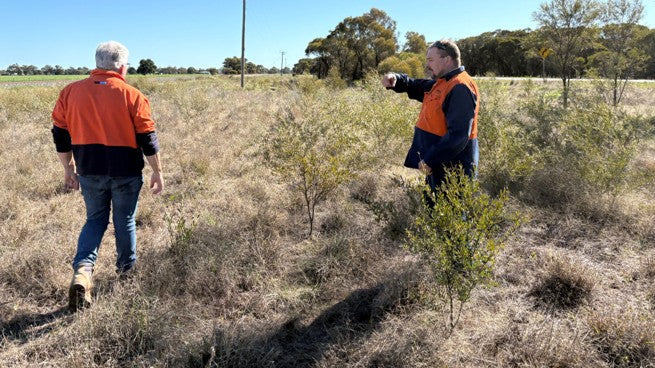
Integrated Vegetation Management: Managing Outcomes, Not Treatments
A vegetation program is not defined by how many times a crew sprays or mows. It is defined by whether the asset is safe, functional and being managed to an agreed standard over time. Integrated Veg...

Supply disruption is a chance to review, plan and rotate.
When a major product becomes unavailable, it creates an important moment for the industry to pause, review and adapt. The recent supply disruption affecting a key industrial residual herbicide is a...
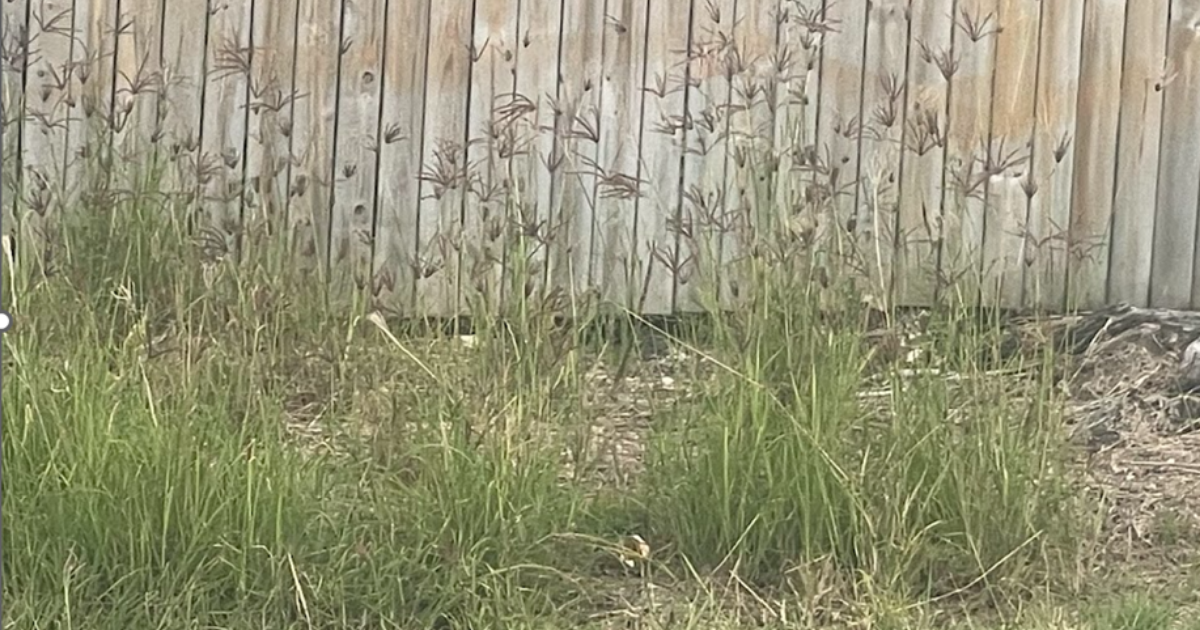
Herbicide Resistance: Protecting the Tools We Still Have
Herbicide resistance is usually noticed when something stops working. A treatment that once delivered reliable control begins leaving survivors and attention quickly turns to what product should be...
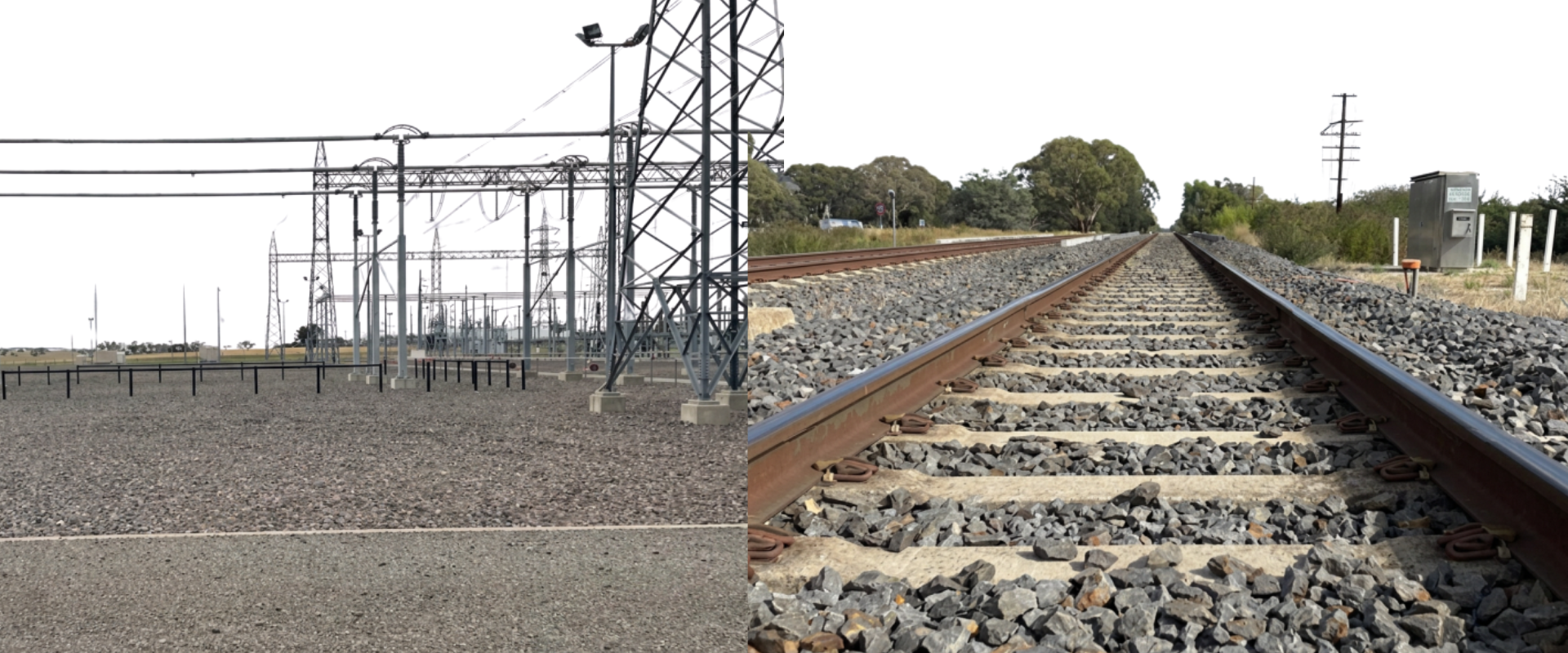
From Reactive Weed Control to Proactive Vegetation Management
Evidence to Adoption examines how integrated vegetation management research has been translated into repeatable operational programs across Australian road, rail, open space and infrastructure asse...
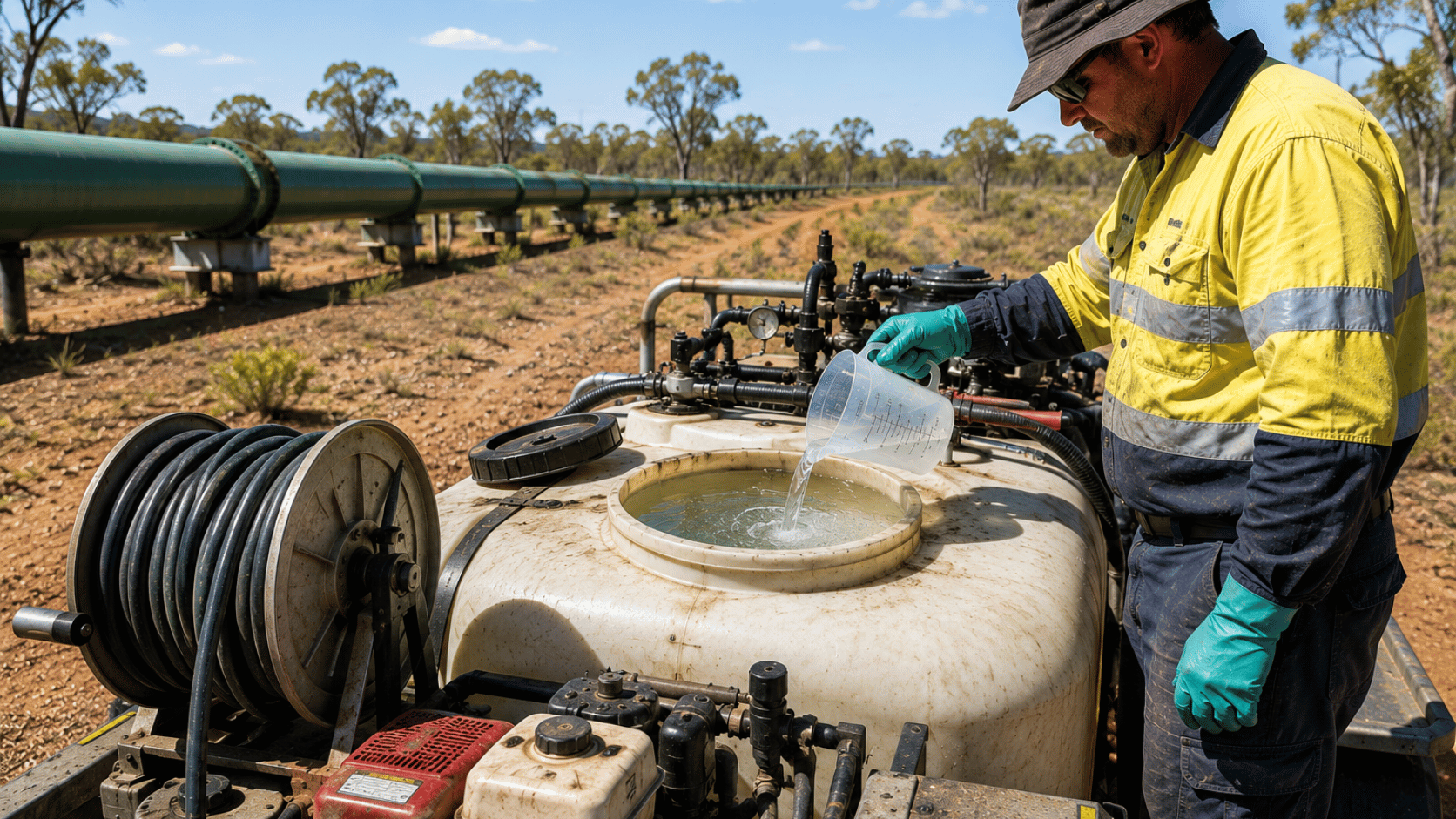
Water Quality and Tank Mixing: Why Formulation Matters
Two herbicides may contain exactly the same active ingredient yet produce noticeably different field results. While the active ingredient provides the herbicidal activity, the formulation determine...
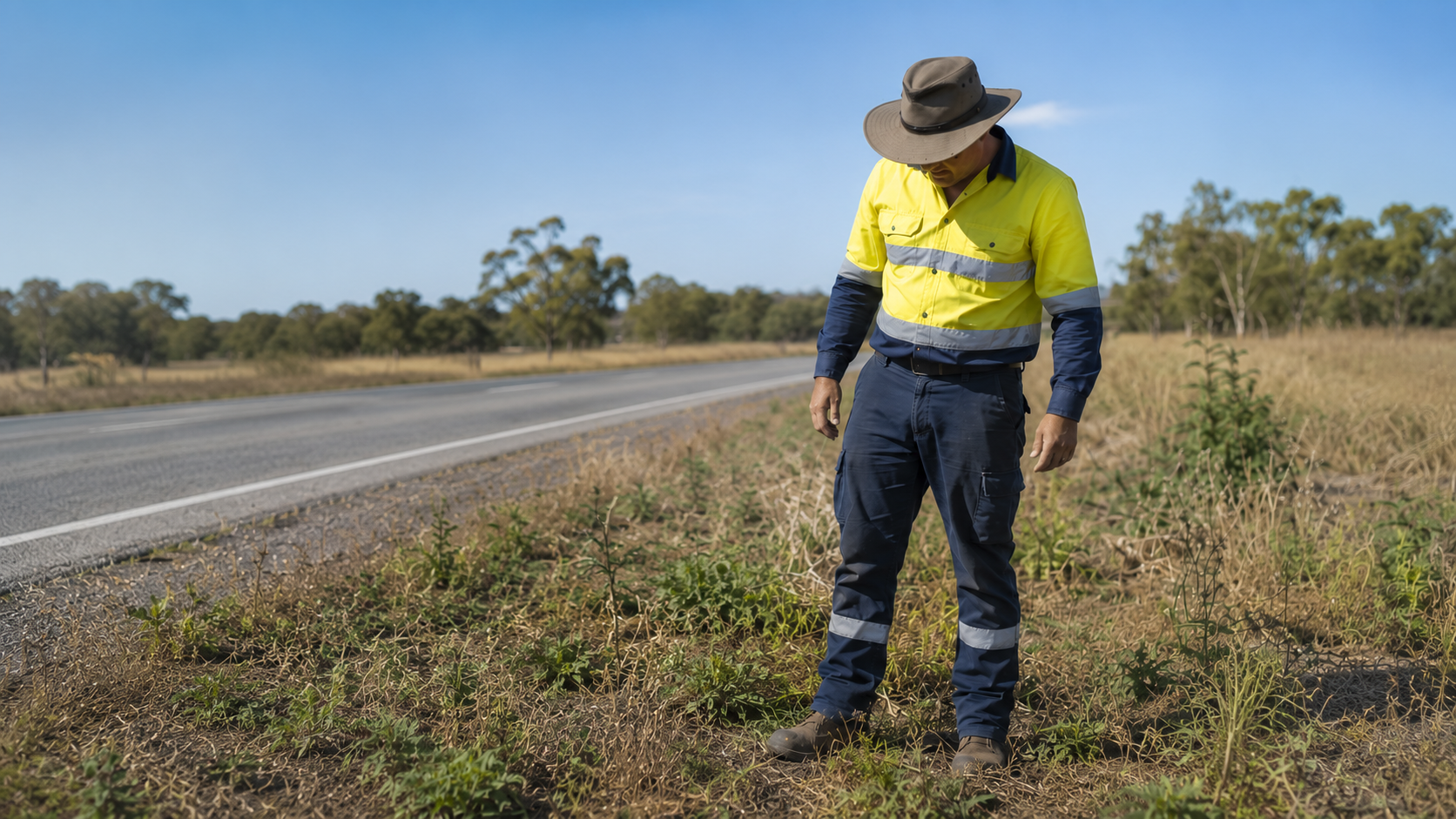
Poor Weed Control? Check More Than the Herbicide
Herbicide resistance occurs when a weed population can survive a herbicide that previously controlled it. Treatment failure simply means the herbicide did not deliver the expected result. The two s...

Greenway Solutions Group Celebrates Another Gold Coast Business Excellence Award
Greenway Solutions Group is proud to have once again been recognised through the Gold Coast Business Excellence Awards, marking the third consecutive year the company has received this prestigious ...
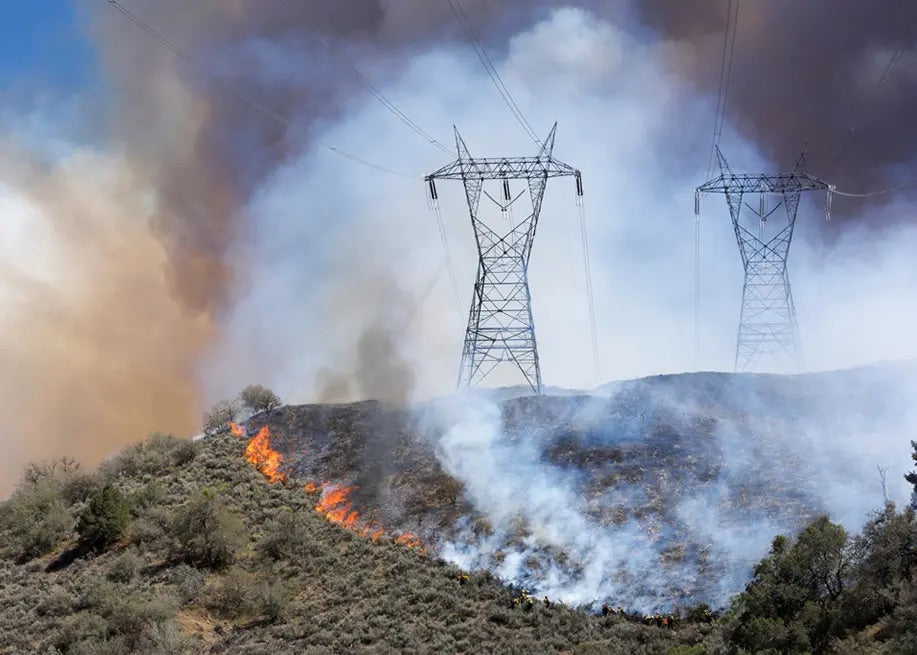
A Self Improving Integrated Vegetation Management Program Supported by Satellite Intelligence
Utility vegetation management is increasingly moving beyond fixed maintenance cycles and into an era of continuous operational intelligence. That shift was strongly reinforced during a ROW14 presen...