

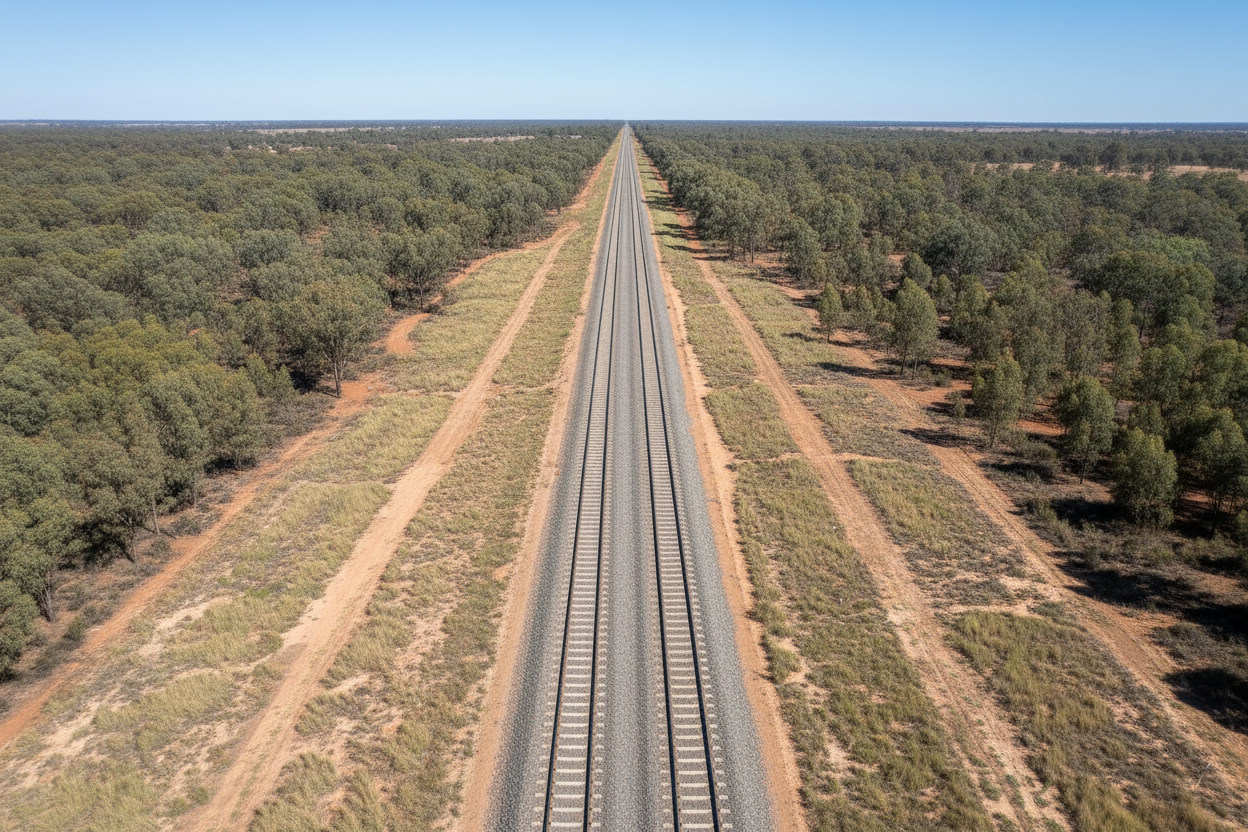
Vegetation management for linear infrastructure in Australia, a practical strategy that reduces risk and improves outcomes
Roads, rail corridors, pipelines and electricity networks all rely on predictable vegetation outcomes. When vegetation is unmanaged or managed inconsistently, the result is higher bushfire risk, outages, service disruption, asset damage, safety incidents, weeds and community complaints. When it is managed well, the corridor becomes safer, easier to maintain, cheaper to operate over time, and more defensible from a compliance standpoint.
The strategic objective
A credible vegetation management strategy for linear infrastructure should deliver 4 outcomes at the same time. 1, protect people and critical assets. 2, reduce bushfire ignition and fire spread risk. 3, meet legal and environmental obligations. 4, optimise whole of life cost through risk based targeting and repeatable program cycles.
Start with risk, not activities
Most programs start with activities, mow this, trim that, spray here. A stronger approach starts with risk classification and then selects the least disruptive intervention that achieves the required outcome. The risk model should consider 6 variables. 1, likelihood of vegetation contact or obstruction. 2, consequence of failure, including safety, reliability and bushfire exposure. 3, growth rates by species and site conditions. 4, fall risk and hazard tree potential outside the immediate corridor. 5, access constraints for maintenance and emergency response. 6, environmental sensitivity including threatened species habitat, waterways and erosion prone soils.
Once segments are classified, the program can be tuned. High consequence corridors get shorter inspection cycles, tighter tolerances and faster response windows. Low consequence corridors can shift to condition based maintenance supported by remote monitoring, delivering cost control without increasing risk.
Legal and compliance foundations
Compliance is not optional and it is not only environmental. It includes electrical safety rules for vegetation clearance near powerlines, road safety sight distance obligations, rail safety requirements, biosecurity duties for weeds and pathogens, and state based native vegetation controls for clearing in road reserves and other regulated areas. The best operational test is simple, can your team demonstrate why each intervention was necessary, what approvals applied, what controls were used, and what evidence exists after the work was completed.
Bushfire risk reduction as a core design input
Vegetation and fuel management is central to corridor risk in Australia. This includes maintaining defensible space and appropriate clearances, managing fine fuels such as grasses and leaf litter, removing hazard trees where justified, and ensuring access tracks remain usable for response crews. Where appropriate, planned burning can be integrated as part of a wider fuel strategy, especially when supported by local fire authorities and Traditional Owner groups. The principle is to reduce the probability of ignition and reduce the ability of fire to build intensity and spread.
Environmental protection that still works operationally
Linear corridors often contain high value remnant vegetation and provide habitat connectivity. An effective strategy protects these values by using the mitigation hierarchy, avoid, minimise, rehabilitate, offset, and by selecting interventions that achieve clearance or access outcomes while retaining stable, low growing vegetation. Weed management is also environmental management. A corridor that becomes a weed highway creates downstream cost and reputational risk. A corridor that supports stable native groundcover reduces erosion, suppresses weeds and reduces fuel volatility.
Choosing the right treatment mix
There is no single method that works everywhere. A mature program uses integrated vegetation management and selects from mechanical, chemical, cultural and biological tools. The decision should be based on risk, site constraints, seasonality, target species and environmental sensitivity. For example, repeated slashing alone can entrench problem weeds, whereas a selective herbicide program paired with revegetation can shift the plant community toward a more stable, low maintenance state. In some rail contexts, remote controlled mulching can improve safety outcomes and reduce regrowth while improving surface stability for access.
Technology that improves certainty
Remote sensing, drones, LiDAR and analytics are now practical tools for Australian corridor managers. They can improve safety by reducing exposure to hazardous access, improve accuracy by measuring clearances precisely, and improve planning by identifying hotspots early. The real value is not the drone itself, it is the program workflow. Capture, analyse, prioritise, dispatch, verify, record. When the workflow is right, you get defensible evidence for compliance, faster response after storms, and more targeted spend.
Governance and stakeholder engagement
Linear infrastructure crosses multiple jurisdictions and land tenures. Governance should define roles and decision rights, including who owns the risk, who approves clearing decisions, who manages stakeholder communication, and how disputes are resolved. Stakeholder engagement should be planned, not reactive. Neighbouring landholders, councils, regulators, community groups and Traditional Owners can all influence program success. Transparent criteria and proactive notifications reduce conflict, especially when higher impact works such as hazard tree removal are required.
Monitoring, evaluation and continuous improvement
Vegetation grows back, and risk changes with weather, land use and climate. Monitoring should track clearance compliance, regrowth rates, weed spread, incident drivers, and program cost per corridor segment. Evaluation should link activity to outcomes, not only to outputs. For example, measure reductions in vegetation related outages, reductions in fire starts attributable to the corridor, and reductions in repeat weed incursions. Continuous improvement means updating the risk model, adjusting cycles, improving contractor capability and using data to refine treatment selection.
A practical implementation pathway
A realistic rollout approach can follow 6 steps. 1, define corridor objectives and risk appetite by asset class. 2, build the corridor risk model and segment classification. 3, confirm legal and environmental constraints and approvals pathways. 4, select treatment standards and intervention libraries by corridor type. 5, build the annual program and inspection schedule supported by digital evidence capture. 6, monitor outcomes, review performance, and update the program annually.
What good looks like
Good corridor vegetation management is not about doing more work. It is about doing the right work, in the right places, at the right time, with evidence. It reduces bushfire exposure, improves reliability and safety, protects environmental values, and delivers stable program cycles that finance teams can forecast.

Additional content
VIEW GWS' ADDITIONAL CONTENT TO LEARN MORE ABOUT THE WEED INDUSTRY
Selecting Herbicides Within an Integrated Vegetation Management Program
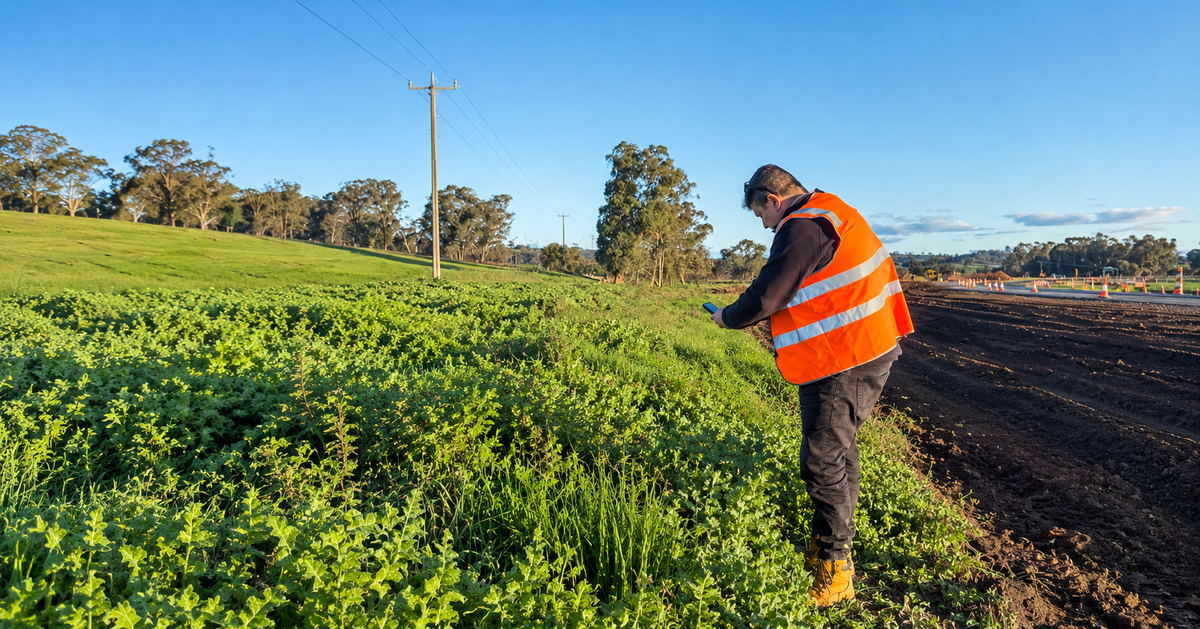
Effective herbicide selection begins long before a product is chosen. Within an Integrated Vegetation Management (IVM) program, herbicides are selected to support clearly defined management objecti...
Read more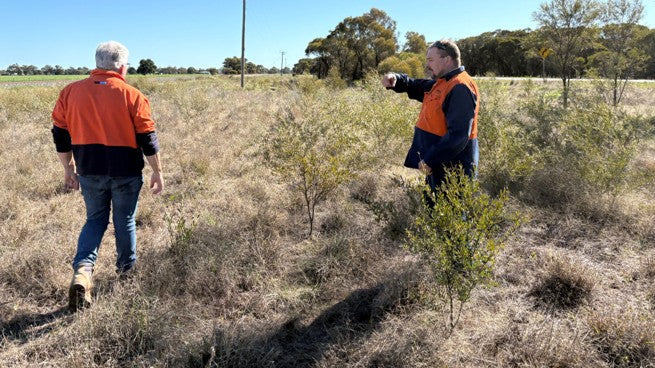
Integrated Vegetation Management: Managing Outcomes, Not Treatments
A vegetation program is not defined by how many times a crew sprays or mows. It is defined by whether the asset is safe, functional and being managed to an agreed standard over time. Integrated Veg...
Read more
Supply disruption is a chance to review, plan and rotate.
When a major product becomes unavailable, it creates an important moment for the industry to pause, review and adapt. The recent supply disruption affecting a key industrial residual herbicide is a...
Read more