

Content
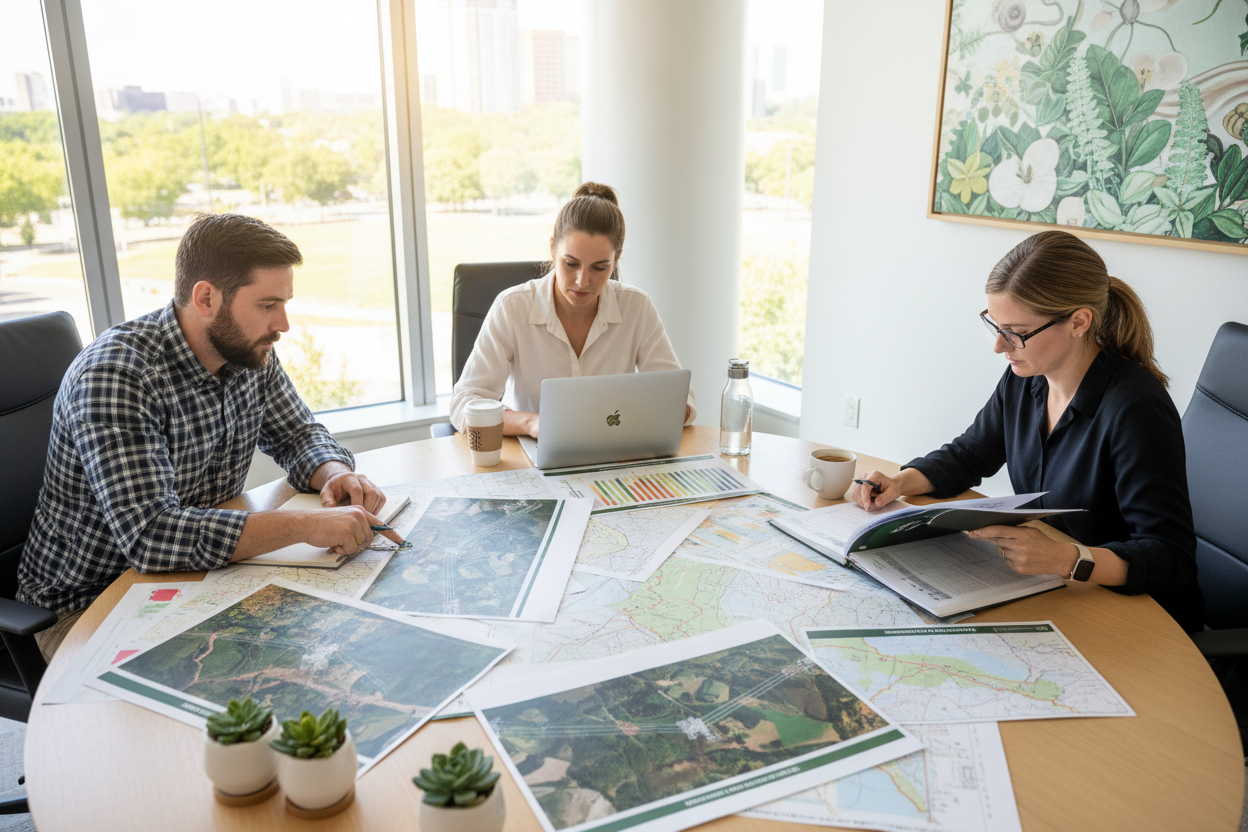
One of the strongest arguments for Integrated Vegetation Management is not operational, it is governance based. In traditional reactive vegetation management models, decisions are often difficult t...
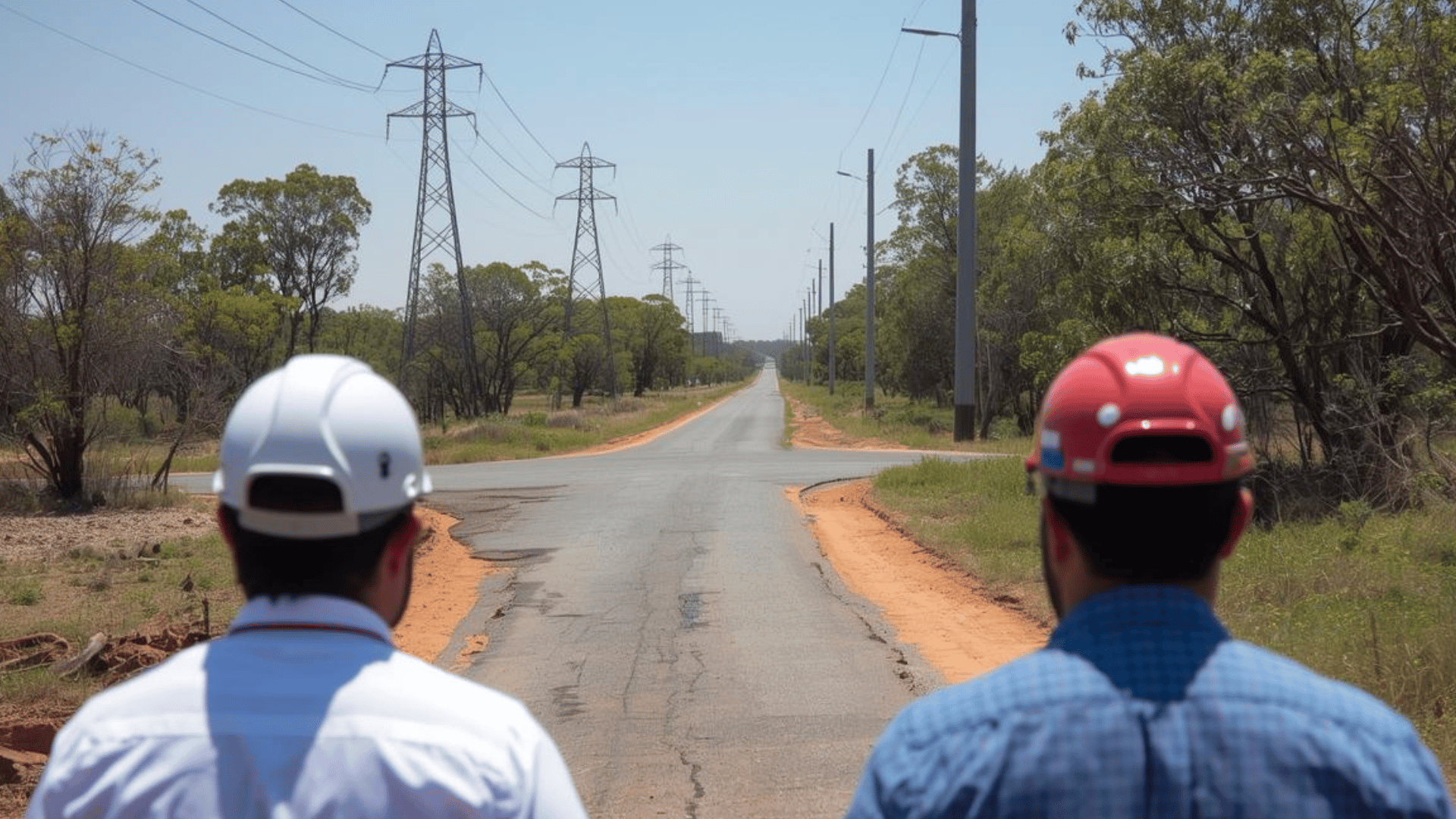
As Integrated Vegetation Management gains traction, one question consistently arises, how do we change contracting models without increasing risk or losing governance control. This concern is under...
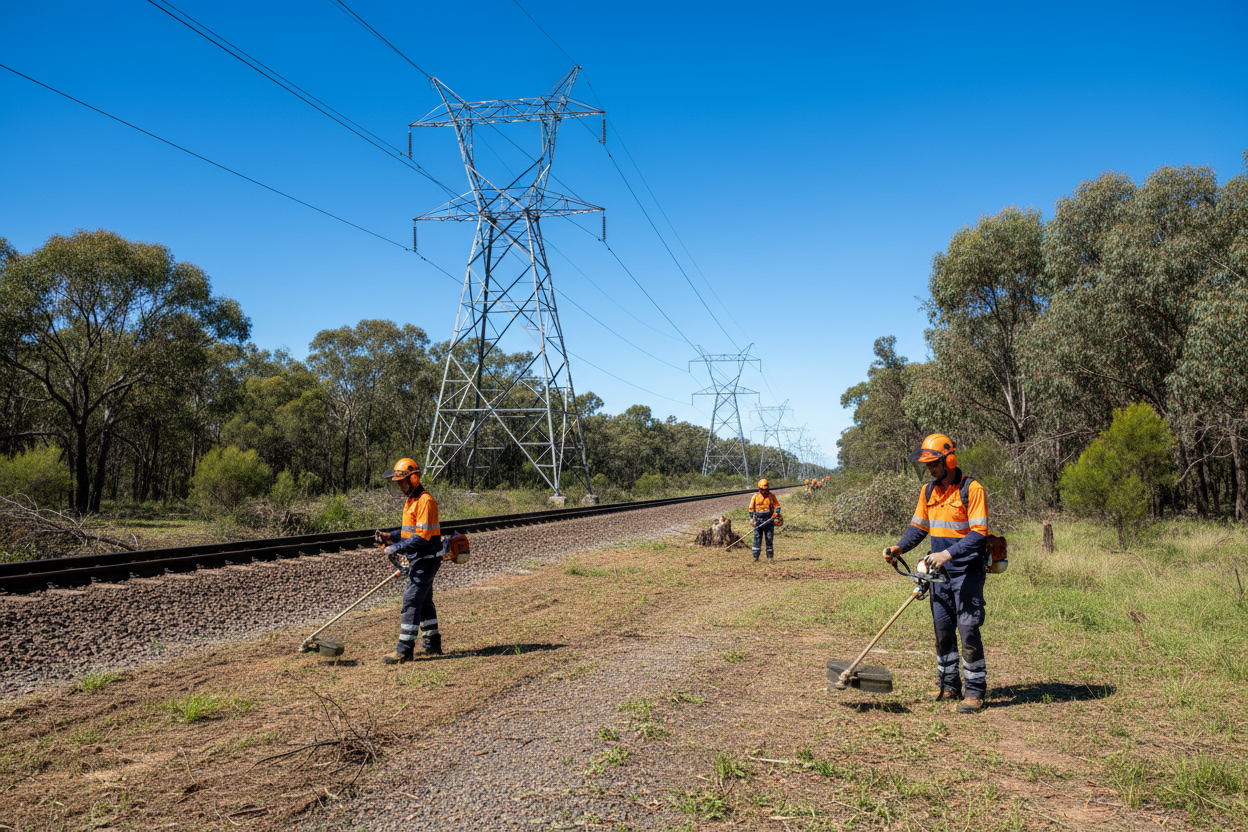
Across most linear infrastructure portfolios, vegetation risk is already being outsourced. Contractors carry day to day exposure, access challenges and delivery risk. However, asset owners and asse...
Doing More With Less | Integrated Vegetation Management Series 2026 Article 1
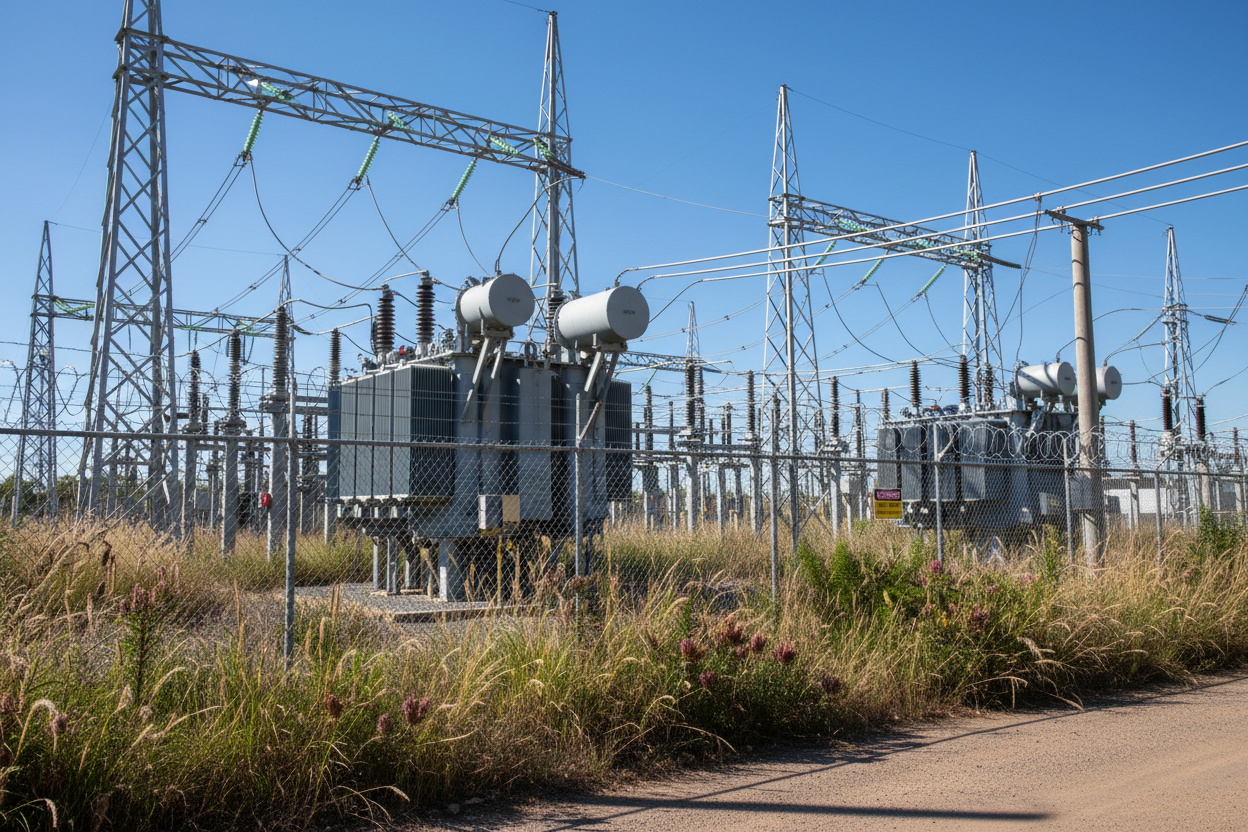
Vegetation management across infrastructure assets is becoming more complex, not less. Roads, rail, utilities, pipelines, renewables, substations and industrial assets are operating under tighter a...
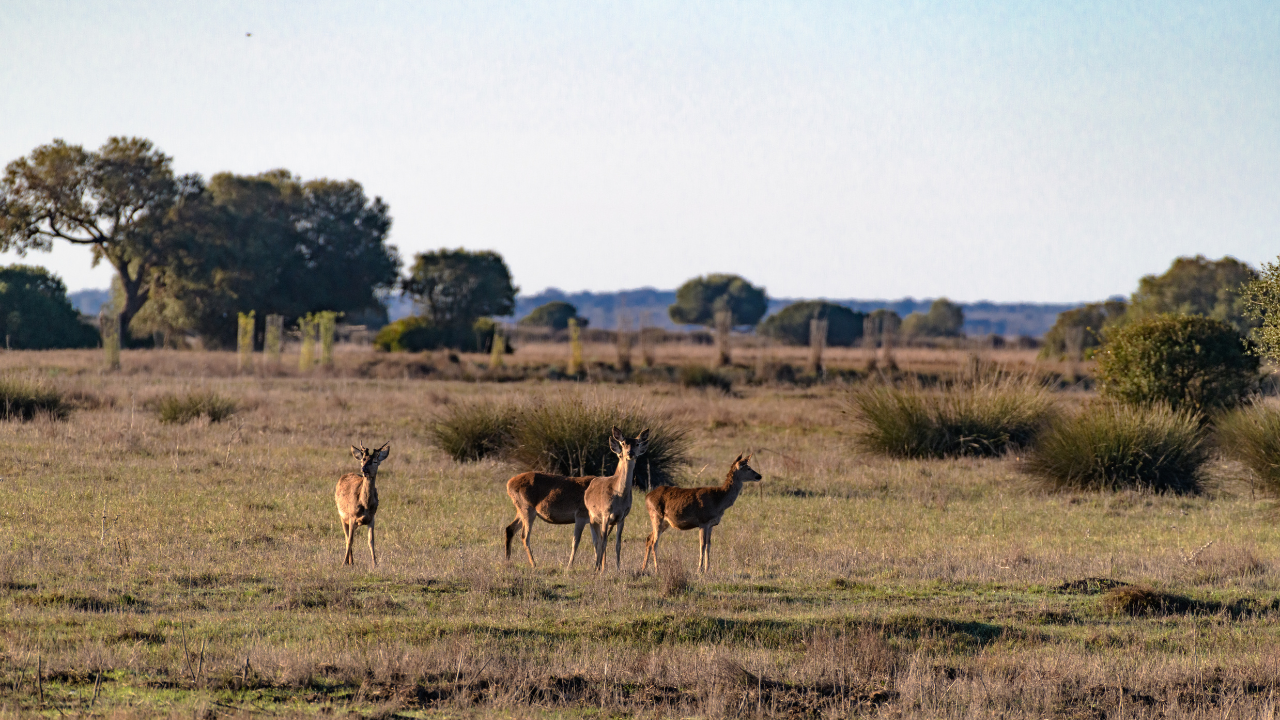
Australia’s approach to wildlife and pest management is increasingly complex. What was once framed as a largely technical or ecological challenge now sits firmly at the intersection of environmenta...
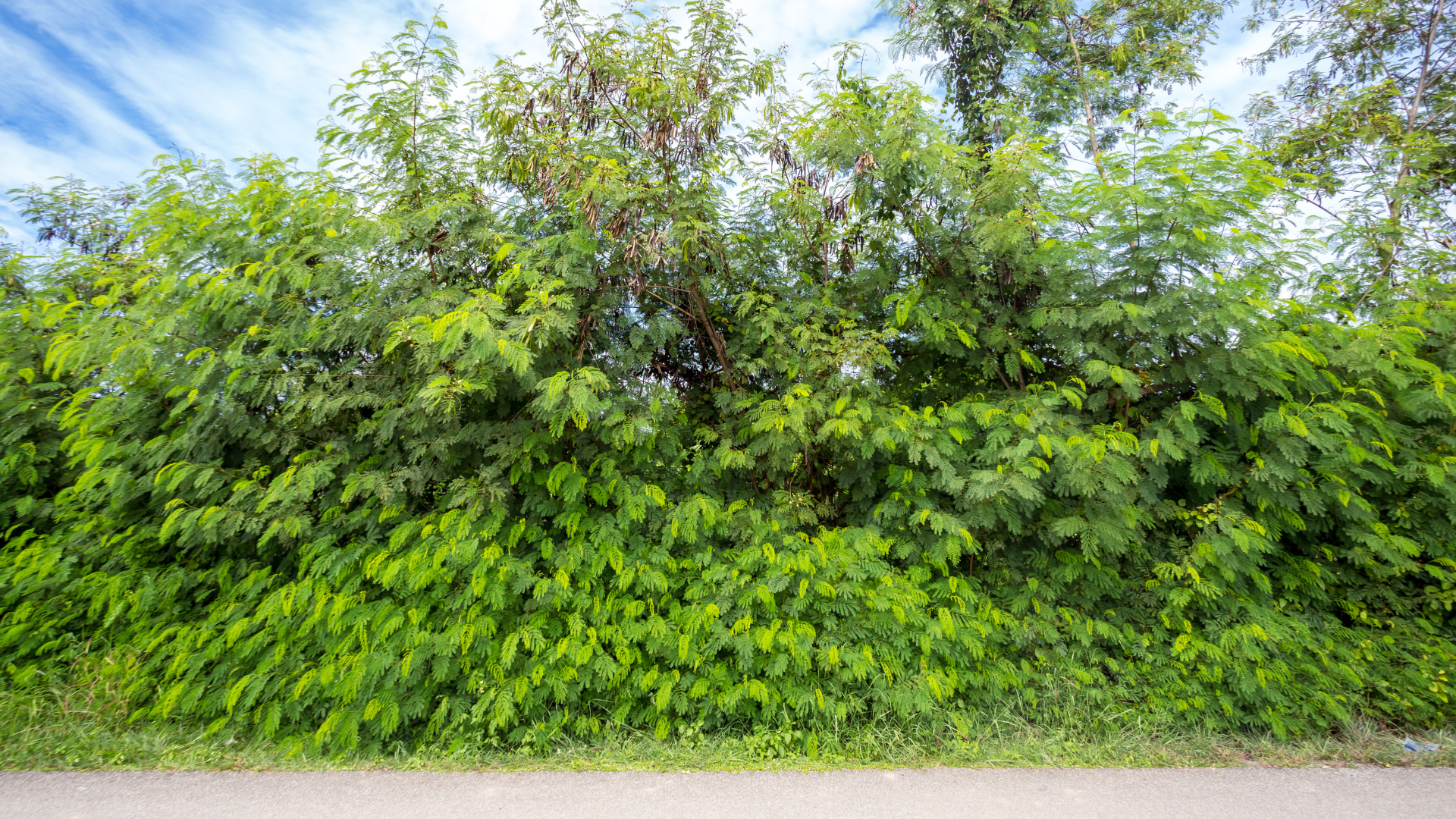
Leucaena leucocephala: Weed Hygiene Case Study
Australia’s transport corridors are not just conduits for commerce—they are vectors for biological change. Leucaena leucocephala, valued as a forage crop, also threatens to invade new environments ...
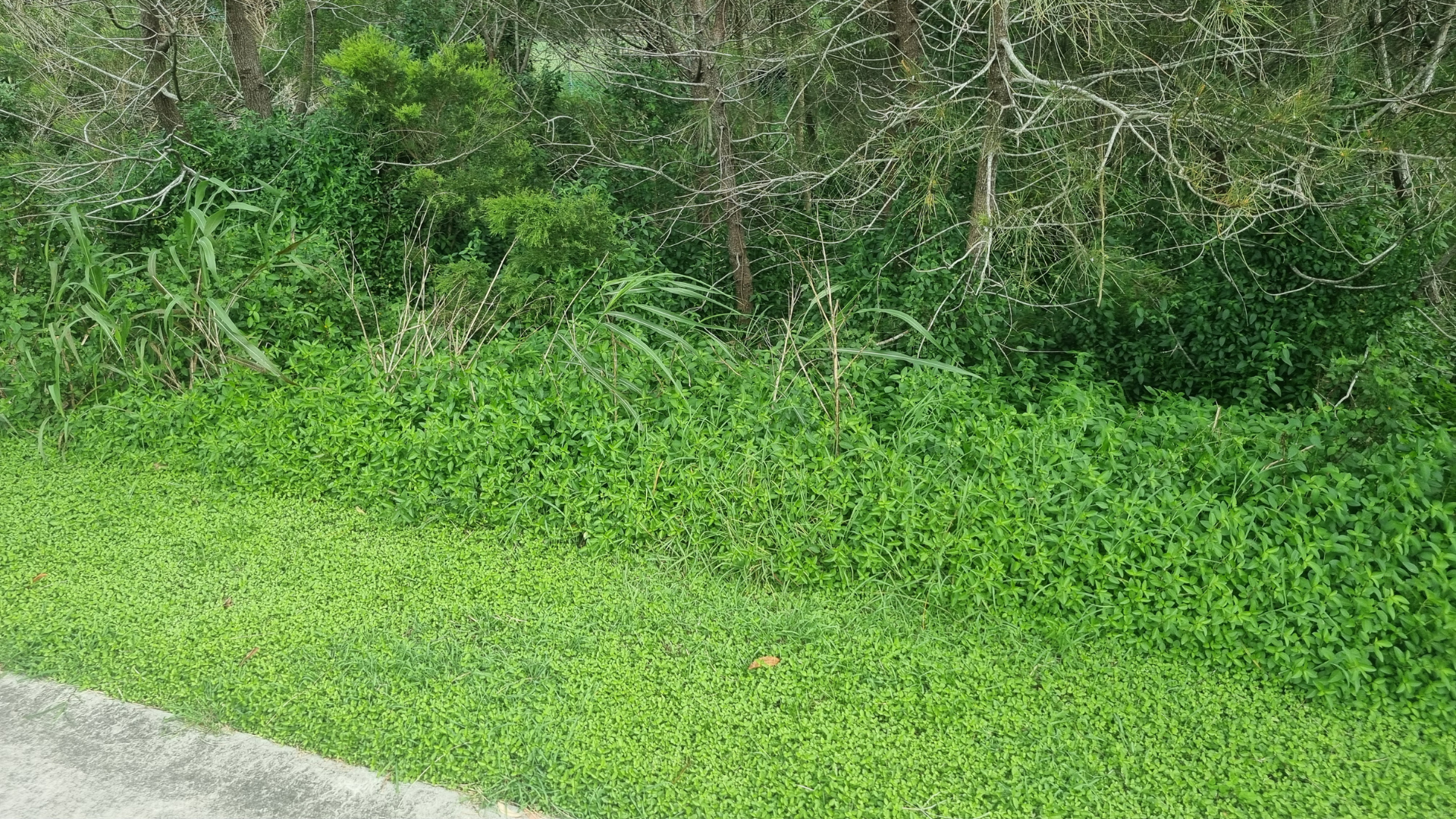
Dyschoriste depressa Weed Hygiene Case Study
Australia’s extensive transport infrastructure traverses not just farmland but wetlands, forests, and urban edges. This diversity is matched by emerging weed threats such as Dyschoriste nagchana, (...
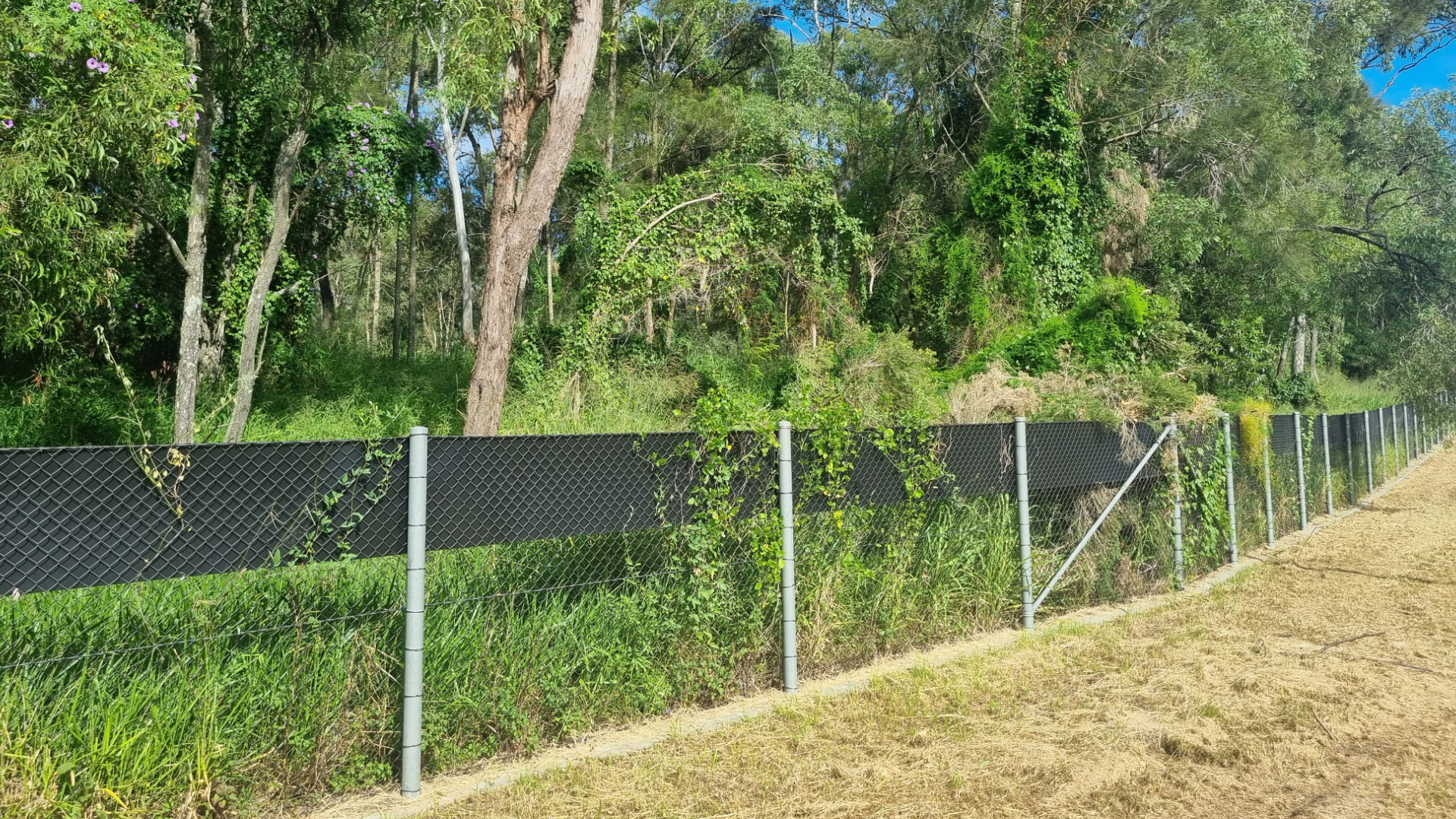
Economic Barriers to Effective Weed Control in Australia
Weed management is a persistent and complex challenge for Australian land managers. Weeds cost the Australian economy billions each year through reduced crop yields, increased management expenses, ...
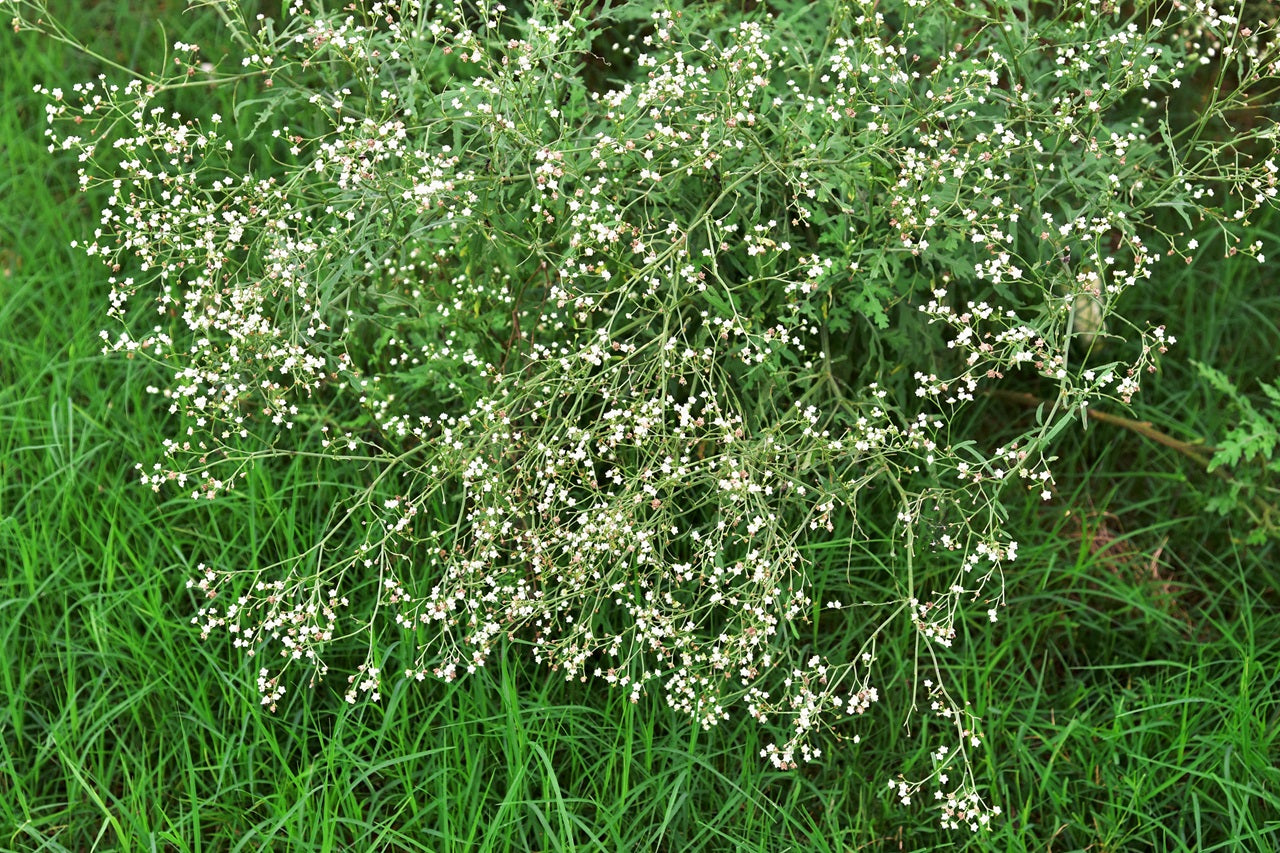
Case Study: Parthenium Weed Hygiene
Australia’s vast expanses and diverse land uses, from grazing pastures and cropping zones to natural bushland and urban corridors are uniquely bisected by some of the world’s longest road and rail ...