

Content

Selecting Herbicides Within an Integrated Vegetation Management Program
Effective herbicide selection begins long before a product is chosen. Within an Integrated Vegetation Management (IVM) program, herbicides are selected to support clearly defined management objecti...

Poor Weed Control? Check More Than the Herbicide
Herbicide resistance occurs when a weed population can survive a herbicide that previously controlled it. Treatment failure simply means the herbicide did not deliver the expected result. The two s...
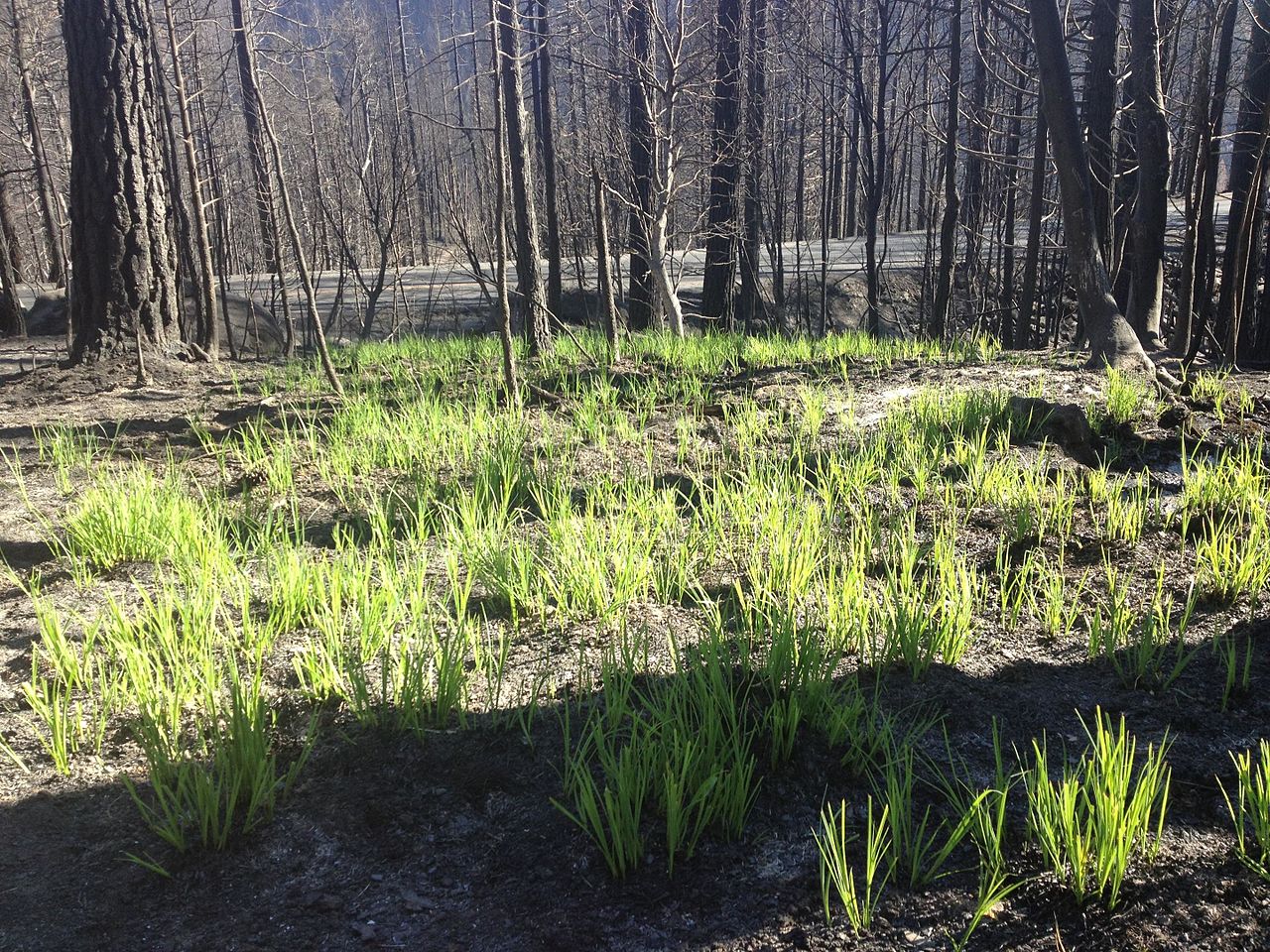
Rethinking Vegetation Management: From Compliance to Condition
This article summarises key insights from a presentation delivered in April 2026 by Professor Lawrence J. Kahn, Distinguished Research Fellow at the Tulane Center for Environmental Law and Director...

Solar Farm Vegetation Management: Moving from Reactive Control to Structured Integrated Programs
Over the past year we have spent time reviewing vegetation management approaches on a number of utility scale solar assets, especially those in high rainfall regions. One of the consistent observat...

Vegetation Management Reality on Large Infrastructure Networks
Across Australia many infrastructure corridors are managed using herbicide programs that have been in place for many years. Those programs were originally built around chemistries that delivered re...

One of the strongest arguments for Integrated Vegetation Management is not operational, it is governance based. In traditional reactive vegetation management models, decisions are often difficult t...

As Integrated Vegetation Management gains traction, one question consistently arises, how do we change contracting models without increasing risk or losing governance control. This concern is under...

Town Water pH in Australia and Its Impact on Weak Acid Herbicides
Australian vegetation managers often assume that town water is neutral and therefore suitable for spraying without adjustment. In practice, most municipal and regional water supplies are treated to...

Most vegetation programs are still built around activity delivery. Schedules, frequencies and response windows dominate decision making. While this approach can achieve short term compliance, it le...