

Content
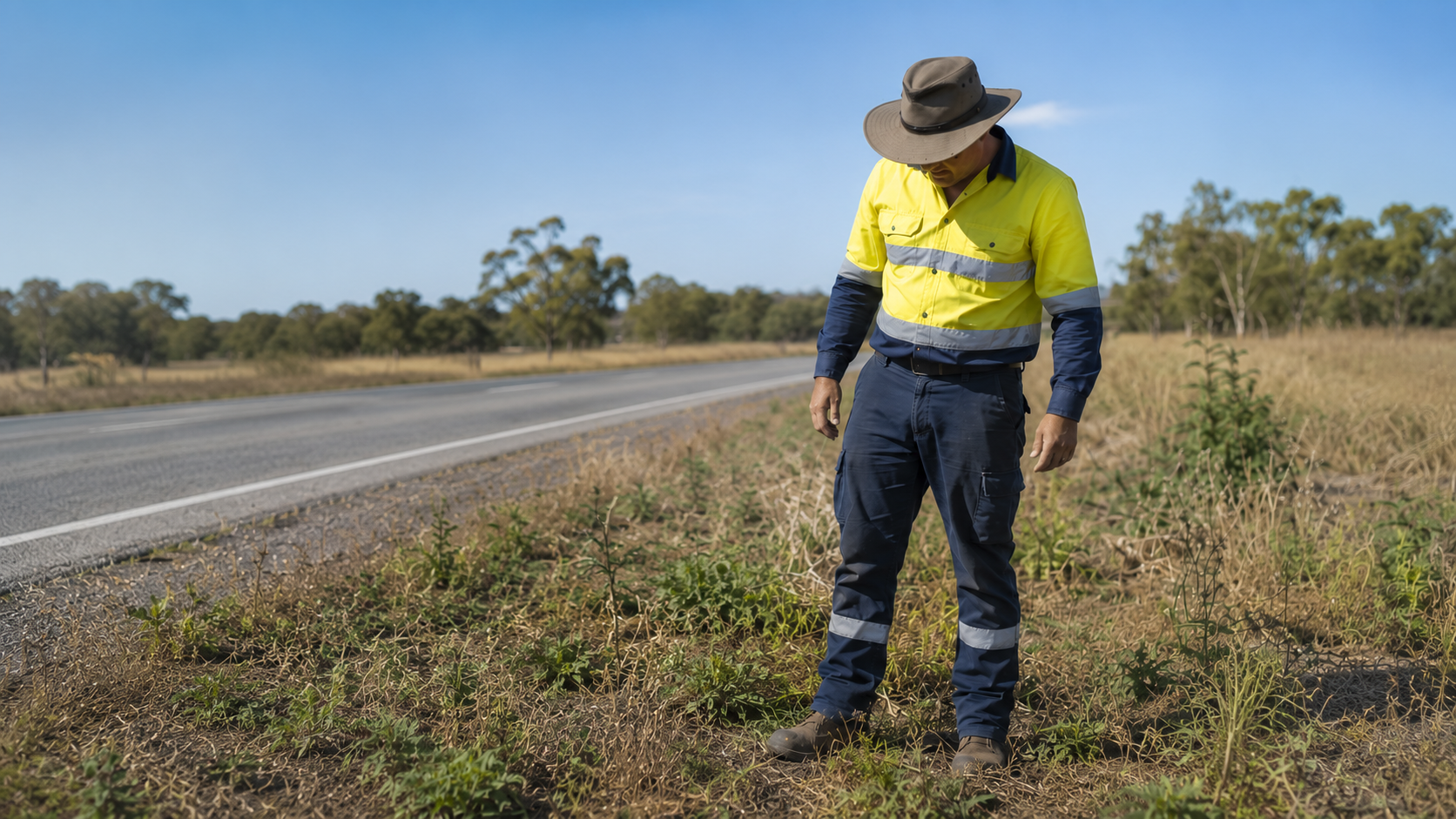
Poor Weed Control? Check More Than the Herbicide
Herbicide resistance occurs when a weed population can survive a herbicide that previously controlled it. Treatment failure simply means the herbicide did not deliver the expected result. The two s...
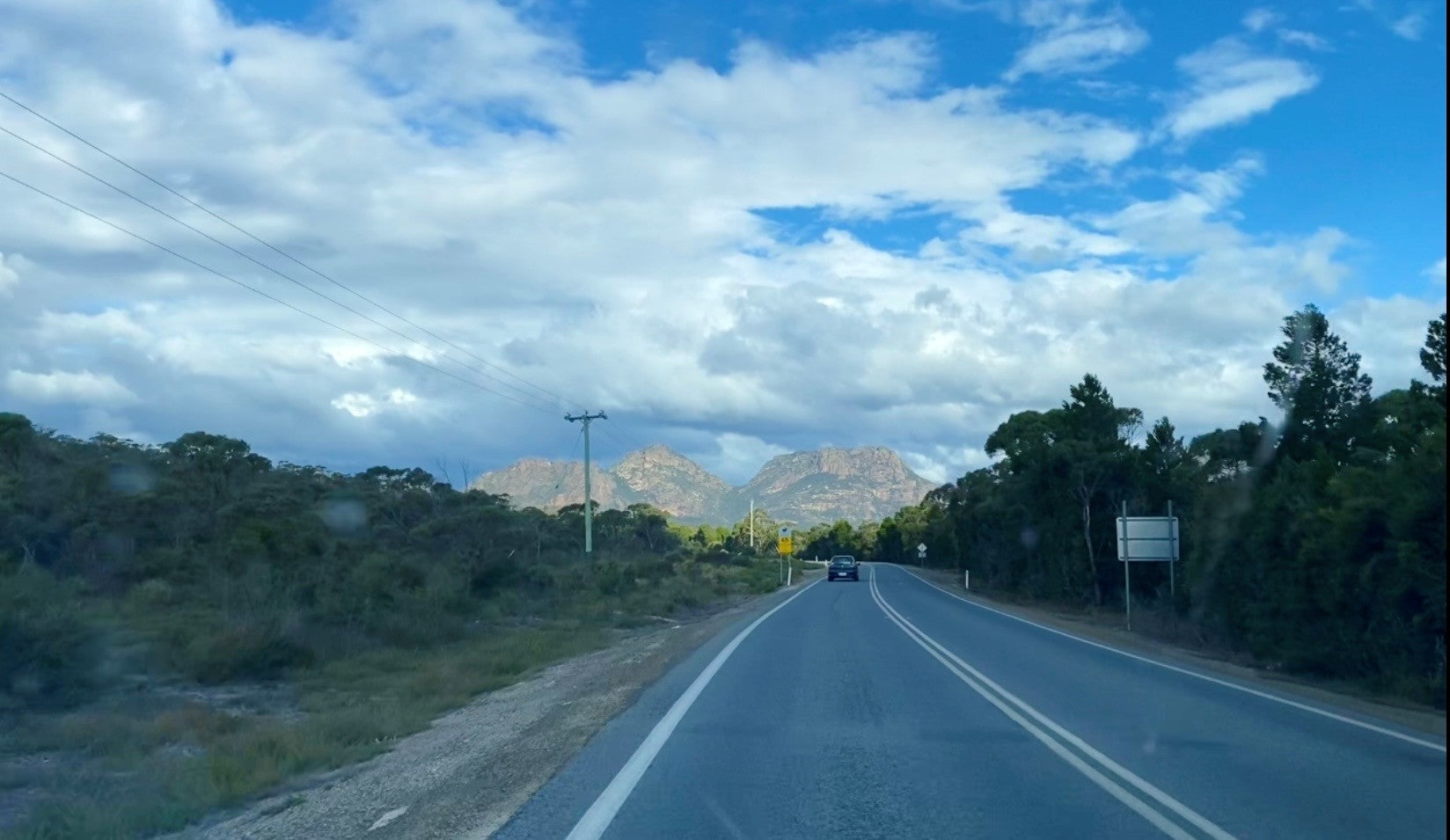
Integrated Vegetation Management in Rights-of-Way (Part 2)
Integrated Vegetation Management, fighting veg with veg Integrated Vegetation Management in Australian rights-of-way | Part 2 of 2 In simple terms, Integrated Vegetation Management (IVM) is the del...
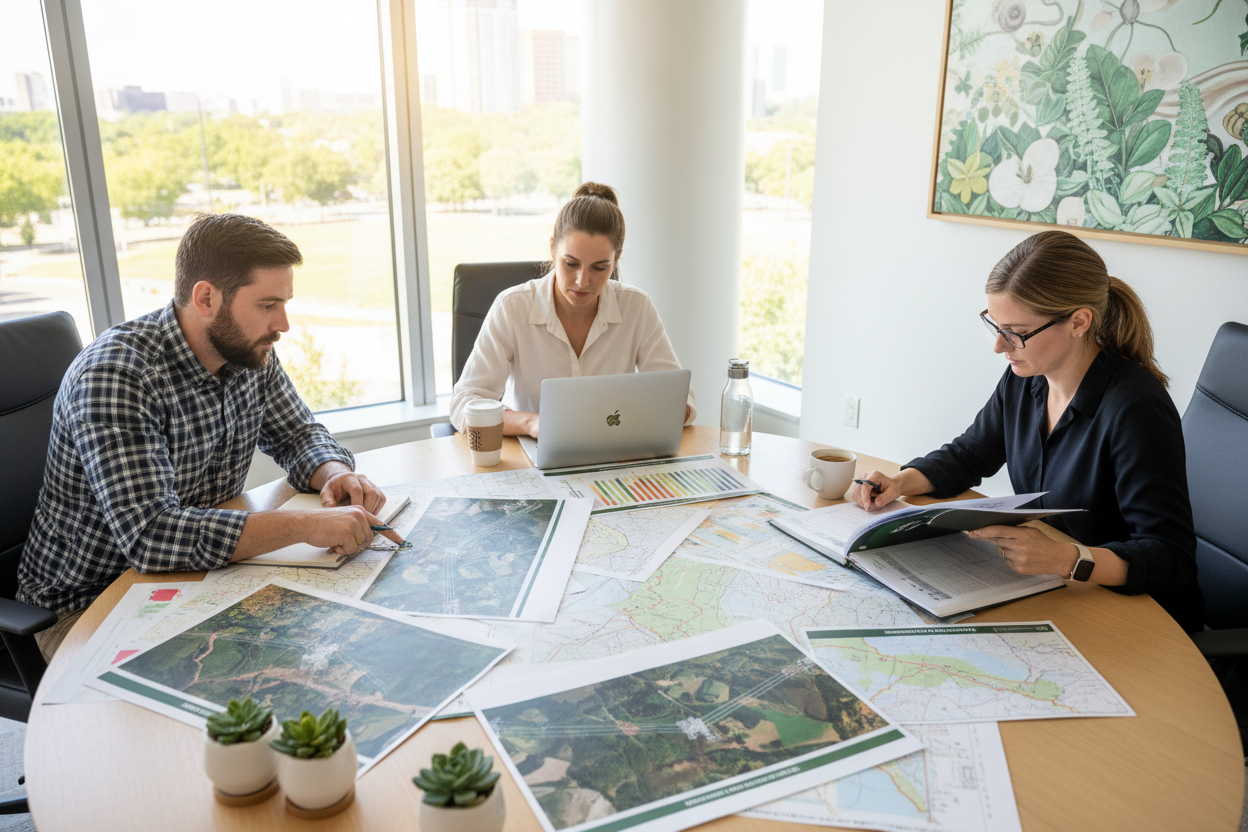
One of the strongest arguments for Integrated Vegetation Management is not operational, it is governance based. In traditional reactive vegetation management models, decisions are often difficult t...
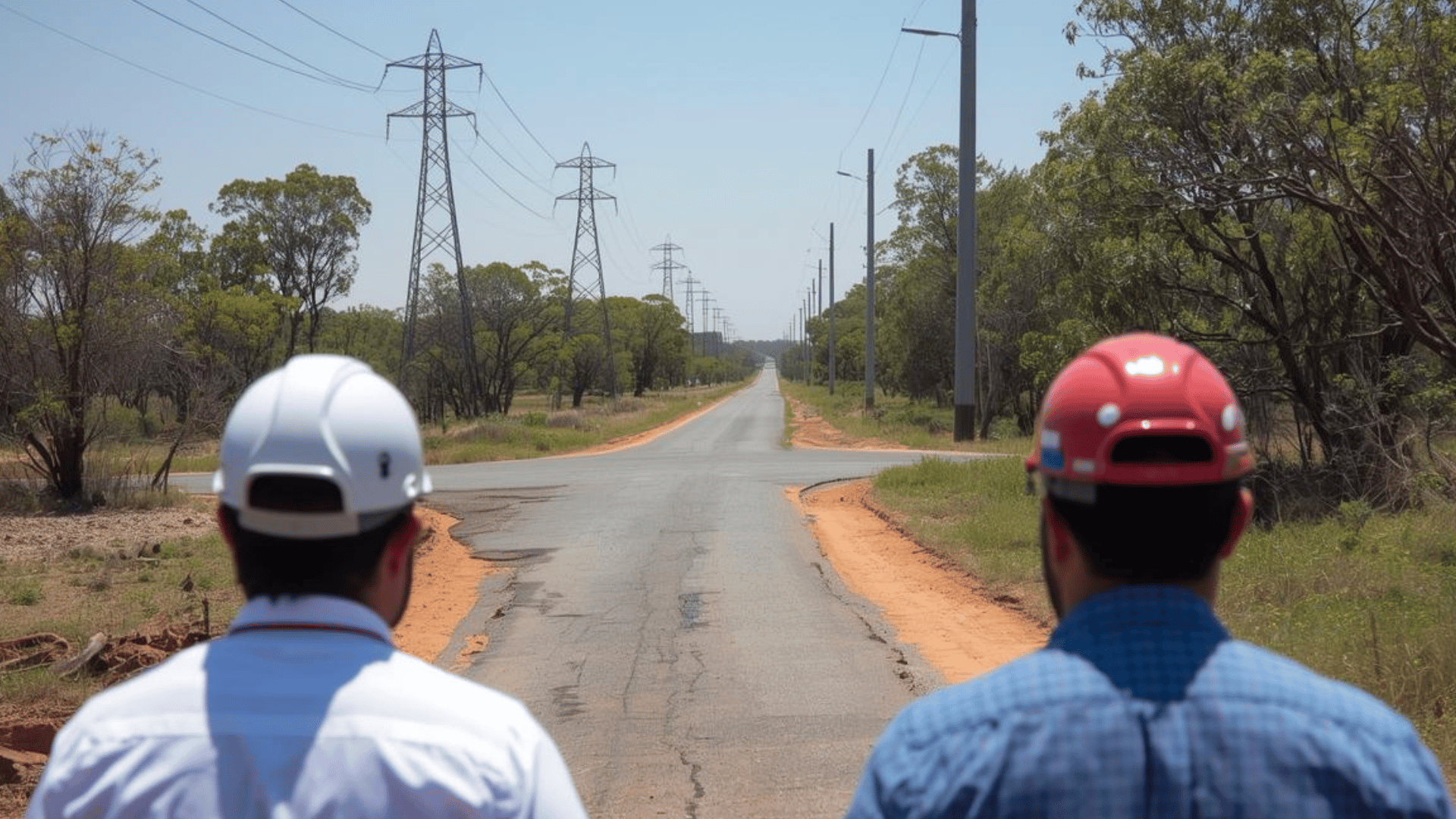
As Integrated Vegetation Management gains traction, one question consistently arises, how do we change contracting models without increasing risk or losing governance control. This concern is under...
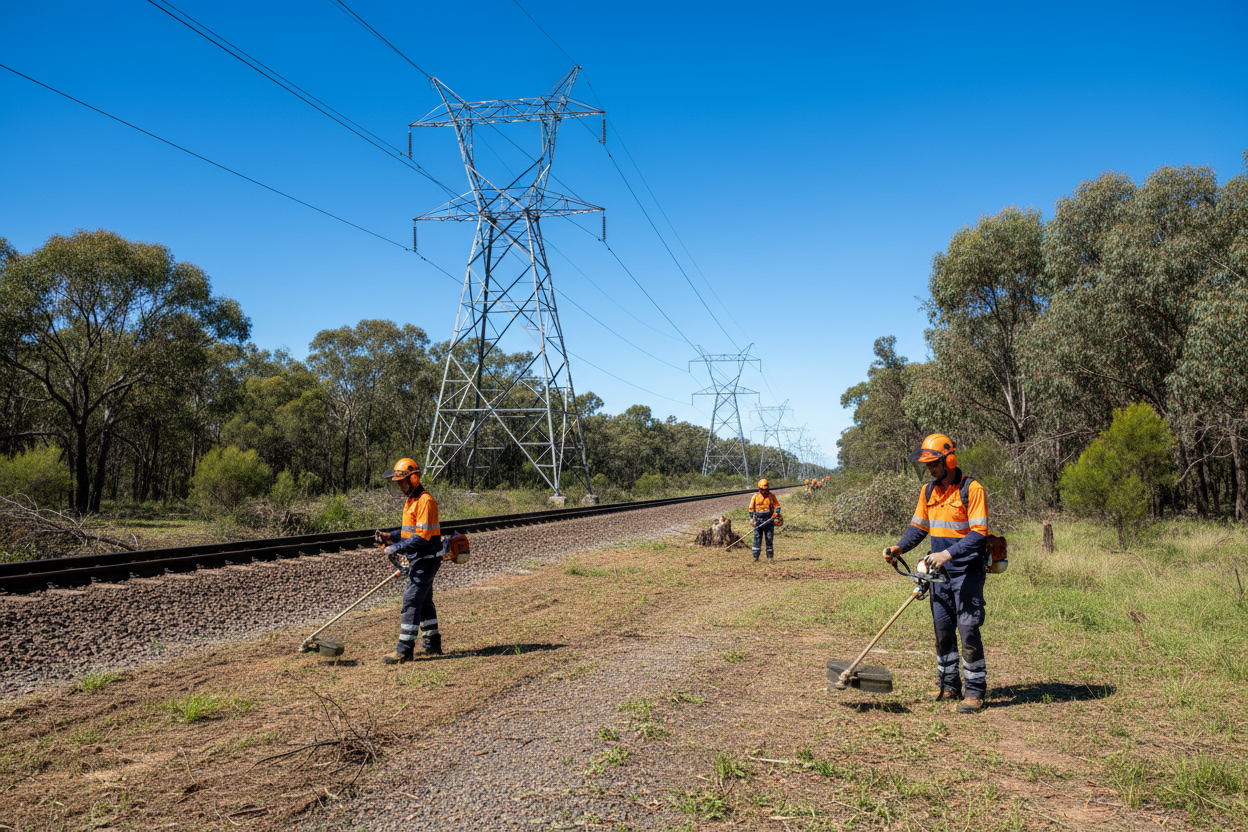
Across most linear infrastructure portfolios, vegetation risk is already being outsourced. Contractors carry day to day exposure, access challenges and delivery risk. However, asset owners and asse...

Most vegetation programs are still built around activity delivery. Schedules, frequencies and response windows dominate decision making. While this approach can achieve short term compliance, it le...
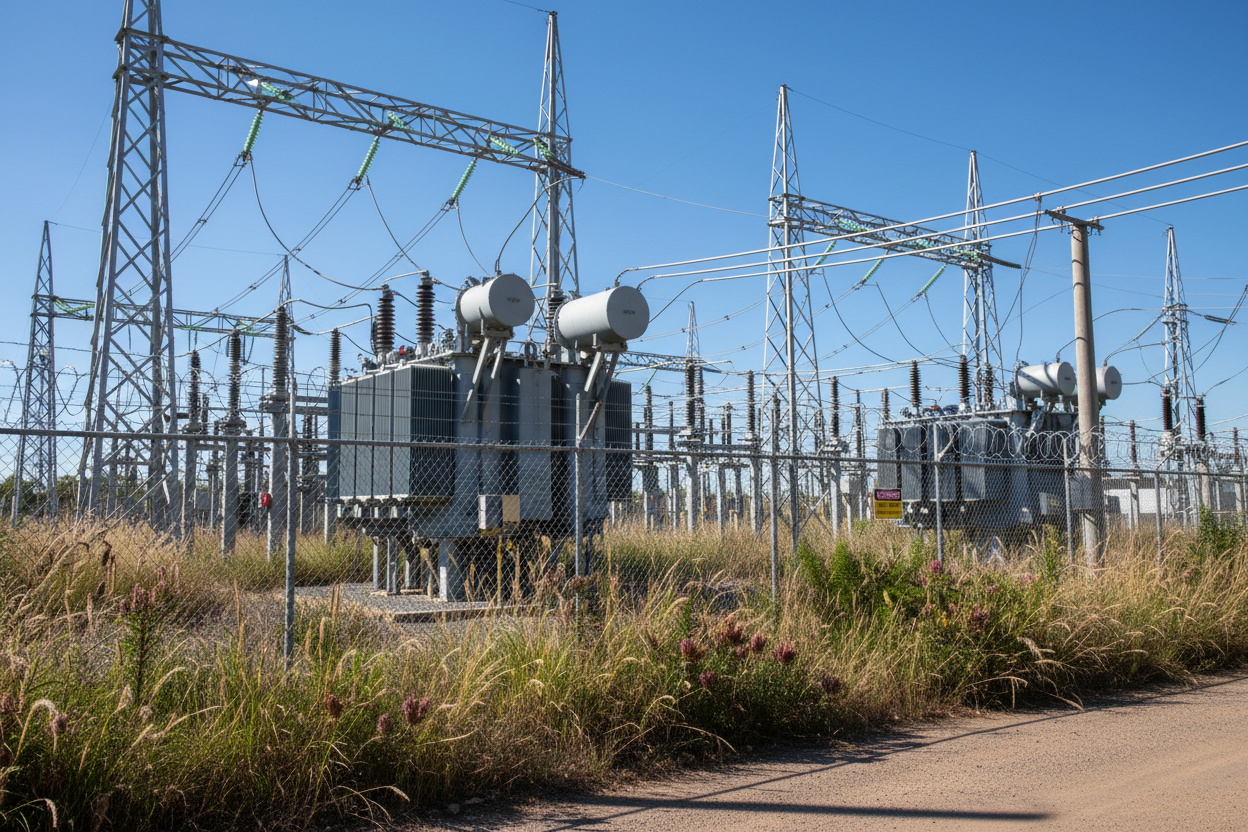
Doing More With Less | Integrated Vegetation Management Series 2026 Article 1
Vegetation management across infrastructure assets is becoming more complex, not less. Roads, rail, utilities, pipelines, renewables, substations and industrial assets are operating under tighter a...
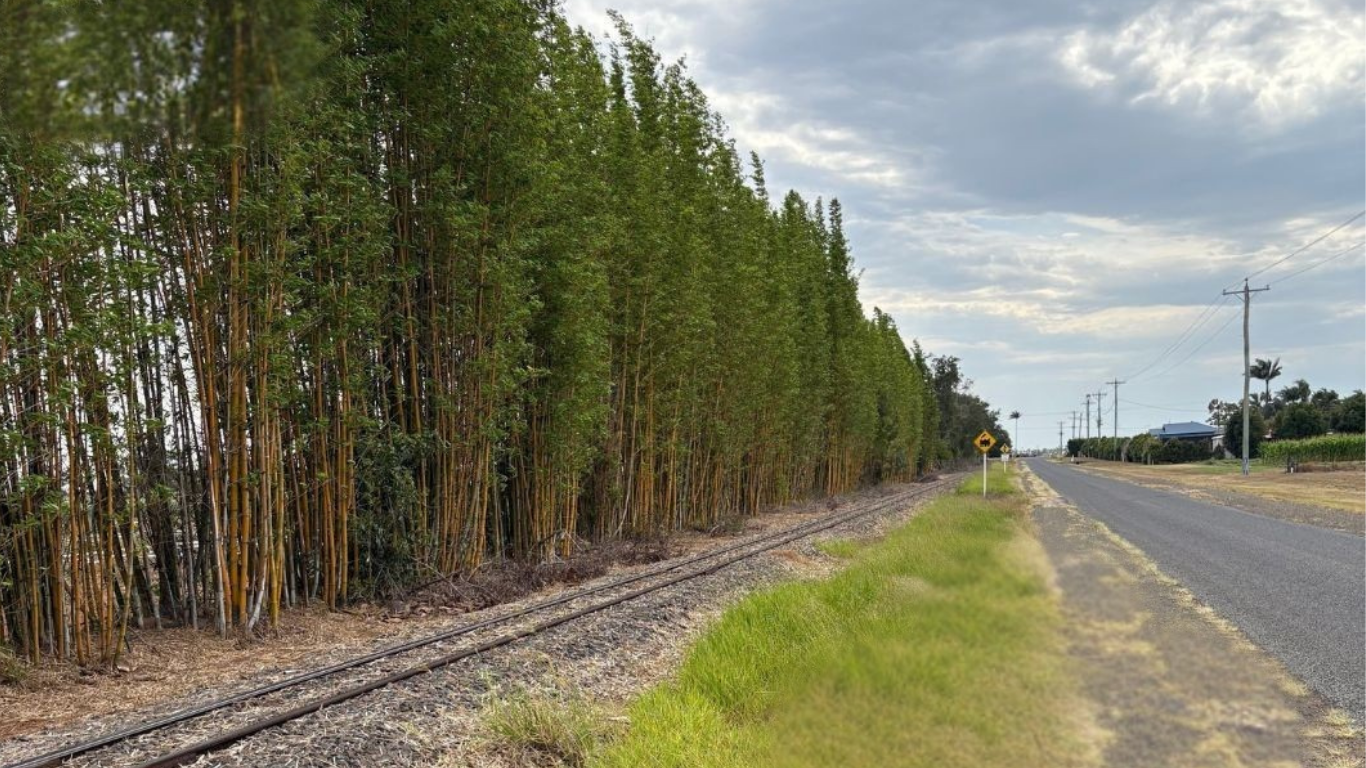
Smarter growth management with Padre 270 for linear infrastructure and managed vegetation zones
As Australia’s linear-infrastructure networks expand, there is increasing need for low-impact, reliable and cost-effective vegetation management strategies. Padre 270 provides a practical, research...
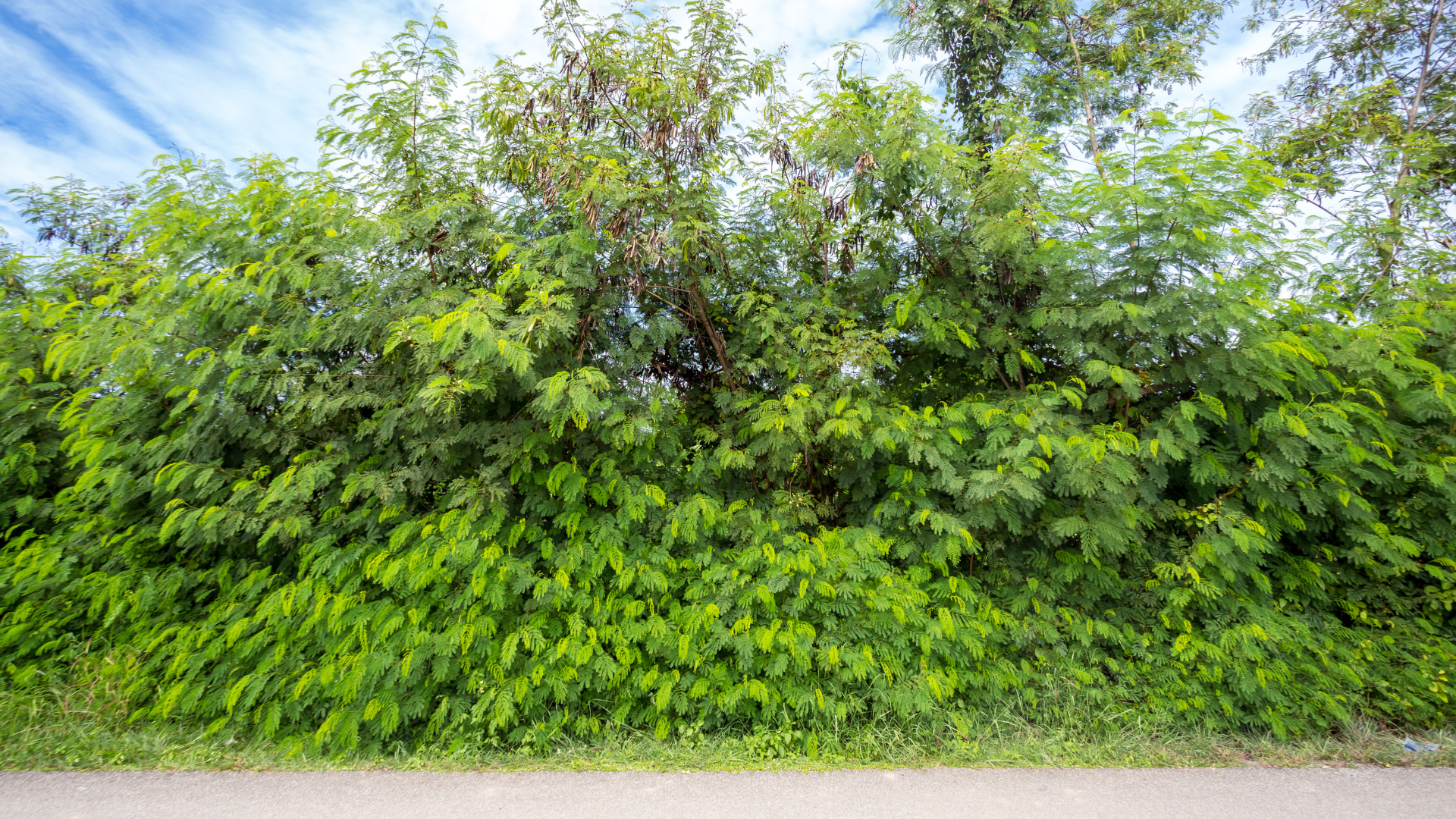
Leucaena leucocephala: Weed Hygiene Case Study
Australia’s transport corridors are not just conduits for commerce—they are vectors for biological change. Leucaena leucocephala, valued as a forage crop, also threatens to invade new environments ...