


Evidence, Governance and Defensible Vegetation Outcomes | Integrated Vegetation Management Series 2026 Article 5
One of the strongest arguments for Integrated Vegetation Management is not operational, it is governance based.
In traditional reactive vegetation management models, decisions are often difficult to defend. Interventions are triggered by visible growth or emerging risk, escalation follows, and justification is retrospective. When outcomes deteriorate, it can be difficult to explain why more work did not deliver more stability.
Outcome based IVM programs change this dynamic.
By defining outcomes, condition thresholds and risk triggers upfront, IVM creates a clear decision framework. Interventions occur because agreed conditions were met, not because someone decided to act. This distinction is critical under audit, regulatory review or incident investigation.
Evidence sits at the centre of this model.
Inspection led programs establish baseline condition and repeatable measurement. Trigger registers define thresholds and response pathways. Intervention records capture what was done, where and why. Performance dashboards track trends over time. Together, these elements create a coherent evidence trail.
This approach strengthens governance rather than weakening it.
For asset owners, it provides assurance that vegetation outcomes are being managed deliberately within an agreed risk appetite. For asset managers, it supports defensible decision making and reduces reliance on subjective judgement. For service providers, it clarifies expectations and reduces ambiguity around performance.
Importantly, evidence compounds over time.
As programs mature, trend data improves forecasting accuracy. Trigger thresholds are refined. Intervention frequency often reduces. Decisions become easier to justify, not harder, because they are supported by an expanding evidence base.
This is why organisations using Integrated Vegetation Management often report increased confidence even as intervention volumes decrease. Control improves because decisions are anchored to data rather than activity.
Integrated Vegetation Management does not eliminate uncertainty. What it does is reduce exposure to it and provide a framework for managing it transparently.
As this series has shown, moving from reactive escalation to proactive program design, deliberate risk management, and outcome based governance is not about doing more work. It is about doing better work, for the right reasons, at the right time.
If your organisation is seeking vegetation outcomes that are stable, defensible and aligned with long term asset performance, this is where Integrated Vegetation Management delivers its greatest value.

Additional content
VIEW GWS' ADDITIONAL CONTENT TO LEARN MORE ABOUT THE WEED INDUSTRY
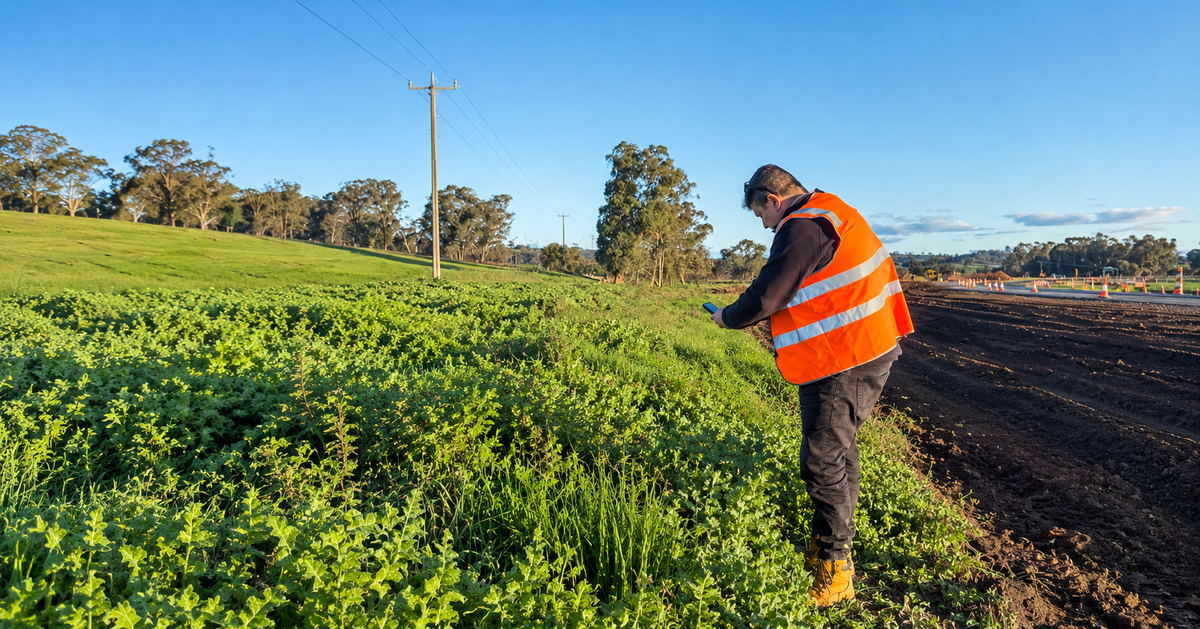
Selecting Herbicides Within an Integrated Vegetation Management Program
Effective herbicide selection begins long before a product is chosen. Within an Integrated Vegetation Management (IVM) program, herbicides are selected to support clearly defined management objecti...
Read more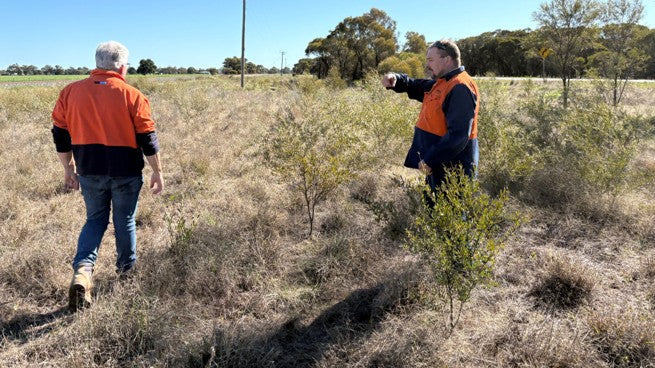
Integrated Vegetation Management: Managing Outcomes, Not Treatments
A vegetation program is not defined by how many times a crew sprays or mows. It is defined by whether the asset is safe, functional and being managed to an agreed standard over time. Integrated Veg...
Read more
Supply disruption is a chance to review, plan and rotate.
When a major product becomes unavailable, it creates an important moment for the industry to pause, review and adapt. The recent supply disruption affecting a key industrial residual herbicide is a...
Read more