

Smarter growth management with Padre 270 for linear infrastructure and managed vegetation zones
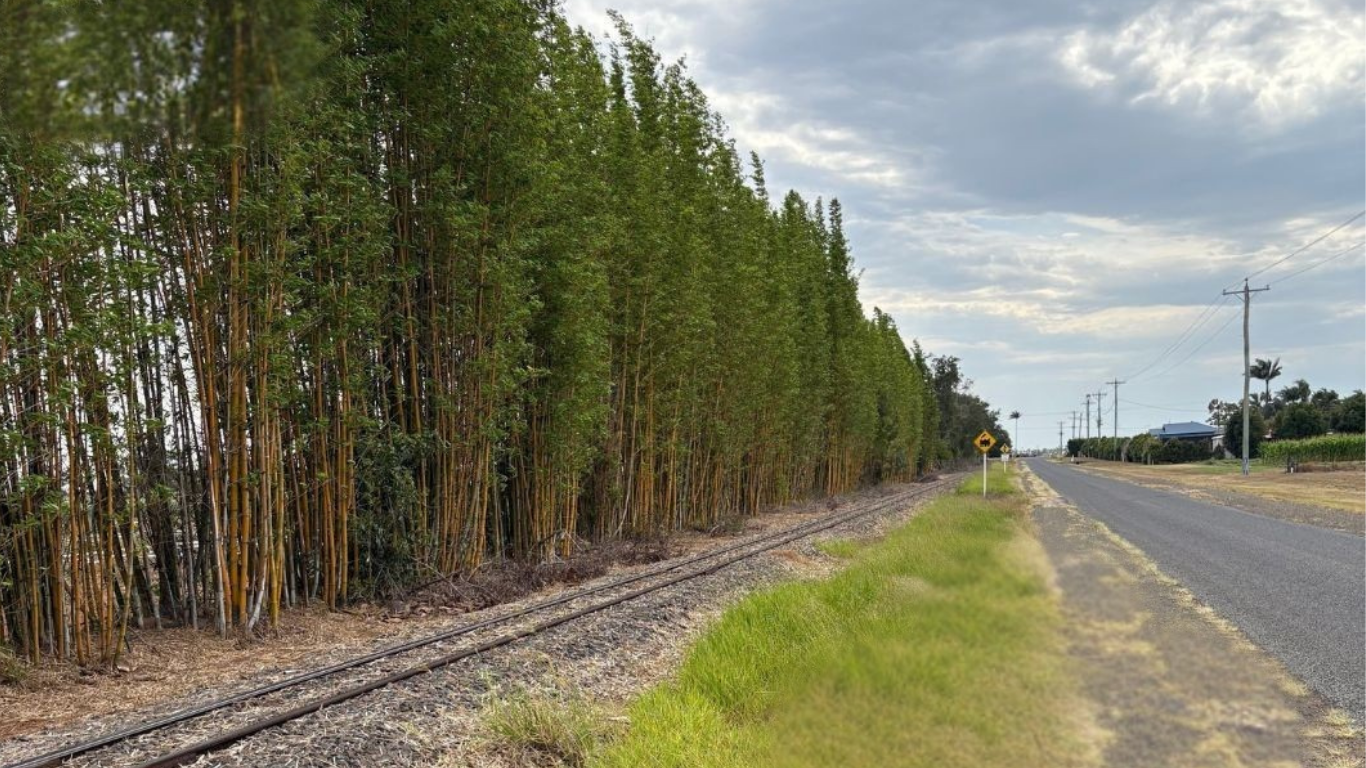
Padre 270, with maleic hydrazide as its active ingredient, is absorbed through the foliage and then moves systemically throughout the plant. It is specifically designed to slow the growth of vigorous grasses such as Kikuyu and Bahia grass in environments where vegetation must be retained but controlled. These include roadsides, rail corridors, transmission easements, gas pipelines, solar and wind generation sites, firebreaks, access tracks and managed vegetation zones. In these settings, repeated mowing or slashing creates ongoing cost, disruption and safety risks. Padre 270 offers a practical solution that has been extensively used for many years across North American roadside and utility vegetation management programmes.
Padre 270 is formulated to fit Australian conditions where councils, utilities and contractors need to maintain groundcover while reducing biomass pressure. The product supports predictable, low-impact vegetation management and helps reduce reliance on intensive mechanical operations.
How Padre 270 works
After absorption through the leaves, maleic hydrazide is translocated within the vascular system of the plant. It acts on rapidly dividing cells by slowing cell division, thereby reducing shoot elongation and suppressing seedhead development. Rather than producing height and excess biomass, treated grasses maintain density, cover and structural stability.
This mode of action supports longer maintenance intervals, reduces seedhead expression and delivers a more uniform vegetation presentation during peak growth periods. These outcomes are consistent with long-term performance reported in North American transportation and utility vegetation programmes.
Where Padre 270 fits within Australian vegetation management
Padre 270 performs best where vegetation needs to stay in place but requires controlled vertical growth to maintain access, safety and asset stability. Suitable applications include:
• roadsides, shoulders and median strips
• rail corridors and difficult-access embankments
• electrical transmission easements
• gas pipelines and associated access corridors
• solar farms, wind farms and renewable infrastructure
• industrial verges and non-crop areas
• steep batters that require vegetation cover for erosion control
• firebreaks where low, stable vegetation is preferred
• access tracks that must remain passable without exposing bare soil
• managed vegetation zones requiring consistent presentation without frequent mowing
In these environments, Padre 270 helps maintain a consistent sward, limits regrowth and reduces the need for repeated mechanical intervention.
Operational advantages of Padre 270
When applied to actively growing grasses, growth suppression typically lasts 12 to 16 weeks. This aligns with seasonal growth patterns and enables structured, predictable maintenance planning. Reduced mechanical intervention improves safety, especially on steep batters, narrow verges, confined corridors and high-speed interfaces.
Because Padre 270 regulates growth without burning foliage or removing cover, treated vegetation retains its root mass and soil protection. This is particularly important on slopes, firebreaks and managed vegetation zones where vegetation stability is essential to prevent slippage, erosion and washouts.
Programming considerations
Padre 270 should be applied to actively growing grass. Mowing should be avoided for at least twelve hours before and after treatment. Irrigation or rainfall should be avoided for twenty-four hours. Programmes can be repeated every eight to fourteen weeks depending on growth pressure and site conditions. Where broadleaf weeds are present, Padre 270 may be tank mixed with a compatible herbicide to improve overall vegetation performance.
Padre 270: a proven option for modern vegetation management
As Australia’s linear-infrastructure networks expand, there is increasing need for low-impact, reliable and cost-effective vegetation management strategies. Padre 270 provides a practical, research-supported approach that helps reduce mowing, stabilise vegetation and deliver safer, more sustainable outcomes. Its long-standing history in North America demonstrates its relevance and suitability for structured roadside, utility and managed vegetation programmes across Australia.

Additional content
VIEW GWS' ADDITIONAL CONTENT TO LEARN MORE ABOUT THE WEED INDUSTRY
Selecting Herbicides Within an Integrated Vegetation Management Program
Effective herbicide selection begins long before a product is chosen. Within an Integrated Vegetation Management (IVM) program, herbicides are selected to support clearly defined management objecti...
Read more
Integrated Vegetation Management: Managing Outcomes, Not Treatments
A vegetation program is not defined by how many times a crew sprays or mows. It is defined by whether the asset is safe, functional and being managed to an agreed standard over time. Integrated Veg...
Read more
Supply disruption is a chance to review, plan and rotate.
When a major product becomes unavailable, it creates an important moment for the industry to pause, review and adapt. The recent supply disruption affecting a key industrial residual herbicide is a...
Read more