


Proactive Program Design, The Missing Layer in Vegetation Management | Integrated Vegetation Management Series 2026 Article 2
In our first article, Doing More with Less we explored why reactive vegetation management models are struggling to deliver stable outcomes across linear infrastructure. Escalation cycles are familiar. More frequency, more cost, more risk, and diminishing confidence in long term control.
This second article focuses on what changes when vegetation management is designed proactively rather than triggered reactively.
Most vegetation programs are still built around activity delivery. Schedules, frequencies and response windows dominate decision making. While this approach can achieve short term compliance, it leaves little room to influence how vegetation behaves over time.
Proactive program design introduces a different layer of thinking.
Instead of starting with activities, proactive IVM programs start with outcomes. They define what stability looks like for a given asset, where risk originates, and which areas drive the majority of cost and exposure. Only then are tools and interventions selected and sequenced.
This shift matters because vegetation behaviour is predictable. Years of applied research and operational delivery show that growth response, regrowth pressure and species dominance are influenced by timing, disturbance and sequencing. When these factors are considered at the program level, intervention frequency can often be reduced without compromising control.
Proactive design also changes how effort is applied.
Rather than blanket frequency across entire corridors or sites, proactive programs prioritise effort where it has the greatest influence on future pressure. Condition and risk triggers replace fixed schedules. Evidence replaces assumption. Programs adapt as conditions change, rather than escalating by default.
For asset owners, this creates greater confidence. Long term outcomes become more predictable and lifecycle cost volatility reduces. For asset managers, proactive program design provides a defensible framework for decision making. For service providers, it creates an opportunity to differentiate through capability and program design rather than volume of activity.
Importantly, proactive program design does not require a wholesale reset. Many organisations transition through hybrid models, retaining baseline activities where necessary while introducing outcome measures and triggers in higher risk areas.
The key difference is intent. Reactive programs respond to pressure. Proactive programs are designed to reduce it.
If you are managing vegetation across complex or high consequence assets and finding that escalation is delivering diminishing returns, proactive program design may be the missing layer in your current approach.

Additional content
VIEW GWS' ADDITIONAL CONTENT TO LEARN MORE ABOUT THE WEED INDUSTRY
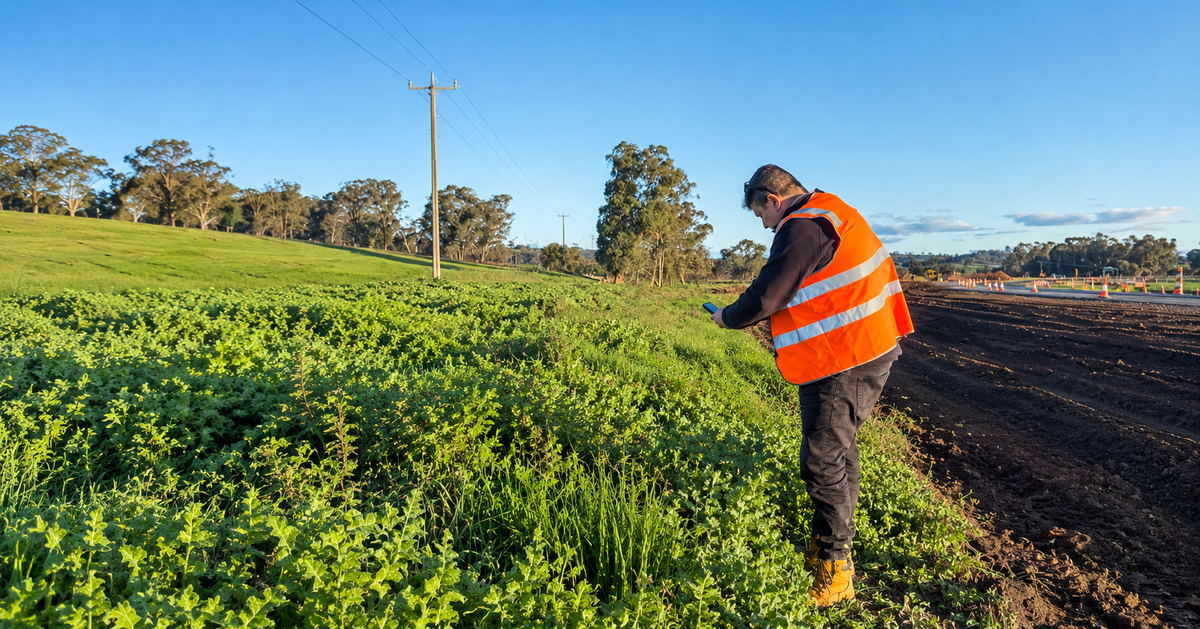
Selecting Herbicides Within an Integrated Vegetation Management Program
Effective herbicide selection begins long before a product is chosen. Within an Integrated Vegetation Management (IVM) program, herbicides are selected to support clearly defined management objecti...
Read more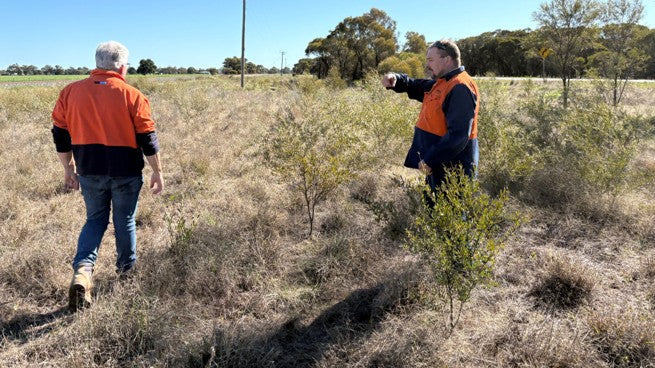
Integrated Vegetation Management: Managing Outcomes, Not Treatments
A vegetation program is not defined by how many times a crew sprays or mows. It is defined by whether the asset is safe, functional and being managed to an agreed standard over time. Integrated Veg...
Read more
Supply disruption is a chance to review, plan and rotate.
When a major product becomes unavailable, it creates an important moment for the industry to pause, review and adapt. The recent supply disruption affecting a key industrial residual herbicide is a...
Read more