

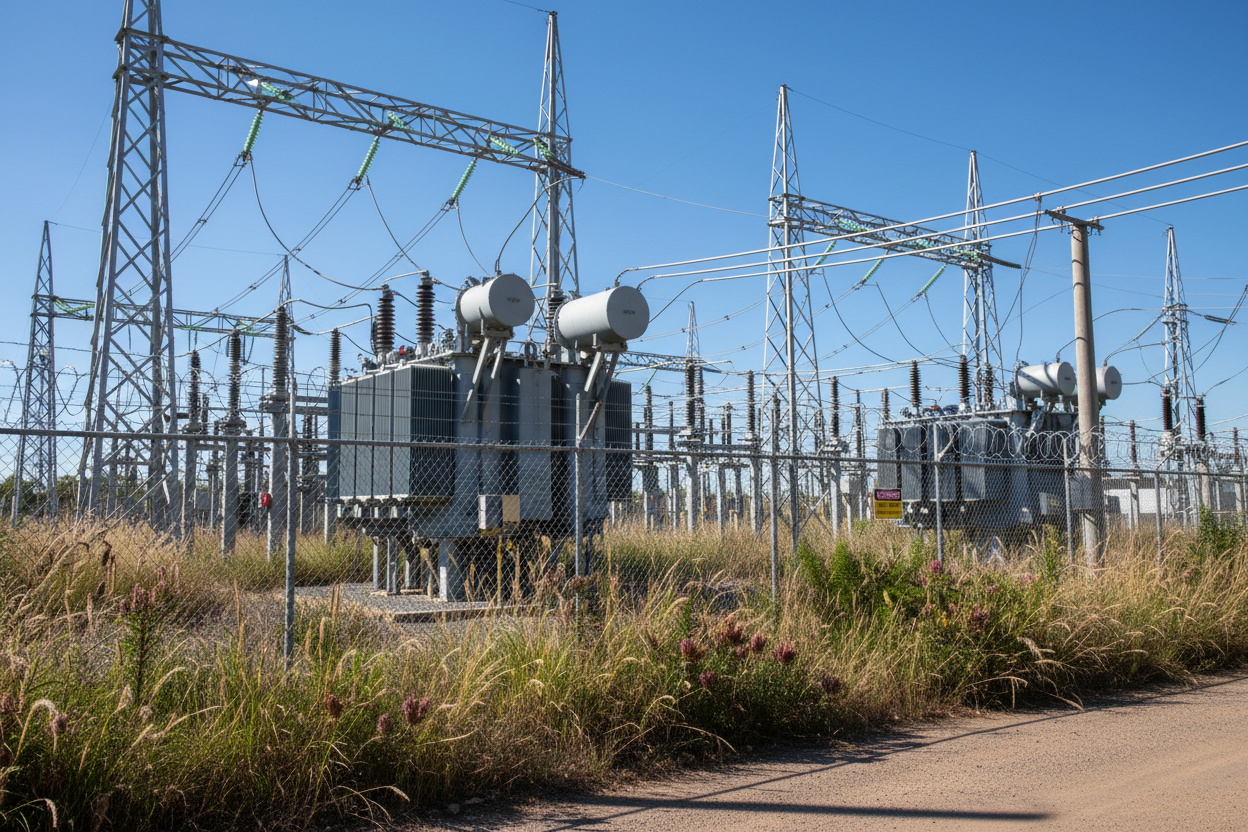
Doing More With Less | Integrated Vegetation Management Series 2026 Article 1
Vegetation management across infrastructure assets is becoming more complex, not less. Roads, rail, utilities, pipelines, renewables, substations and industrial assets are operating under tighter access windows, higher safety exposure, increased scrutiny and growing cost pressure.
The common response has been escalation. More mowing. More spraying. Higher frequency. More spend. While this can feel like control, it often results in greater instability. Cost volatility increases. Risk exposure rises. Confidence in long term outcomes declines.
This is not because asset owners, managers or service providers are not working hard enough. It is because traditional vegetation management models are reactive and activity driven. They are designed to respond to visible growth rather than influence vegetation behaviour over time.
Integrated Vegetation Management, or IVM, represents a proactive alternative.
IVM is not a product, a spray program or a mowing replacement. It is an outcome based operating ethos that defines how vegetation outcomes are designed, governed and delivered. The focus is on proactive program design that changes vegetation trajectory rather than repeatedly suppressing symptoms.
Years of applied research, field trials and operational programs have demonstrated that vegetation responds predictably to disturbance, timing and sequencing. Repeated disturbance selects for aggressive species and tolerance. Escalation shortens regrowth intervals and increases intervention frequency.
IVM works by designing programs that reduce future pressure rather than chase it. By applying the right tools, at the right time, in the right place, intervention frequency can be reduced while outcomes improve. Fewer interventions deliver lower lifecycle cost, reduced volatility and less safety exposure.
Importantly, IVM is already operating in practice across multiple asset classes. The discussion is no longer whether this approach works, but how deliberately it is adopted and governed.
For asset owners, IVM delivers improved service reliability and lower long term cost. For asset managers, it provides defensible, evidence based decision making and improved forecasting. For service providers, it creates an opportunity to differentiate through capability rather than volume.
If you are facing rising cost volatility, increasing risk exposure or diminishing confidence in vegetation outcomes, it may be time to look beyond reactive escalation. Integrated Vegetation Management is about better program design, not more effort.

Additional content
VIEW GWS' ADDITIONAL CONTENT TO LEARN MORE ABOUT THE WEED INDUSTRY
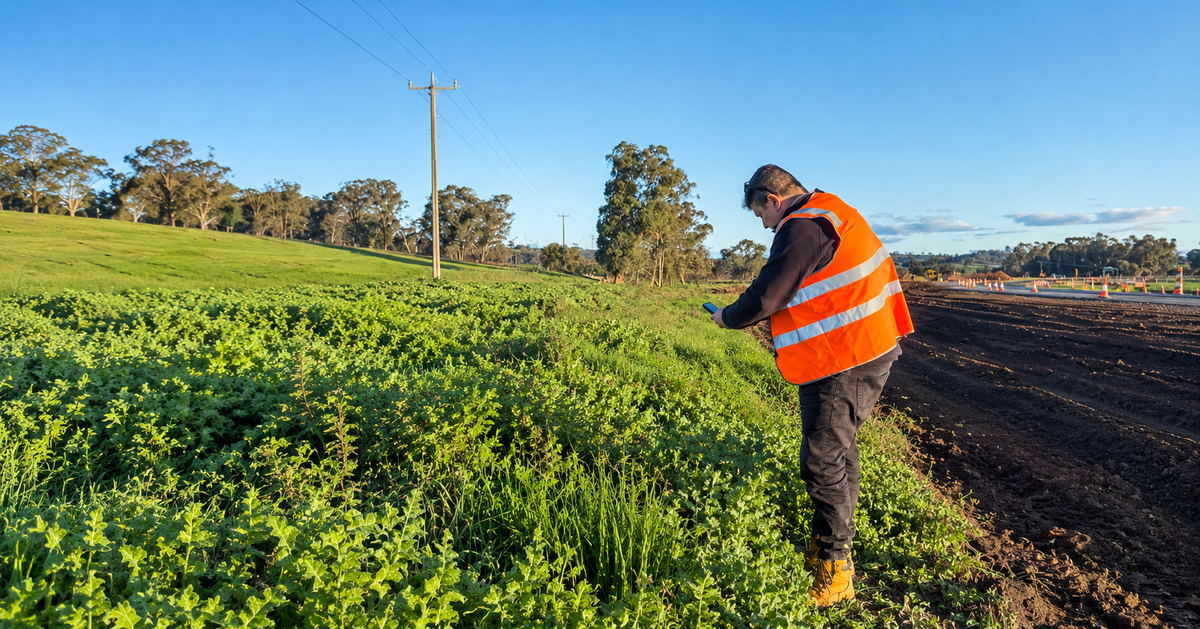
Selecting Herbicides Within an Integrated Vegetation Management Program
Effective herbicide selection begins long before a product is chosen. Within an Integrated Vegetation Management (IVM) program, herbicides are selected to support clearly defined management objecti...
Read more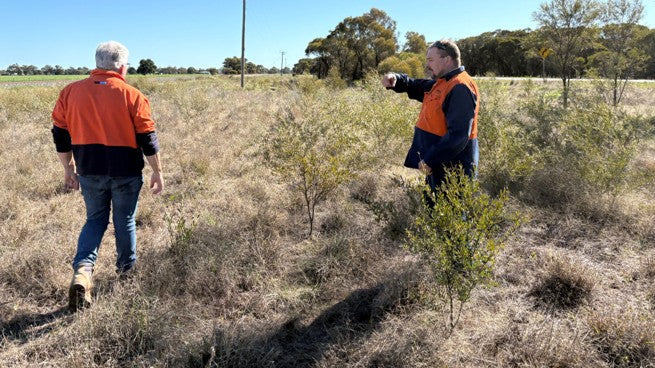
Integrated Vegetation Management: Managing Outcomes, Not Treatments
A vegetation program is not defined by how many times a crew sprays or mows. It is defined by whether the asset is safe, functional and being managed to an agreed standard over time. Integrated Veg...
Read more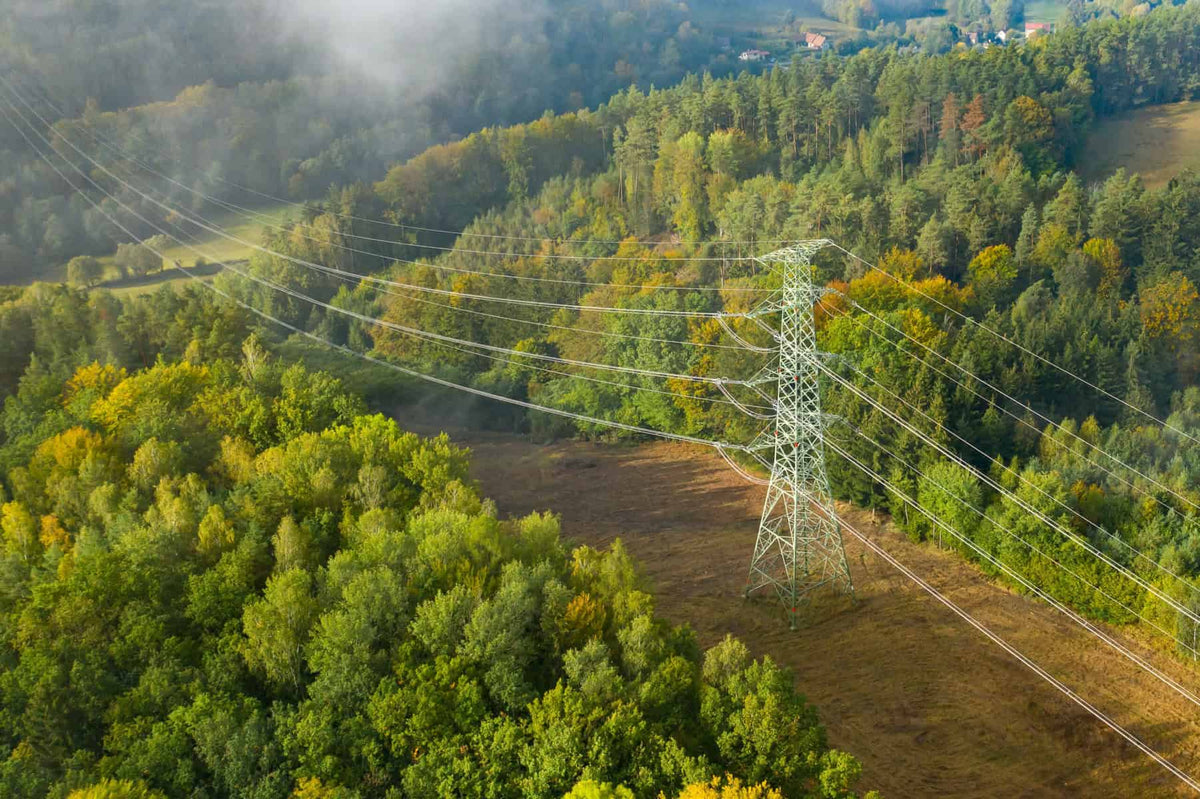
Supply disruption is a chance to review, plan and rotate.
When a major product becomes unavailable, it creates an important moment for the industry to pause, review and adapt. The recent supply disruption affecting a key industrial residual herbicide is a...
Read more