

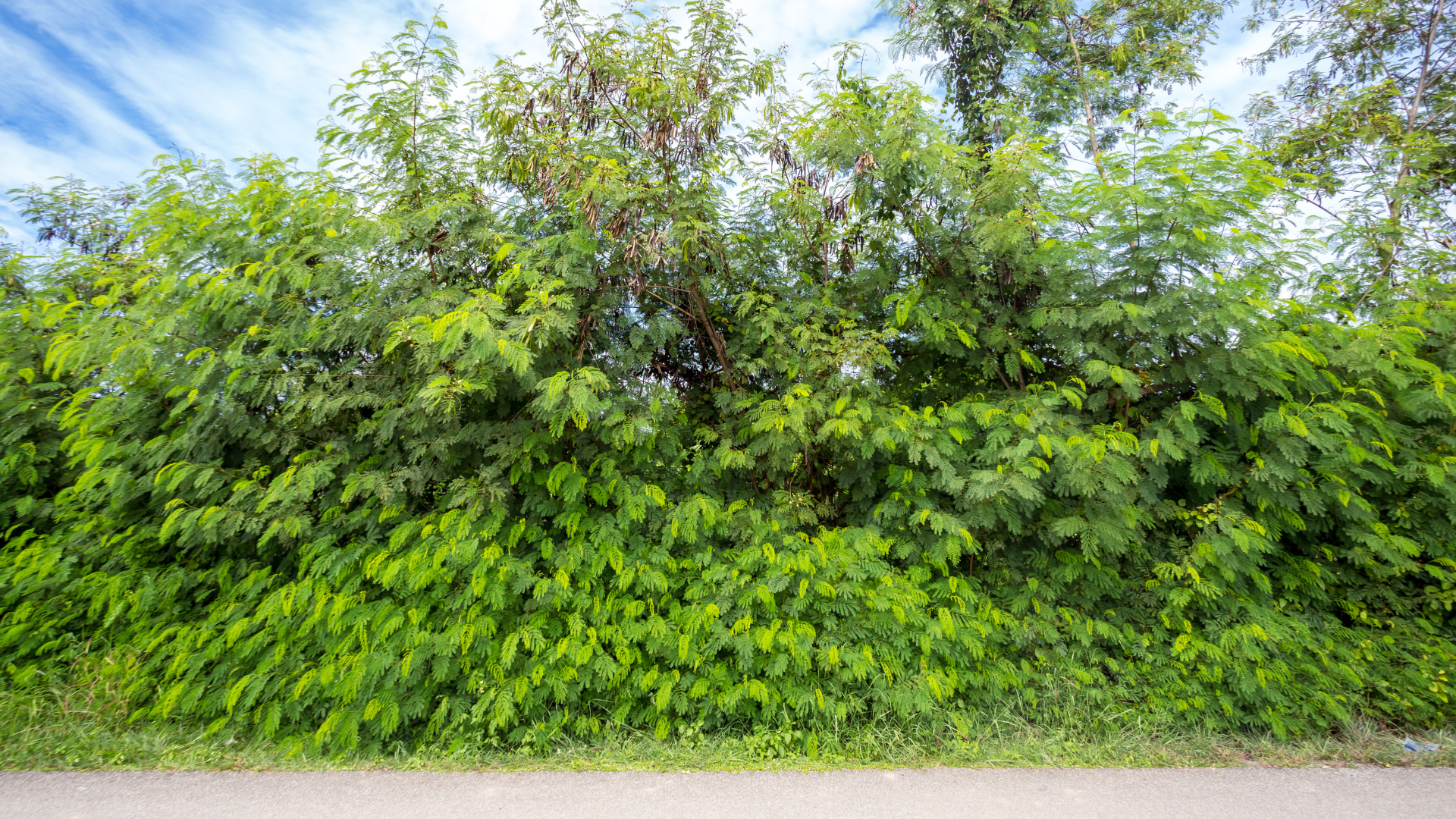
Leucaena leucocephala: Weed Hygiene Case Study
Introduction: Managing Multipurpose Species in a Transport-Driven Landscape
Australia’s transport corridors are not just conduits for commerce—they are vectors for biological change. Leucaena leucocephala, valued as a forage crop, also threatens to invade new environments as seeds disperse widely, often via road and rail systems that cross boundaries of land use and ownership.
The management of Leucaena exemplifies the challenge of balancing agricultural benefits with biosecurity risks in an interconnected landscape.
Leucaena leucocephala: Overview and Impacts
Since the early 1970s, Leucaena a native of Central America, has been widely planted for cattle feed and soil improvement in Queensland. Leucaena is very hardy adapting to a wide range of disturbed environments and produces highly prolific windborne seeds that assist in dispersal making it a valued pasture improver for the cattle industry. Yet ungrazed and unmanaged, as is often the case through transport corridors, stands can spread rapidly and uncontrollably, resulting in:
Reduced primary productivity: While beneficial when cultivated for grazing, Leucaena is a weed in cropping areas. These areas are typically susceptible to the incursion of roadside weed invasion or vehicle contamination and present an additional challenge to landholders.
Environmental damage: Leucaena rapidly outcompetes native vegetation, alters fire regimes, and diminishes biodiversity, particularly in riparian zones and along disturbed transport corridors.
Infrastructure management: The rapid growth rate, general hardiness and production of prolific wind-borne seeds mean that Leucaena presents a serious challenge to land managers as it can restrict access to property and complicate land management near infrastructure.
Transport Networks as Vectors
Leucaena’s robust seeds are dispersed unintentionally by livestock, water, and, crucially, vehicles and machinery traversing Australia’s long transport routes. The movement of contaminated fodder, equipment, and soil along highways and railways accelerates its establishment far beyond intended planting sites and the disturbed environments along linear corridors are ideal colonisation sites if not managed carefully.
Buffer zones, regular monitoring, and vehicle wash-downs are essential at the interfaces of agricultural land and transport infrastructure. Without such measures, the connectivity provided by Australia’s networks can turn localised plantings into widescale infestations.
Leucaena in Queensland
Since it’s plantings in the late 1970s to this very day, Leucaena remains a highly valued forage crop in much of Queensland. It is estimated that over 100,000 hectares of Queensland's grazing industry is underpinned by this valuable crop. More recently though its rapidly expanding footprint outside of grazing areas has been scrutinised. Within the last 20 years leucaena has become a far more prominent along major transport corridors, forming dense thickets along traffic islands and verges, suggesting more needs to be done to strike a balance between the needs of primary producers and other land managers.
Control Measures and Legislative Responses
- Increasingly Codes of practice, industry accreditation, and local guidelines are being adopted to require landholders to prevent the spread of Leucaena onto neighbouring properties and public land, particularly via transport corridors. Legislative controls vary regionally, but best management now includes:
- Strict hygiene protocols for vehicles and equipment crossing land use boundaries.
- Cooperation between transport operators and landholders in monitoring and controlling outlier plants.
- Responsive legislation that balances economic and environmental priorities and adapts to new dispersal routes made possible by infrastructure.
Lessons Learned and Recommendations
Leucaena’s dual identity—as both asset and potential weed—reveals that:
- Responsible management must consider the role of transport networks in dispersal.
- Education and communication for those operating within and near road and rail corridors are crucial.
- Collaboration across sectors ensures the adoption of best practices and rapid response to new outbreaks.
- Legislation must evolve to reflect the realities of infrastructural connectivity, supporting both production and protection.
By embedding weed hygiene protocols at all levels of Australia’s transport network, Queensland can continue to benefit from primary production while protecting other industries and the natural environment from invasive threats.

Additional content
VIEW GWS' ADDITIONAL CONTENT TO LEARN MORE ABOUT THE WEED INDUSTRY
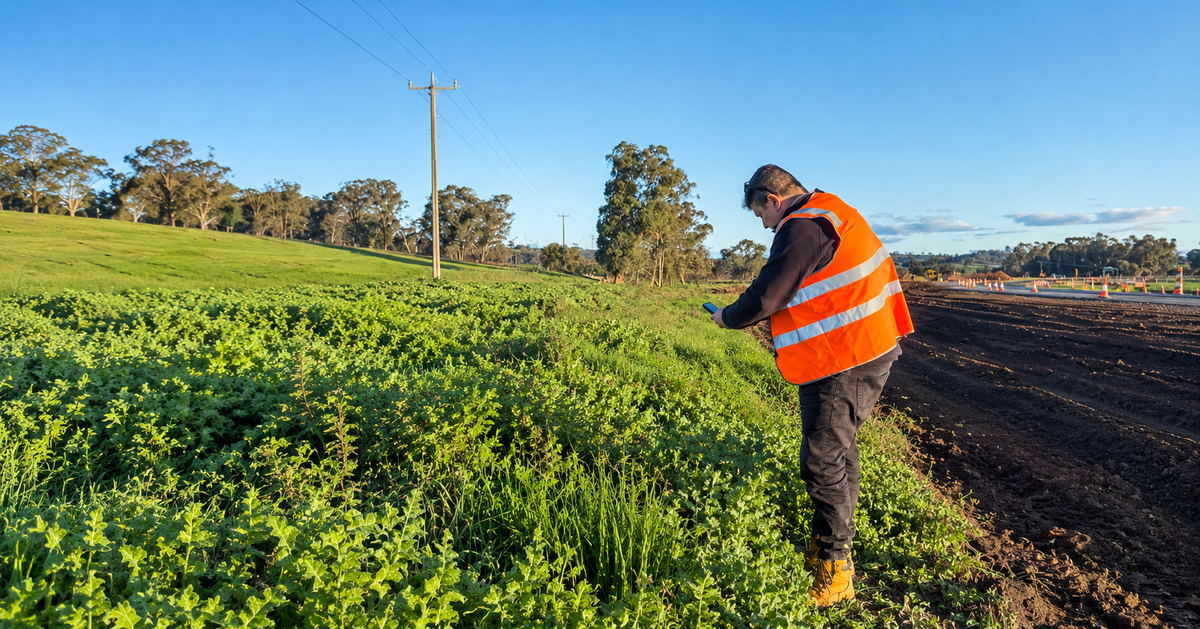
Selecting Herbicides Within an Integrated Vegetation Management Program
Effective herbicide selection begins long before a product is chosen. Within an Integrated Vegetation Management (IVM) program, herbicides are selected to support clearly defined management objecti...
Read more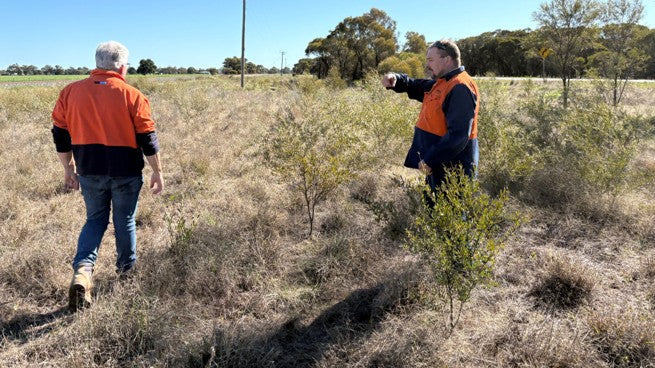
Integrated Vegetation Management: Managing Outcomes, Not Treatments
A vegetation program is not defined by how many times a crew sprays or mows. It is defined by whether the asset is safe, functional and being managed to an agreed standard over time. Integrated Veg...
Read more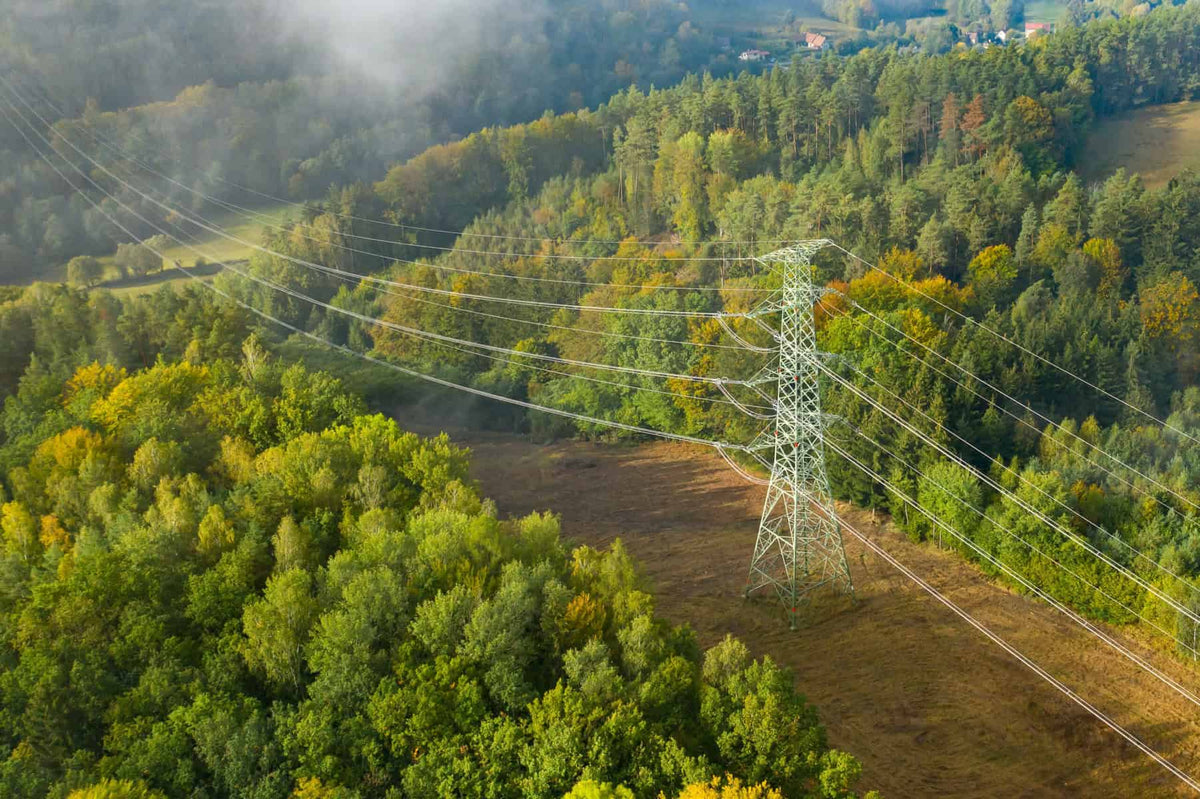
Supply disruption is a chance to review, plan and rotate.
When a major product becomes unavailable, it creates an important moment for the industry to pause, review and adapt. The recent supply disruption affecting a key industrial residual herbicide is a...
Read more