

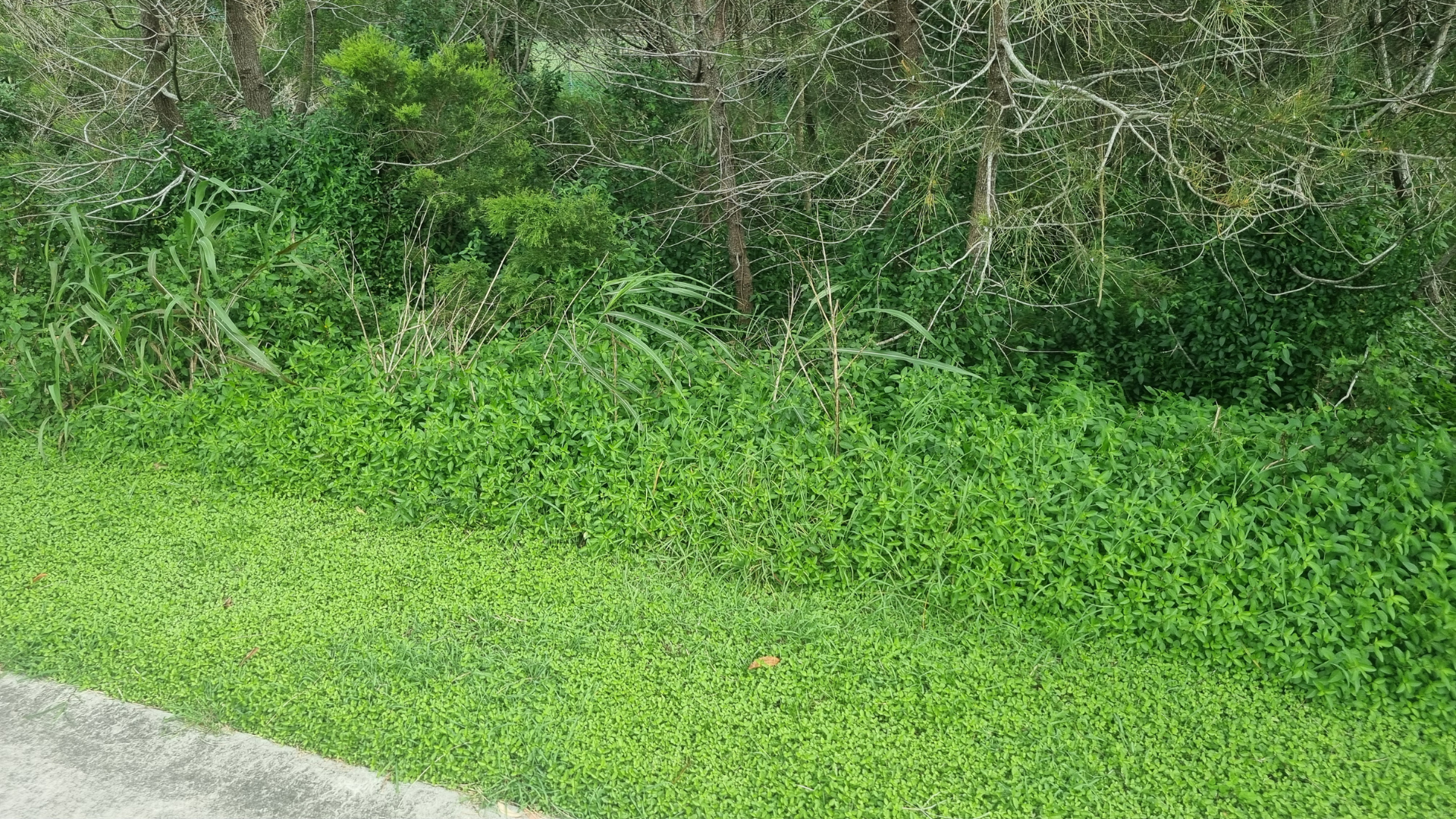
Dyschoriste depressa Weed Hygiene Case Study
Introduction: Hygiene and the Challenge of Emerging Weed Threats
Australia’s extensive transport infrastructure traverses not just farmland but wetlands, forests, and urban edges. This diversity is matched by emerging weed threats such as Dyschoriste nagchana, (formerly depressa) for which early intervention and robust hygiene are paramount. The ease with which seeds travel along hundreds of kilometres of open road and rail makes prevention and management a logistical challenge.
Hygiene management is not just a best practice; it is a necessity given how quickly new weeds can exploit these networks. Dyschoriste, though less infamous than Parthenium, offers a timely lesson in the importance of vigilance and coordinated response.
Dyschoriste: Overview and Impacts
Dyschoriste is a perennial herb from tropical America, began establishing itself in South-East Queensland’s pastures and along transport corridors. Containing sticky explosive seeds and the ability to reproduce by fragment, it is the ideal weed to exploit areas of high disturbance. Its impacts include:
- Economic: Reduces pasture productivity and increases costs for beef and dairy producers, especially when infestations are spread by vehicles and livestock moving via transport routes.
- Environmental: Outcompetes native groundcovers, reducing habitat quality and biodiversity, particularly along rail and road verges.
- Human Health: No direct documented effects, but dense stands can hinder land use and access, especially near infrastructure.
Transport Networks: Catalysts for Dispersal
Dyschoriste depressa is especially adept at exploiting road and rail corridors. Seeds attach easily to soil, machinery, and animals, spreading silently as vehicles traverse Queensland’s far-reaching networks. Mowing and slashing activities are significant contributors, however Construction, maintenance, and livestock transport also inadvertently shuttle seeds from infested sites to new regions. This makes the length and diversity of Australia’s infrastructure a primary catalyst for long-range dispersal.
The presence of Dyschoriste along transport routes is not accidental; frequent disturbance and movement create ideal conditions for establishment. Wash-down stations and awareness campaigns at strategic nodes are increasingly important, but rapid movement across land uses means even small infestations can become widespread quickly.
The South-East Queensland Experience
The history of Dyschoriste spread through South-East Queensland dates to April 2000, with its first recorded sighting in Taringa as an obscure and unknown ground cover. Within 10 years it had spread so aggressively it soon appeared in the three adjoining catchments and within a further 5 years, had established citywide.
Its explosive seeds, ability to reproduce vegetatively and adaptability to climatic extremes have successfully transported and established throughout mown vegetation in greater Brisbane and more recently, started to present as a serious threat in Natural areas and primary production pest.
This delay in recognition and response of the threat posed by Dyschoriste has exacerbated the challenges faced by land managers.
Control Measures and Legislative Responses
Effective management relies on early detection and rapid response—especially along highways and rail lines intersecting vulnerable landscapes. Targeted herbicide, manual removal, and competitive re-planting are important, but hygiene protocols focused on transport and utility management practices such as lawn mowing remain essential.
Regulation is evolving to address this threat, with councils and agencies advocating for improved practice around cleaning and inspection of vehicles and equipment. Standardising these practices across regions and industries will be vital to stemming future outbreaks.
Lessons Learned and Recommendations
The case of Dyschoriste underscores:
- Hygiene measures should be mandatory at all points of interaction with road and rail networks.
- Education for transport operators and landholders is key to early detection.
- Collaboration and information sharing, particularly across administrative and land-use boundaries, prevent small infestations from becoming entrenched.
- Legislation must be responsive to changing dispersal routes.
By integrating weed hygiene into the maintenance and operation of Australia’s road and rail systems, Queensland can better pre-empt and contain emerging weeds before they can establish.

Additional content
VIEW GWS' ADDITIONAL CONTENT TO LEARN MORE ABOUT THE WEED INDUSTRY
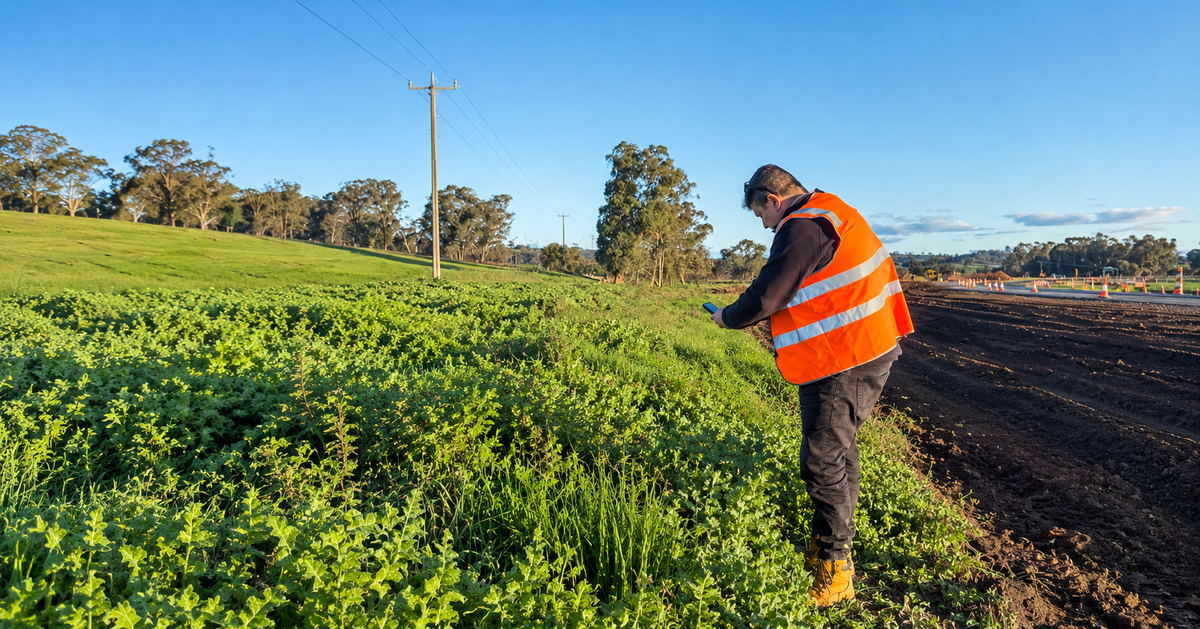
Selecting Herbicides Within an Integrated Vegetation Management Program
Effective herbicide selection begins long before a product is chosen. Within an Integrated Vegetation Management (IVM) program, herbicides are selected to support clearly defined management objecti...
Read more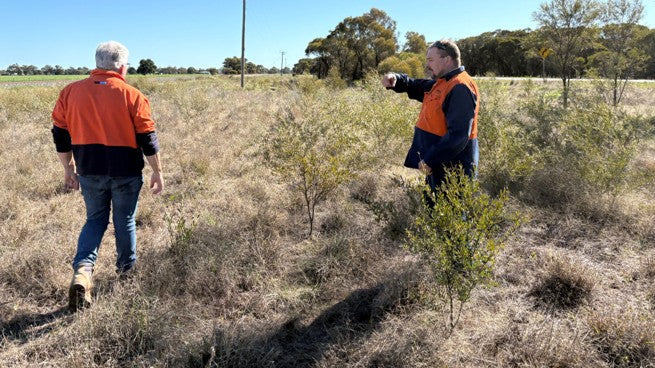
Integrated Vegetation Management: Managing Outcomes, Not Treatments
A vegetation program is not defined by how many times a crew sprays or mows. It is defined by whether the asset is safe, functional and being managed to an agreed standard over time. Integrated Veg...
Read more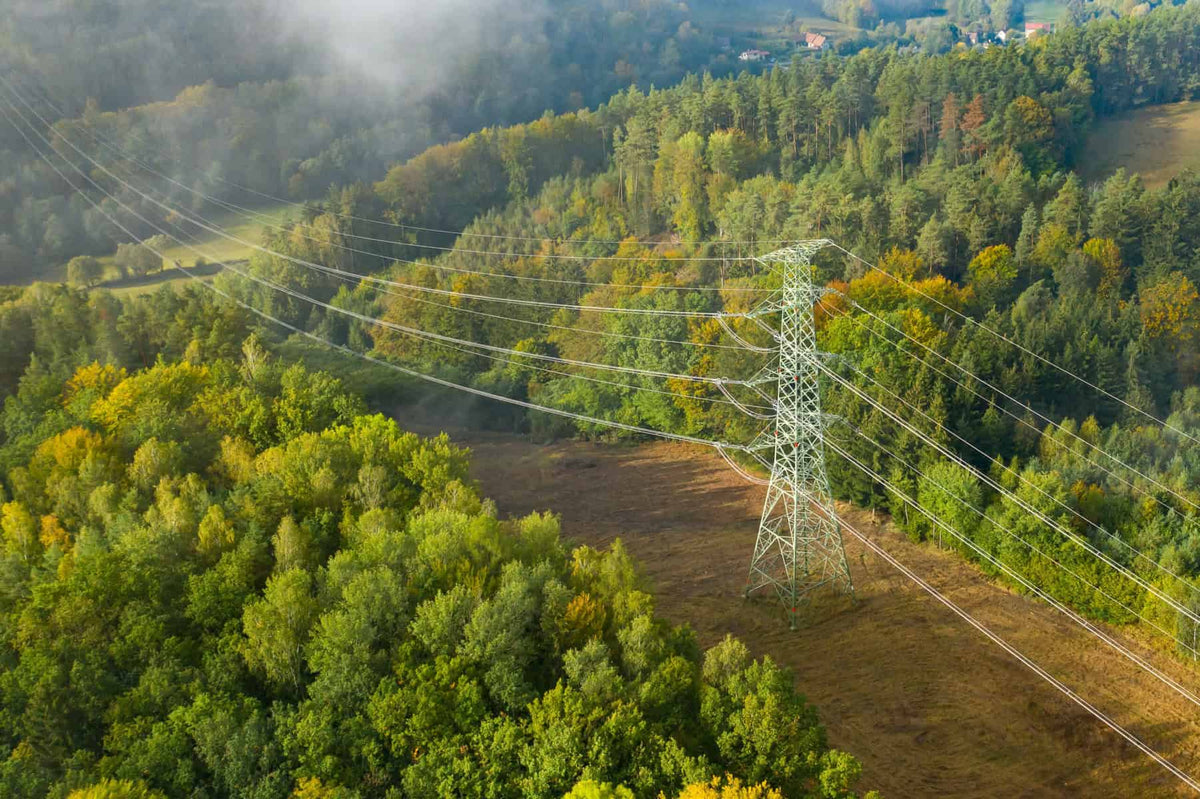
Supply disruption is a chance to review, plan and rotate.
When a major product becomes unavailable, it creates an important moment for the industry to pause, review and adapt. The recent supply disruption affecting a key industrial residual herbicide is a...
Read more