

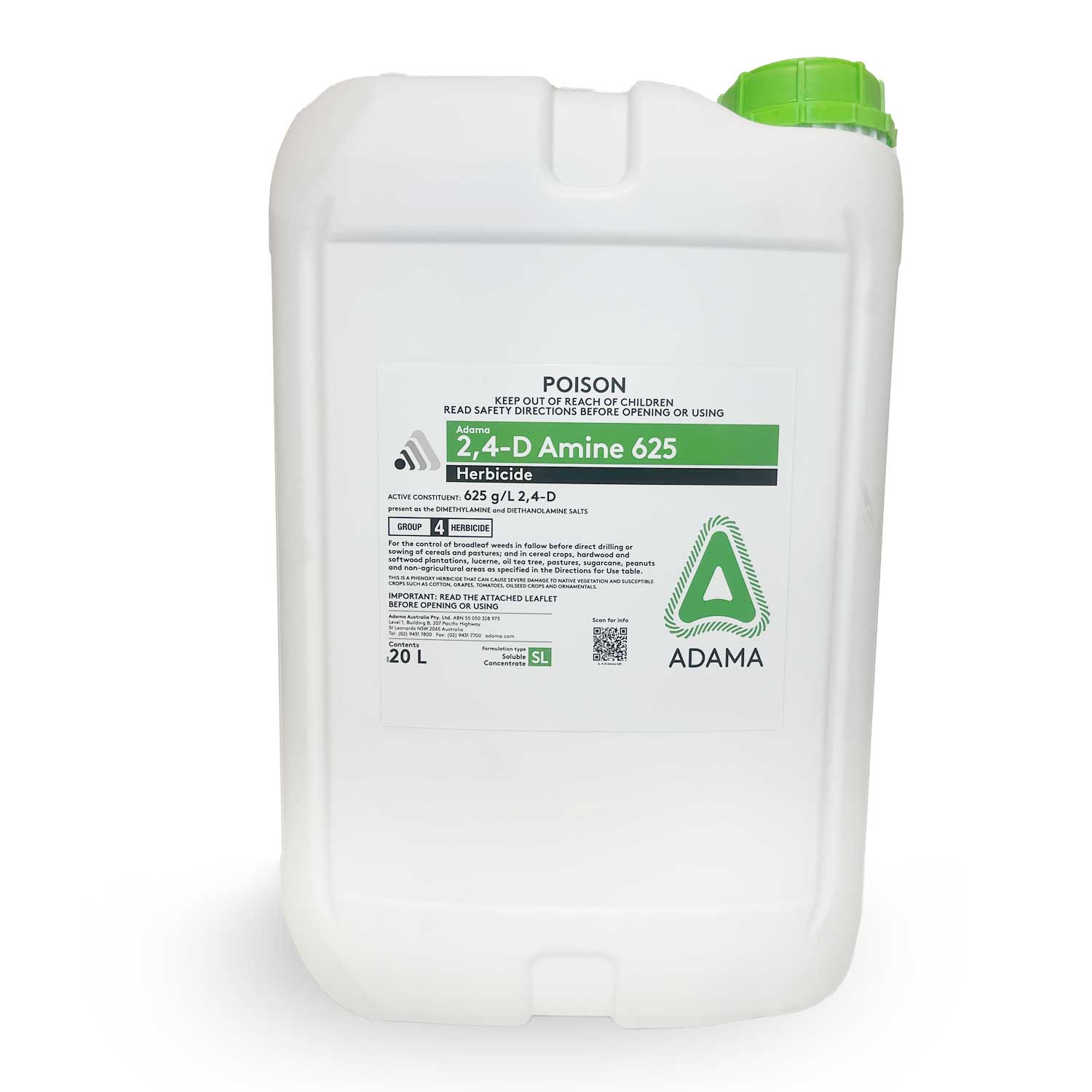
Adama 2,4-D Amine 625 20L. 2,4-D Amine

Group 4 Herbicide
For the control of broadleaf weeds in fallow before direct drilling or sowing of cereals and pastures; and in cereal crops, hardwood and softwood plantations, lucerne, oil tea tree, pastures, sugarcane, peanuts and non-agricultural areas as specified in the Directions for Use table on the label.
Key Features
- Contains 625 g/L 2,4-D for broadleaf weed control
- Group 4 herbicide (synthetic auxin)
- Controls a wide range of broadleaf weeds in crops, pastures, and non-crop areas
- Suitable for use in cereals, pasture, turf, sugarcane, peanuts, and plantations
- Can be used in conservation tillage programs and fallow fields
- Formulated as a soluble concentrate for easy mixing
- Compatible with glyphosate and other commonly used herbicides
- Registered for both ground and aerial application
- Available in multiple pack sizes for broadacre or spot spraying
Maximising Performance:
- Apply to young, actively growing weeds
- Use correct rate based on crop stage, weed size, and application method
- Avoid spraying stressed or dormant weeds
- Do not apply if rain is expected within 3 days
- Maintain proper boom height and droplet size to reduce drift
- Use correct buffer zones near sensitive crops and waterways
- Follow plant back intervals before sowing sensitive crops
- Do not exceed recommended maximum rate (7.2 L/ha)
- Triple rinse spray equipment and avoid contamination between uses
- Always include a wetting agent if label or conditions recommend it
Weeds Controlled
BROADLEAF WEEDS
- Capeweed (Arctotheca calendula)
- Wild Radish (Raphanus raphanistrum)
- Wild Turnip (Brassica tournefortii)
- Mustards (Sisymbrium spp.)
- Paterson’s Curse (Echium plantagineum)
- Thistles (Cirsium spp., Carduus spp., Onopordum spp.)
- Docks (Rumex spp.)
- Bindii / Jo-Jo (Soliva sessilis)
- Dandelion (Taraxacum officinale)
- Clover (Trifolium spp.)
- Fireweed (Senecio madagascariensis)
- Noogoora Burr (Xanthium occidentale)
- Bathurst Burr (Xanthium spinosum)
- Bellvine (Ipomoea plebeia)
- Pink Convolvulus (Convolvulus erubescens)
- Clockweed (Spiny Emex) (Emex australis)
WOODY WEEDS
- Lantana (Lantana camara)
- Blackberry (Rubus fruticosus aggregate)
FORESTRY WEEDS (TARGETED DURING PLANTATION ESTABLISHMENT)
- Thistles (various species)
- Capeweed (Arctotheca calendula)
- Paterson’s Curse (Echium plantagineum)
These weeds are targeted across various crop, pasture, turf, forestry, and non-agricultural settings when ADAMA 2,4-D Amine 625 is applied according to the label directions.
Mode of Action
ADAMA 2,4-D Amine 625 Herbicide is a Group 4 (synthetic auxin) herbicide that works by mimicking the natural plant hormone auxin, disrupting normal cell growth in susceptible broadleaf weeds. Once absorbed through the leaves and stems, it is translocated throughout the plant, causing uncontrolled and disordered growth, leading to twisting, swelling, and eventual plant death. This systemic mode of action makes it highly effective against young, actively growing broadleaf weeds, while grasses are largely unaffected due to their natural tolerance to auxin-type herbicides.
SHORT DESCRIPTION
ADAMA 2,4-D Amine 625 is a powerful Group 4 herbicide formulated to control a broad spectrum of annual and perennial broadleaf weeds across cereals, pastures, sugarcane, peanuts, turf, forestry plantations, and non-crop areas. Containing 625 g/L of 2,4-D, it offers effective post-emergent knockdown of key weeds like wild radish, capeweed, thistles, and Paterson’s curse. Its versatile formulation is compatible with glyphosate and suitable for both boom and aerial application, making it a reliable choice for broadacre weed control and integrated farming systems.
ACTIVE INGREDIENTS
625g/L 2,4-D Amine
APPLICATION INFORMATION
APPLICATION INFORMATION AND RATES – ADAMA 2,4-D AMINE 625 HERBICIDE
WHEAT, BARLEY, OATS, TRITICALE
Weeds Controlled: Wild Turnip, Mustards, Wild Radish, Capeweed, Paterson’s Curse, Thistles, and others
Rate: 350 mL to 1.6 L/ha
Timing: Apply from 3-leaf to jointing stage (Zadoks 13–33)
Comments: Use lower rates for young weeds and higher rates for dense infestations or advanced weed growth. Do not apply to stressed crops.
FALLOW PRIOR TO SOWING
Weeds Controlled: Various broadleaf weeds
Rate: 350 mL to 2.8 L/ha
Comments: Apply to actively growing weeds before sowing cereals or pastures. Observe plant-back periods based on crop type and rate used.
ESTABLISHED PASTURES
Weeds Controlled: Capeweed, Thistles, Dock, Paterson’s Curse
Rate: 700 mL to 2.8 L/ha
Comments: Apply when weeds are actively growing. Do not graze or cut for 7 days after application.
PEANUTS
Weeds Controlled: Noogoora Burr, Clockweed
Rate: 875 mL to 2.1 L/ha
Timing: Apply when weeds are at seedling stage
Comments: Apply carefully to avoid damage to peanut crop. Do not use in late crop stages.
SUGARCANE
Weeds Controlled: Broadleaf weeds including Bellvine, Pink Convolvulus
Rate: 1.2 to 2.8 L/ha
Timing: Post-emergent
Comments: Apply as directed spray to avoid cane damage. Use drop nozzles if needed.
TURF
Weeds Controlled: Bindii, Clover, Dandelion, Capeweed
Rate: 5 to 10 mL per 1 L of water
Application: Spot spray
Comments: Treat entire lawn evenly or spot spray as needed. Avoid mowing for 2 days before and after treatment.
FORESTRY – HARDWOOD & SOFTWOOD PLANTATIONS
Weeds Controlled: Thistles, Capeweed, Paterson’s Curse, etc.
Rate: 1.6 to 3.2 L/ha
Comments: Apply during plantation establishment for weed suppression. Avoid drift onto tree foliage.
OIL TEA TREE
Weeds Controlled: Broadleaf weeds
Rate: 1.2 to 2.4 L/ha
Comments: Apply to inter-row areas only. Avoid contact with crop foliage.
SPOT SPRAYING
Weeds Controlled: Lantana, Blackberry, Noogoora Burr, etc.
Rate: 1 L per 100 L of water
Application: Handgun or knapsack
Comments: Wet foliage thoroughly. Avoid spraying desirable plants.
INDUSTRIAL AND NON-AGRICULTURAL AREAS
Weeds Controlled: Various broadleaf weeds
Rate: 1.6 to 7.2 L/ha
Comments: Use higher rates for difficult weeds. Suitable for roadside, rail, and public land maintenance.
APPLICATION VOLUMES
Boom Spray: 30–120 L/ha
Aerial Application: 10–90 L/ha
Spot Spraying: As per specific label guidance
Always refer to the full label for specific timing, crop safety, environmental restrictions, and mixing instructions.
WEEDS CONTROLLED
WEEDS CONTROLLED – ADAMA 2,4-D AMINE 625 HERBICIDE
BROADLEAF WEEDS
Capeweed (Arctotheca calendula)
Wild Radish (Raphanus raphanistrum)
Wild Turnip (Brassica tournefortii)
Mustards (Sisymbrium spp.)
Paterson’s Curse (Echium plantagineum)
Thistles (Cirsium spp., Carduus spp., Onopordum spp.)
Docks (Rumex spp.)
Bindii / Jo-Jo (Soliva sessilis)
Dandelion (Taraxacum officinale)
Clover (Trifolium spp.)
Fireweed (Senecio madagascariensis)
Noogoora Burr (Xanthium occidentale)
Bathurst Burr (Xanthium spinosum)
Bellvine (Ipomoea plebeia)
Pink Convolvulus (Convolvulus erubescens)
Clockweed (Spiny Emex) (Emex australis)
WOODY WEEDS
Lantana (Lantana camara)
Blackberry (Rubus fruticosus aggregate)
FORESTRY WEEDS (TARGETED DURING PLANTATION ESTABLISHMENT)
Thistles (various species)
Capeweed (Arctotheca calendula)
Paterson’s Curse (Echium plantagineum)
These weeds are targeted across various crop, pasture, turf, forestry, and non-agricultural settings when ADAMA 2,4-D Amine 625 is applied according to the label directions.
PRODUCT LABEL SUMMARY
Full Product Label Summary – ADAMA 2,4-D Amine 625 Herbicide
Product Name
ADAMA 2,4-D Amine 625 Herbicide
Active Constituent
625 g/L 2,4-D (present as the dimethylamine and diethanolamine salts)
Formulation Type
Soluble Concentrate (SL)
Herbicide Group
Group 4 Herbicide
Signal Heading
Poison
Keep out of reach of children
Read safety directions before opening or using
Purpose
For the control of broadleaf weeds in fallow prior to direct drilling or sowing cereals and pastures; and in cereal crops, hardwood and softwood plantations, lucerne, oil tea tree, pastures, sugarcane, peanuts and non-agricultural areas.
Directions for Use
Field crops (wheat, barley, oats, triticale, maize, sweet corn, sorghum, millet)
Pastures (established and prior to sowing)
Peanuts
Sugarcane
Lawns and turf
Plantations (hardwood, softwood, oil tea tree)
Conservation tillage
Spot spraying
Industrial and non-agricultural areas
Restraints
Do not apply by backpack or handheld equipment above certain rates
Do not exceed 7.2 L/ha
Do not spray if heavy rain is forecast within 3 days or on stressed plants
Do not apply to lucerne in cereal crops
Spray Drift Restraints
Do not allow spray drift
Apply only when wind is between 3 and 20 km/h
Avoid temperature inversion conditions
Observe mandatory buffer zones for boom and aerial applications
Application Restrictions
Timing and rate limitations apply for specific crops and regions
Restrictions for sugarcane, peanuts, turf, forestry and dryland cropping outlined in specific tables
Weeds Controlled
Extensive list of broadleaf weeds including:
Capeweed
Wild Radish
Wild Turnip
Thistles (various)
Mustards
Paterson’s Curse
Noogoora Burr
Lantana
Water Hyacinth
and many others (see Weed Table)
Application Methods
Boom spraying: 30–120 L/ha water
Aerial spraying: 10–90 L/ha water
Spot spraying: As per weed table using hand sprayers
Mixing Instructions
Mix with water
Maintain agitation
Compatible with glyphosate and other herbicides
General Instructions
Apply to actively growing young plants
Do not apply to stressed or dormant weeds
Avoid spray drift
Withholding Periods
Harvest: Not required when used as directed
Grazing: Do not graze or cut for stock food for 7 days
Lucerne: Do not graze, cut or cultivate for at least 21 days after spraying
Plant Back Periods
Vary from 1 to 28 days depending on crop and rate
Rainfall of 15 mm may be required before commencement
Resistance Warning
Group 4 herbicide – may lead to resistance if used repeatedly
Re-Entry Period
Do not hand-harvest sugarcane for at least 1 day
Wear protective gear if re-entering before spray has dried
Protection of Crops, Native and Non-Target Plants
Avoid drift to sensitive crops
Do not apply over or near water
Protection of Wildlife, Fish, and Environment
Very toxic to aquatic life
Do not contaminate watercourses
Storage and Disposal
Store in a cool, dry, well-ventilated area
Triple rinse containers before disposal
Follow drumMUSTER and regulatory guidelines for recycling
Safety Directions
Poisonous if absorbed by skin, inhaled or swallowed
Corrosive to eyes and skin
Wear full protective clothing and respirator
Wash thoroughly after use
First Aid
Contact Poisons Information Centre: 13 11 26
SDS Availability
Available from Adama Australia
Conditions of Sale
No warranty given beyond product label directions
Use at buyer’s risk
LABEL, SDS & TECH SHEET
SHIPPING & RETURNS
Greenway Weed Solutions has a distribution centre in QLD only. All orders, Australia-wide will be shipped from this location.
Shipping is free on all online orders. Bulk purchase shipping rates are determined by total order weight and delivery location.
Pickups are available from the QLD warehouse. Updates to product availability in other Australian warehouses are upcoming.
Choose options
explore our latest Blogs
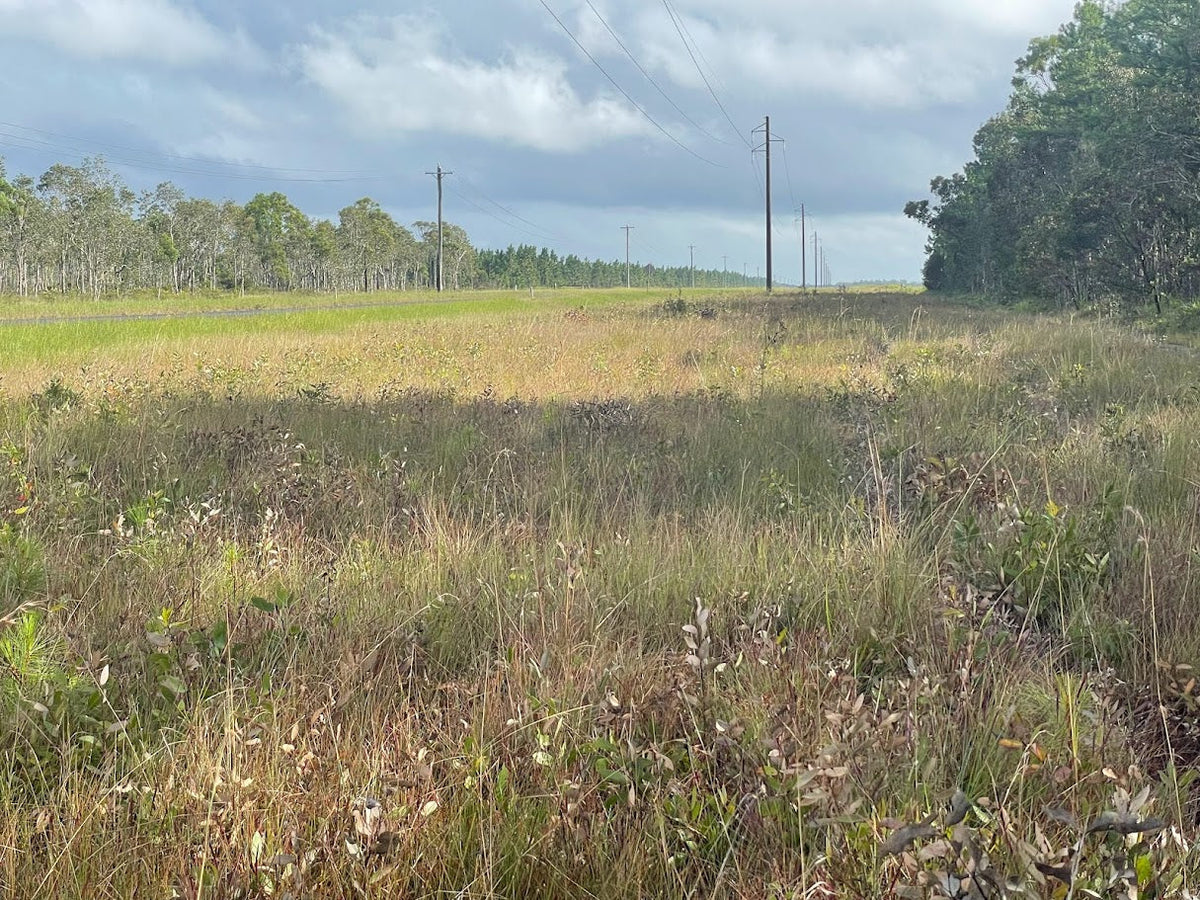
Herbicide Resistance Management for Infrastructure Assets
Herbicide resistance is one of the most significant long term risks facing vegetation management. Left unmanaged, it can reduce treatment options, increase operational costs and compromise the effe...
Read more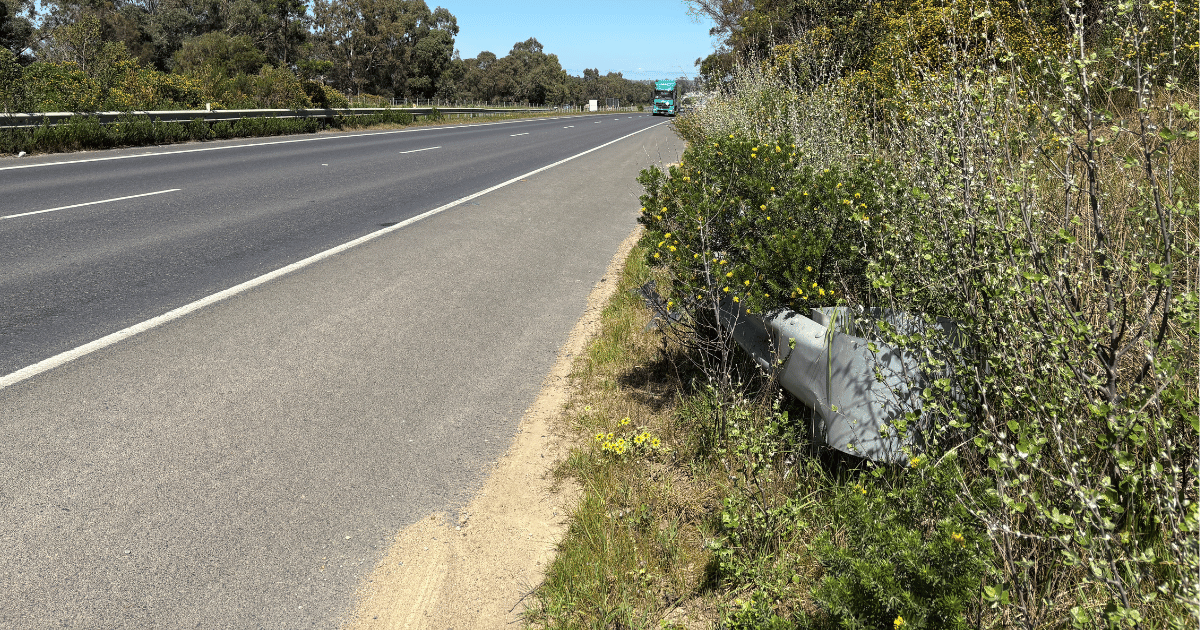
Vegetation Risk Assessment for Critical Infrastructure
Vegetation risk assessment provides a structured process for identifying, evaluating and managing vegetation that may affect the safety, reliability or performance of critical infrastructure. Rathe...
Read more
Understanding Herbicide Modes of Action
Selecting a herbicide involves more than identifying the target weed. To achieve reliable long term vegetation outcomes, vegetation managers must also understand how herbicides work within the plan...
Read more