

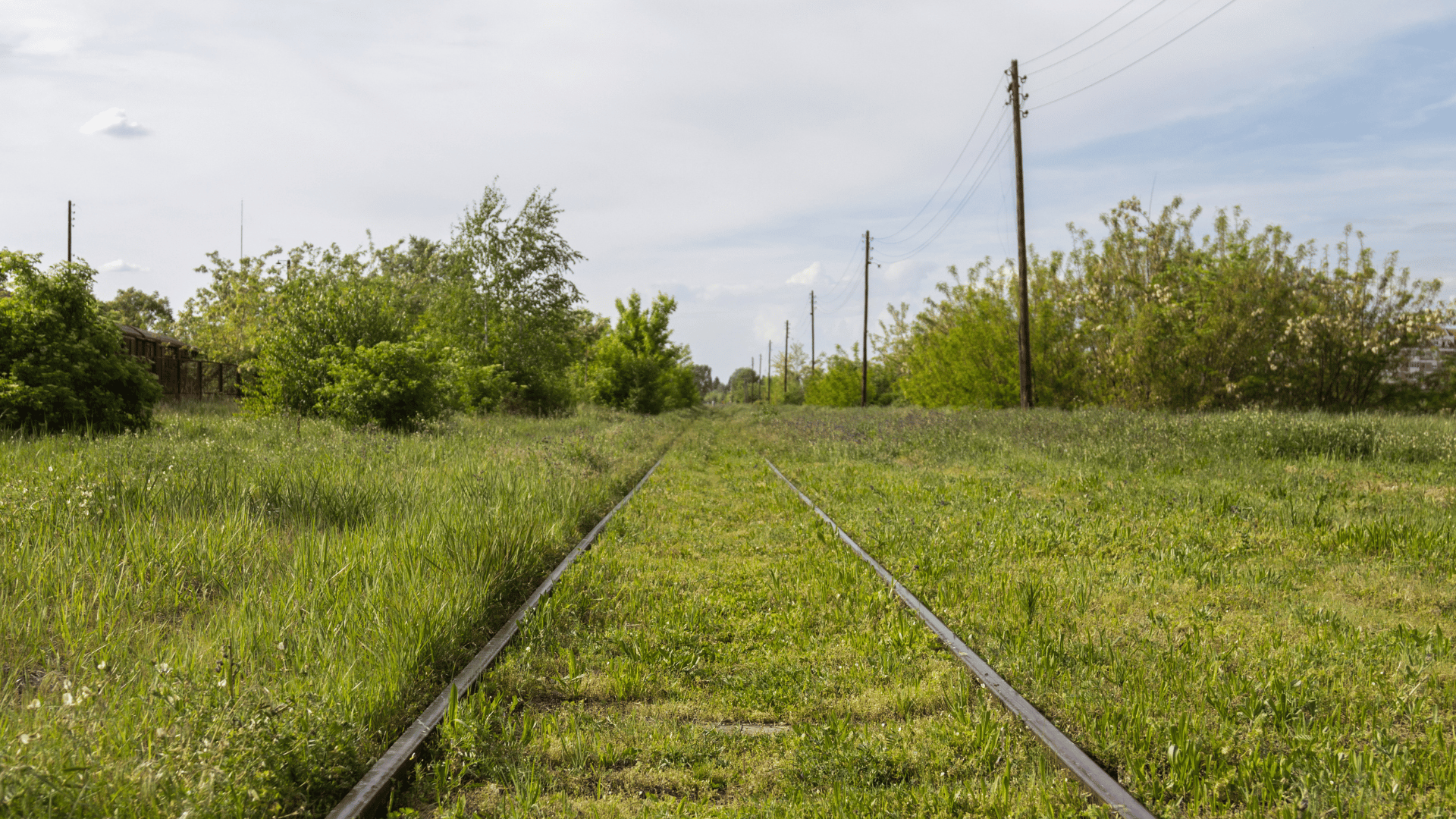
Vegetation Management Reality on Large Infrastructure Networks
Across Australia many infrastructure corridors are managed using herbicide programs that have been in place for many years. Those programs were originally built around chemistries that delivered reliable control and predictable results. In many cases the same approach continues to be used today even though the operating environment around those programs has changed significantly.
A recent review of vegetation management conditions on a large regional infrastructure asset highlighted a pattern that will be familiar to many asset managers. Vegetation that was previously well controlled is now showing reduced response to the same chemistry. Treatments that historically provided effective knockdown are now producing partial suppression or inconsistent results across the corridor.
Importantly this is rarely about operator performance or the effort of the teams delivering the work. In most cases the problem sits deeper within the system.
One of the primary drivers is the gradual development of herbicide resistance. When plants are repeatedly exposed to doses that are insufficient to fully control them the survivors are the individuals that carry tolerance traits. Over time those plants become dominant within the population and the original chemistry becomes progressively less effective.
What is often overlooked is how easily sub lethal dosing can occur without anyone realising it.
Across many regional spray programs, the quality of spray water varies dramatically. High turbidity elevated bicarbonates and alkaline pH levels can significantly reduce the performance of weak acid herbicides. In some conditions the efficacy of these products can be reduced by up to 50 percent before the spray even reaches the target plant.
When that happens, the operator may believe they are applying the correct rate per hectare, yet the plant is effectively receiving only a fraction of the intended active dose. The result is repeated exposure to sub lethal chemistry which accelerates the development of resistance.
Another common challenge is the age of approved chemical lists. In many infrastructure programs those lists were developed years ago and have not evolved alongside changes in weed pressure resistance patterns or advances in formulation technology. In reality many of these aged lists still contain products that should no longer be considered best practice for modern vegetation management programs.
Herbicide technology has advanced significantly over the past decade. Newer chemistries are safer to use more targeted in the weeds they control and often deliver stronger outcomes at lower application volumes per hectare. In addition to improved safety and selectivity these newer technologies can significantly improve program efficiency.
One of the most effective examples is the integration of pre-emergent herbicides into corridor spray programs. When applied in combination with knockdown herbicides pre-emergent chemistry can prevent the next generation of weeds from establishing. This approach actively targets the seed bank that has often built up over many years of repeated knockdown only programs.
The operational impact can be substantial. By combining knockdown and pre-emergent chemistry within the same intervention vegetation managers can often reduce the number of required spray events by up to 50 percent while maintaining a cleaner corridor between treatments.
For large infrastructure networks the implications are clear. Programs that rely solely on legacy chemistry and historical operating models will increasingly struggle to deliver consistent outcomes. Effective vegetation management now requires a deeper understanding of water chemistry formulation behaviour plant physiology and resistance dynamics.
This is where specialist vegetation management support becomes critical.
By working closely with asset managers and operational team’s specialist groups such as the Greenway team help identify hidden constraints that may be reducing program performance. Once those constraints are understood the program can be redesigned around them through improved chemistry selection water conditioning strategies better tank mix design and the integration of newer technologies.
The objective is to move away from reactive programs that continually chase declining control and instead build programs that work, delivering reliable repeatable outcomes across the life of the asset.

Additional content
VIEW GWS' ADDITIONAL CONTENT TO LEARN MORE ABOUT THE WEED INDUSTRY
Selecting Herbicides Within an Integrated Vegetation Management Program
Effective herbicide selection begins long before a product is chosen. Within an Integrated Vegetation Management (IVM) program, herbicides are selected to support clearly defined management objecti...
Read more
Integrated Vegetation Management: Managing Outcomes, Not Treatments
A vegetation program is not defined by how many times a crew sprays or mows. It is defined by whether the asset is safe, functional and being managed to an agreed standard over time. Integrated Veg...
Read more
Supply disruption is a chance to review, plan and rotate.
When a major product becomes unavailable, it creates an important moment for the industry to pause, review and adapt. The recent supply disruption affecting a key industrial residual herbicide is a...
Read more