

Redefining Utility Vegetation Management in Urban Environments
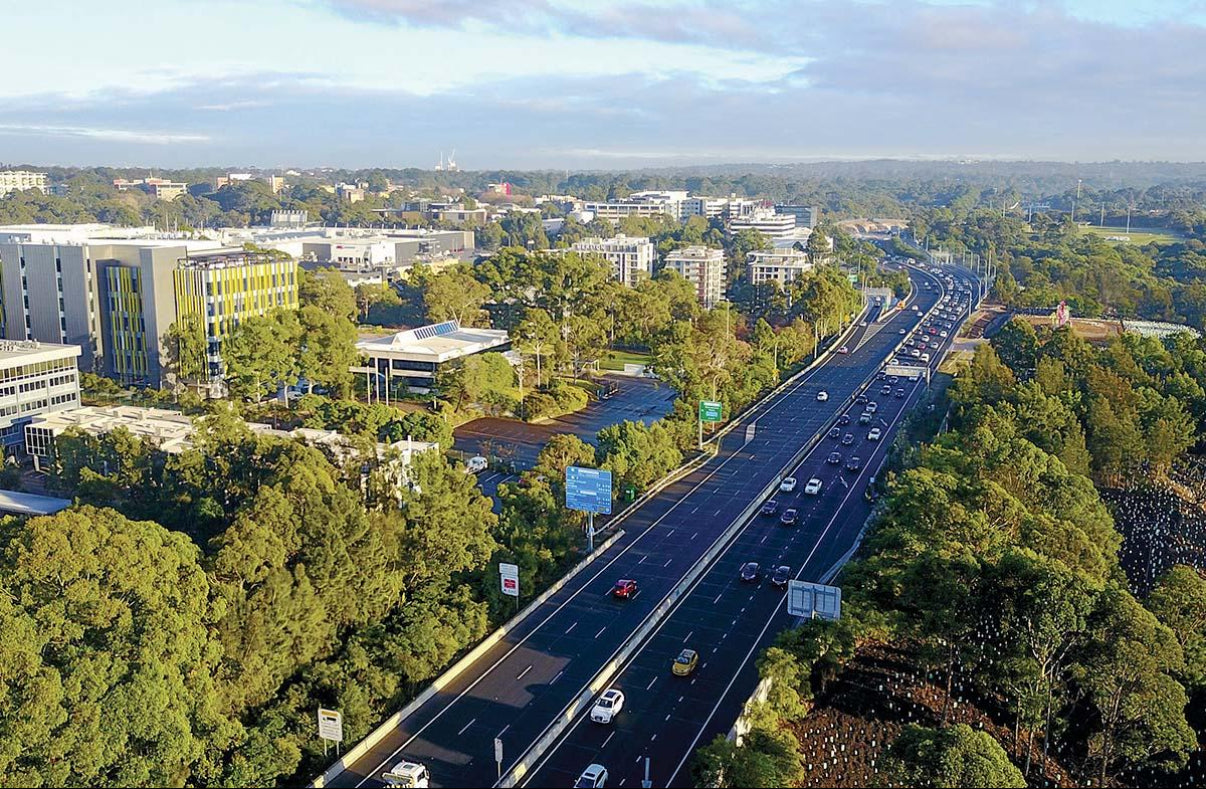
One of the more operationally grounded presentations at ROW14 focused on how utilities are increasingly rethinking utility vegetation management within high density urban environments.
A session involving Central Maine Power and Lucas Tree explored the development of urban utility vegetation management initiatives designed to reset degraded corridors, reduce invasive species pressure, improve worker safety and establish more sustainable long term corridor conditions.
The presentation focused on several urban case studies where utilities compared different treatment and corridor rehabilitation approaches including:
• targeted herbicide application,
• woody vegetation removal,
• grass establishment,
• natural regeneration strategies,
• selective vegetation management systems.
Rather than approaching vegetation management as a simple recurring clearance activity, the session reinforced a growing industry shift toward corridor rehabilitation and long term corridor condition management.

One of the strongest operational themes throughout the presentation was the importance of restoring visibility, access and long term maintainability within high density urban rights of way.
The discussion highlighted how unmanaged woody vegetation within urban corridors can contribute to:
• restricted operational access,
• reduced worker safety,
• increased biohazards,
• invasive species establishment,
• unauthorised corridor use,
• declining corridor visibility,
• increased operational complexity.
The presentation demonstrated how targeted woody vegetation removal combined with selective vegetation establishment strategies can improve both operational and environmental outcomes across urban utility corridors.
Importantly, the discussion also reinforced that urban utility vegetation management programs increasingly intersect with:
• public interface,
• environmental stewardship,
• urban amenity,
• community expectations,
• worker safety,
• long term operational sustainability.
Another particularly relevant theme throughout the session was the integration between operational corridor management and environmental outcomes.
The presentation highlighted how selective vegetation management and corridor reset programs can support:
• natural pollinator habitat establishment,
• reduced invasive species pressure,
• lower long term vegetation maintenance requirements,
• improved corridor stability,
• improved inspection access,
• more sustainable vegetation structure over time.
This aligns strongly with broader themes emerging throughout the ROW14 series around:
• condition based utility vegetation management,
• integrated corridor intelligence,
• targeted intervention,
• vegetation as infrastructure,
• environmental stewardship linked to operational performance.
Historically, many urban utility vegetation management programs have often evolved reactively around repeated cyclical maintenance activity without necessarily addressing underlying corridor condition.
The session reinforced that modern urban utility vegetation management is increasingly shifting toward:
• corridor rehabilitation,
• measurable corridor condition,
• strategic vegetation structure,
• selective intervention,
• long term operational planning,
• integrated environmental and operational outcomes.
The discussion around safety first corridor frameworks was also significant.
As utilities continue operating within increasingly constrained urban environments, vegetation management programs are now being required to balance:
• operational safety,
• infrastructure reliability,
• environmental performance,
• public expectations,
• regulatory accountability,
• long term corridor sustainability.
The overall direction of travel emerging from the session was clear.
Urban utility vegetation management is evolving beyond simple clearance management and moving toward integrated corridor management systems designed to improve operational resilience, worker safety, environmental outcomes and long term infrastructure performance simultaneously.

Additional content
VIEW GWS' ADDITIONAL CONTENT TO LEARN MORE ABOUT THE WEED INDUSTRY
Selecting Herbicides Within an Integrated Vegetation Management Program
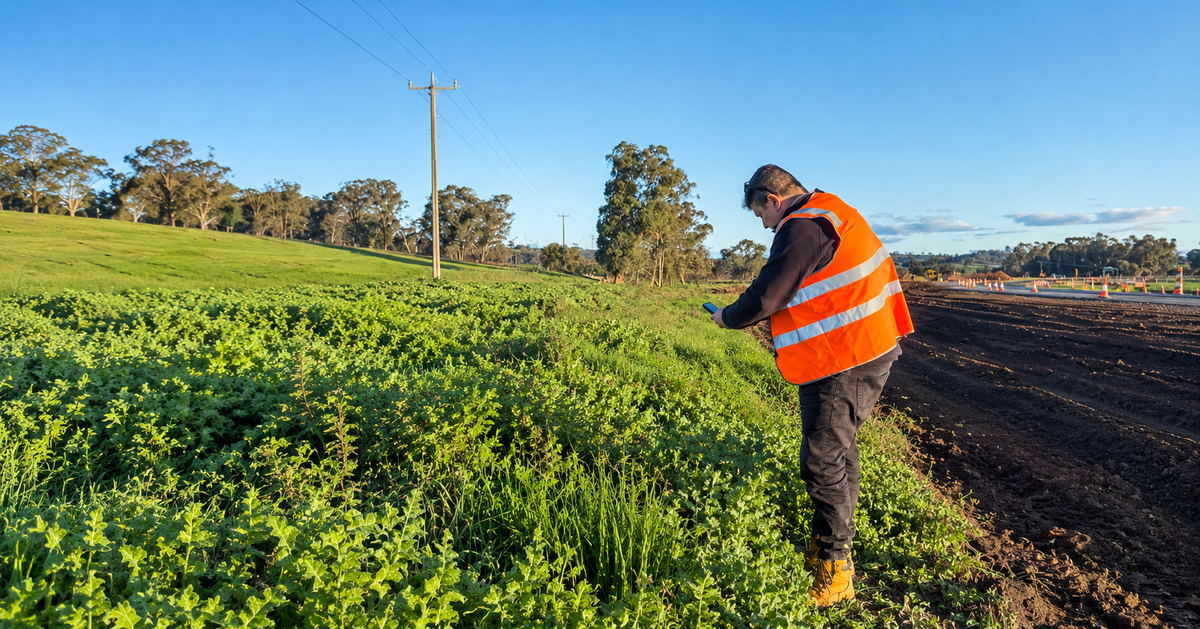
Effective herbicide selection begins long before a product is chosen. Within an Integrated Vegetation Management (IVM) program, herbicides are selected to support clearly defined management objecti...
Read more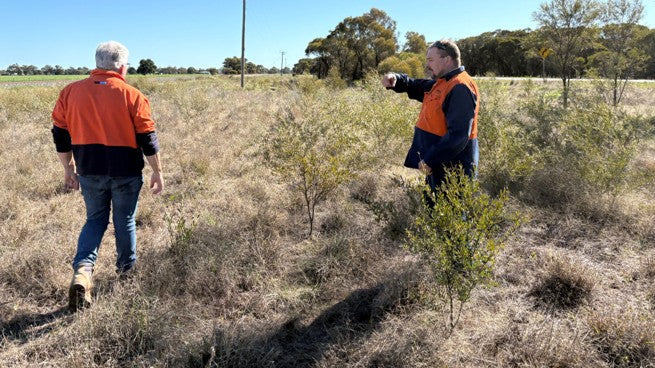
Integrated Vegetation Management: Managing Outcomes, Not Treatments
A vegetation program is not defined by how many times a crew sprays or mows. It is defined by whether the asset is safe, functional and being managed to an agreed standard over time. Integrated Veg...
Read more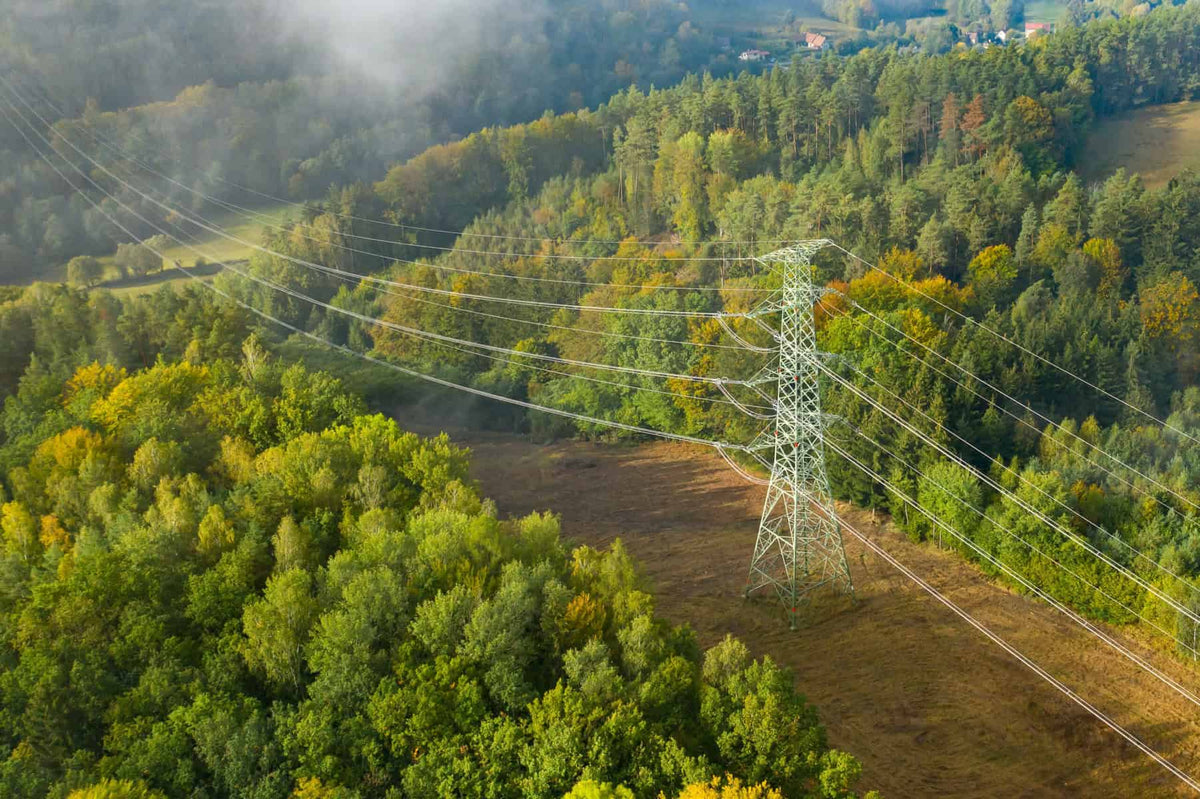
Supply disruption is a chance to review, plan and rotate.
When a major product becomes unavailable, it creates an important moment for the industry to pause, review and adapt. The recent supply disruption affecting a key industrial residual herbicide is a...
Read more