


Product Spotlight: Numchuk Quad Herbicide
Numchuk herbicide is a unique, Quad Control Herbicide Technology Product developed by Peter Kirby at Indigo Specialty Products.
Numchuk is a non-selective knockdown and residual herbicide featuring ‘Quad Control Herbicide Technology’ to provide effective post and pre emergence weed control for up to 12 months.
Numchuk Quad contains four herbicides from different mode of action groups being 100g/L Glyphosate, 60g/L Amitrole, 15g/L Oxyfluorfen and 350g/L Terbuthylazine. This innovative technology is registered to control most annual, perennial and broadleaf weeds in commercial and industrial areas including rights of way, roadsides, railway lines, guideposts, powerlines and substations, aerodromes, public utilities and fencelines.
Key Features of Numchuk Herbicide
Contains multiple modes of action, reducing potential weed resistance issues.
- Very effective on hard to kills weeds like Fleabane and Giant Rats tail.
- Substantial labour saving for weed management on road and rail situations.
- Provides both knockdown and residual control – Reducing need for additional tank mixes.
- Has strong activity on both grasses and broadleaf weeds.
- Provides long term residual control – Up to 12 months or greater.
- Can be used via handgun or boom application.
- Safe to established trees and ornamentals, as long as spray drift doesn’t occur.
For more information check out our Numchuk Product Page.

Additional content
VIEW GWS' ADDITIONAL CONTENT TO LEARN MORE ABOUT THE WEED INDUSTRY
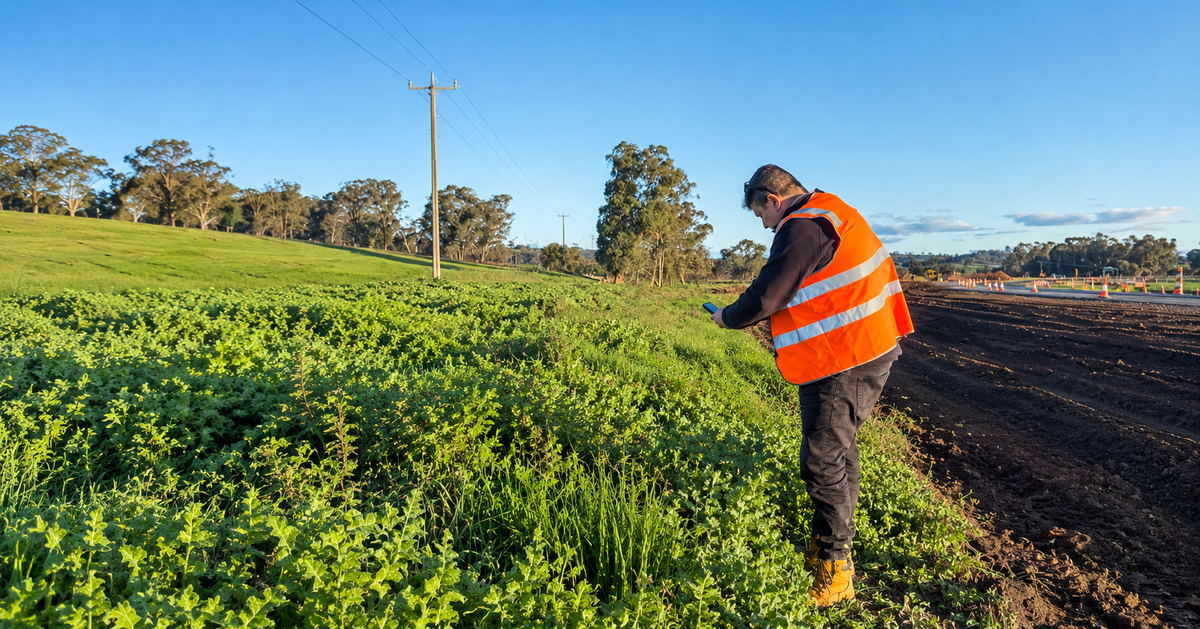
Selecting Herbicides Within an Integrated Vegetation Management Program
Effective herbicide selection begins long before a product is chosen. Within an Integrated Vegetation Management (IVM) program, herbicides are selected to support clearly defined management objecti...
Read more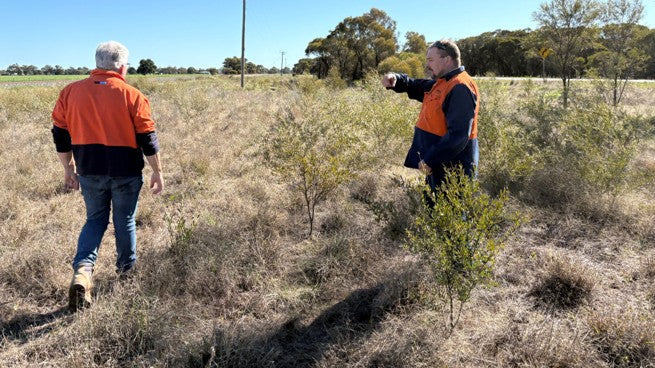
Integrated Vegetation Management: Managing Outcomes, Not Treatments
A vegetation program is not defined by how many times a crew sprays or mows. It is defined by whether the asset is safe, functional and being managed to an agreed standard over time. Integrated Veg...
Read more
Supply disruption is a chance to review, plan and rotate.
When a major product becomes unavailable, it creates an important moment for the industry to pause, review and adapt. The recent supply disruption affecting a key industrial residual herbicide is a...
Read more