

Integrated Vegetation Management in Rights-of-Way (Part 2)
Part 2: Integrated Vegetation Management, fighting veg with veg
Integrated Vegetation Management in Australian rights-of-way | Part 2 of 2
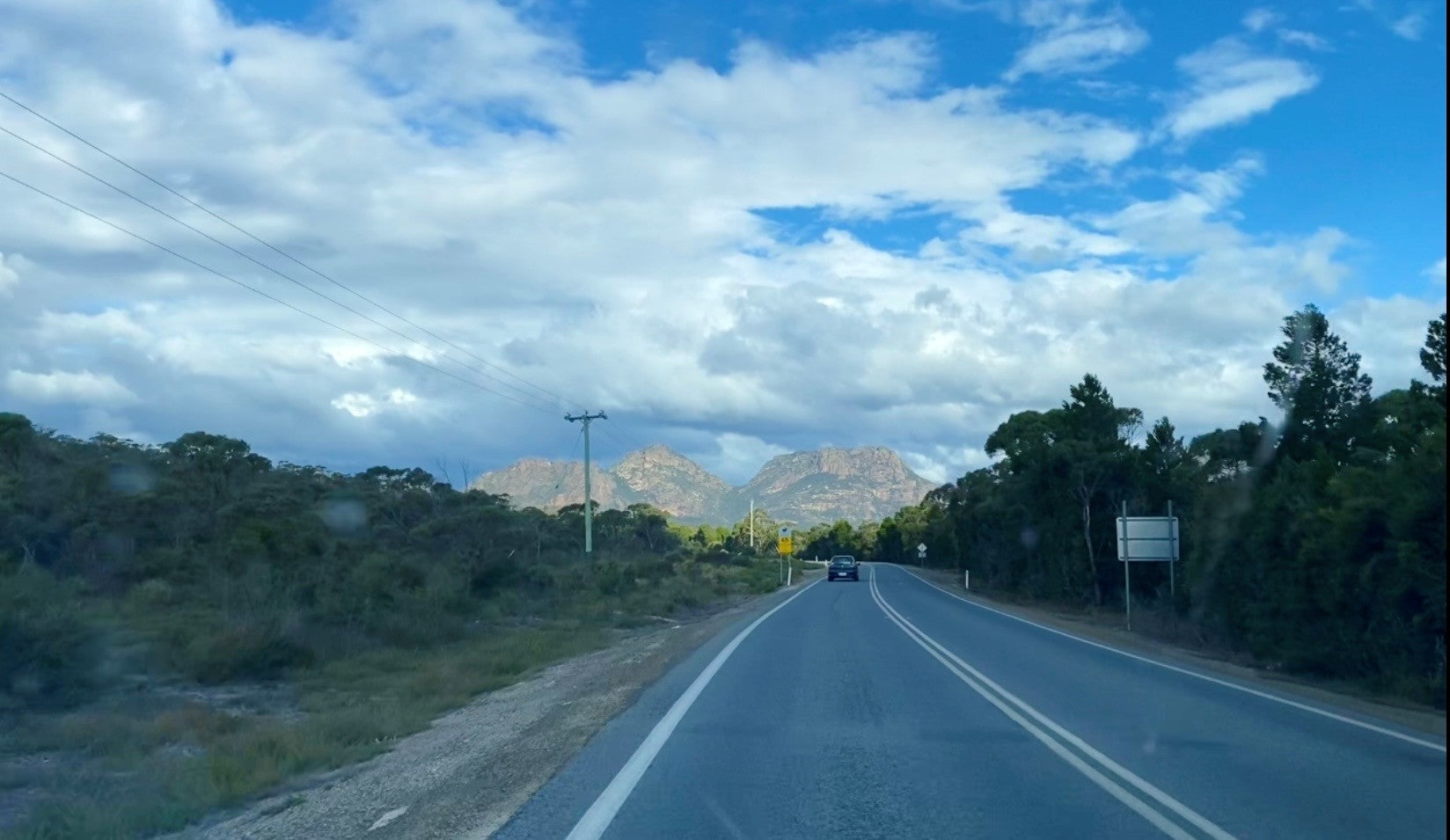
In simple terms, Integrated Vegetation Management (IVM) is the deliberate management of a right-of-way so the vegetation growing there is the vegetation you want. Rather than relying on a single technique repeated on a cycle, it coordinates a mix of mechanical, manual, chemical, biological and cultural controls, selected for the site, the objective and the season. The principle underneath it is the most useful part: build a corridor full of compatible, low-growing species that out-compete the incompatible, tall-growing ones. Otherwise known as, “fighting veg with veg”.
The corridor itself becomes the biological control. The desirable plant community shades out the undesirable species that would otherwise raise risk, cost, and reduces the overall costs of intervention.
In practice, IVM follows a recognisable cycle that any Australian asset owner or contractor can deliver. It starts by setting the objectives, such as fire mitigation, network reliability, line-of-sight, amenity and environmental outcomes, because the right treatment depends on which of these matters most for that section of corridor. Each site is then evaluated, with the existing vegetation recorded and historical defect and treatment data pulled together. Intervention thresholds are agreed (for example, 200 mm for grass height or 2.0 m from the asset for trees) so that crews are acting on a defined trigger rather than the calendar. Treatments are then selected as a tailored mix: bare-earth and pre-emergent herbicide regimes where they suit, targeted plant growth regulators on selected species, selective treatment of woody regrowth, and mechanical clearing where it is genuinely the right tool. The program is delivered by trained, qualified crews using approved methods, and every intervention is recorded, reviewed and fed back into the next round of work.
In Australian conditions, where much of the corridor estate is dominated by vigorous eucalypts, fast-growing wattles and a long list of declared weeds, discipline is what makes IVM work. Cyclical vegetation management in this environment can encourage many of those species to coppice harder and recolonise faster, so each cycle effectively reseeds the issue it is trying to address. By contrast, an IVM program selects a smaller, smarter intervention that suppresses the incompatible species and allows a desirable, more compatible, understorey to establish. The frequency and intensity of intervention falls, and we have field experience from long-running outcome-based programs in Australia that consistently show a year-on-year savings of 10-20% or more against business-as-usual, with the bulk of the benefit arriving after an initial investment phase to reset the corridor.
Where the procurement model can be modernised
Transitioning from cyclical vegetation management on a corridor that has been managed that way for decades is a journey rather than a switch. The first year of an IVM transition typically calls for a higher level of investment, to widen easements where they have crept, reset groundline conditions so future herbicide treatments can do their work, remove the cycle-buster trees that drive most of the unscheduled call-outs, and retrain and re-equip crews. The savings flow from year two onwards, as cycles extend and the corridor’s own plant community starts doing the work. On the electricity network this shows up as improved supply reliability and a reduced bushfire ignition profile. On rail it shows up as cleaner ballast lines and longer intervals between on-track treatments. On road verges it shows up as a smaller crew footprint, less time exposed to live traffic, and improved safety for both crews and the public, not to mention better aesthetics. On pipeline rights-of-way it shows up as the ability to maintain inspection access while preserving habitat values and revegetation conditions.
Three shifts will determine how quickly IVM matures in Australia. The procurement model has the opportunity to evolve from unit-rate cyclical contracts toward outcome-based, longer-term arrangements that share risk and upside between asset owner and the contractor. The contract type, more than the technique, often sets the ceiling on what is achievable. Knowledge in IVM can be built and standardised, with shared training, shared language and an Australian pathway that reflects our species, climate and risk profiles rather than relying on old contract templates. Data can flow more freely, from drone, LiDAR and geospatial inspection through to the on-ground works record, so every intervention informs the next one and lessons learned in one region can be applied quickly in another.
None of this is theoretical. The methods exist, the field experience inside Australian rights-of-way is mounting, and the early evidence is consistent: IVM, done properly, delivers a safer corridor, a better environmental outcome and a lower long-term cost. The question for Australian asset owners is no longer whether IVM works on rights-of-way in this country, but how quickly they want to capture the benefits.
%20is...)
Additional content
VIEW GWS' ADDITIONAL CONTENT TO LEARN MORE ABOUT THE WEED INDUSTRY
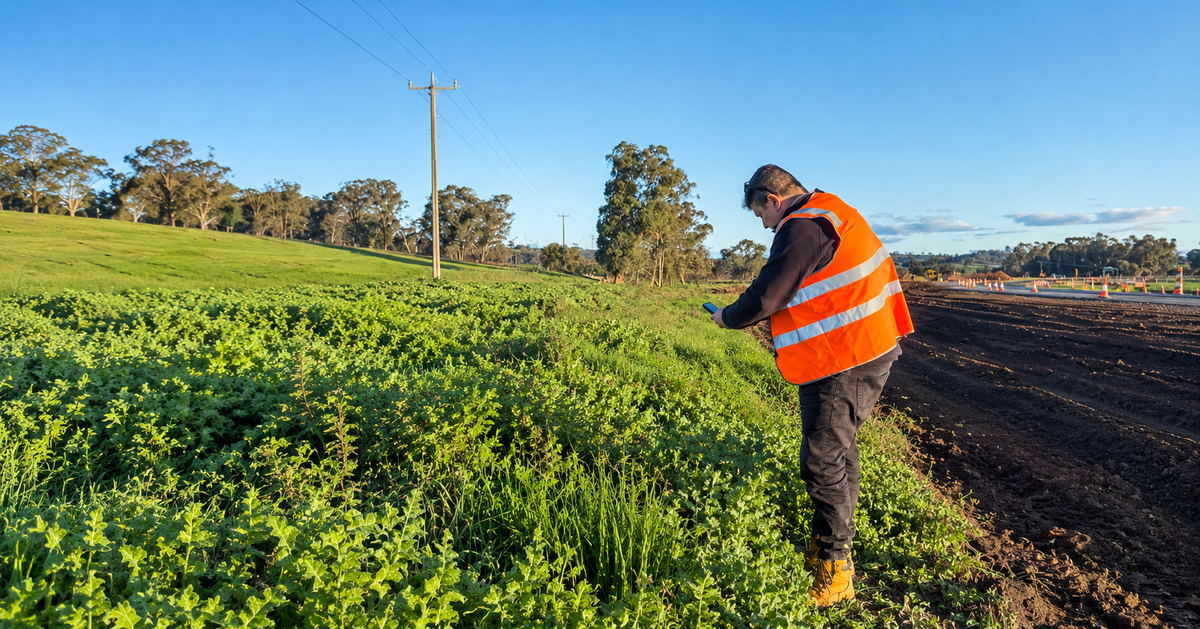
Selecting Herbicides Within an Integrated Vegetation Management Program
Effective herbicide selection begins long before a product is chosen. Within an Integrated Vegetation Management (IVM) program, herbicides are selected to support clearly defined management objecti...
Read more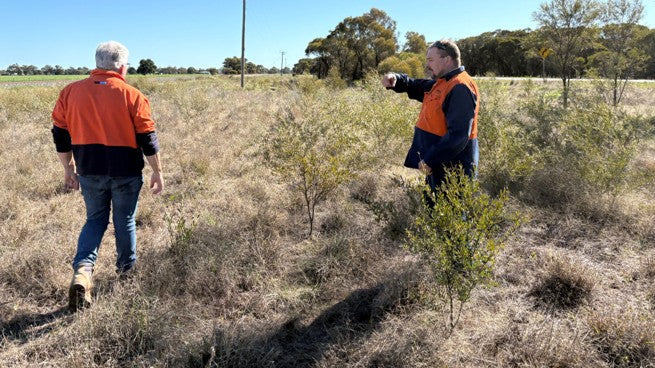
Integrated Vegetation Management: Managing Outcomes, Not Treatments
A vegetation program is not defined by how many times a crew sprays or mows. It is defined by whether the asset is safe, functional and being managed to an agreed standard over time. Integrated Veg...
Read more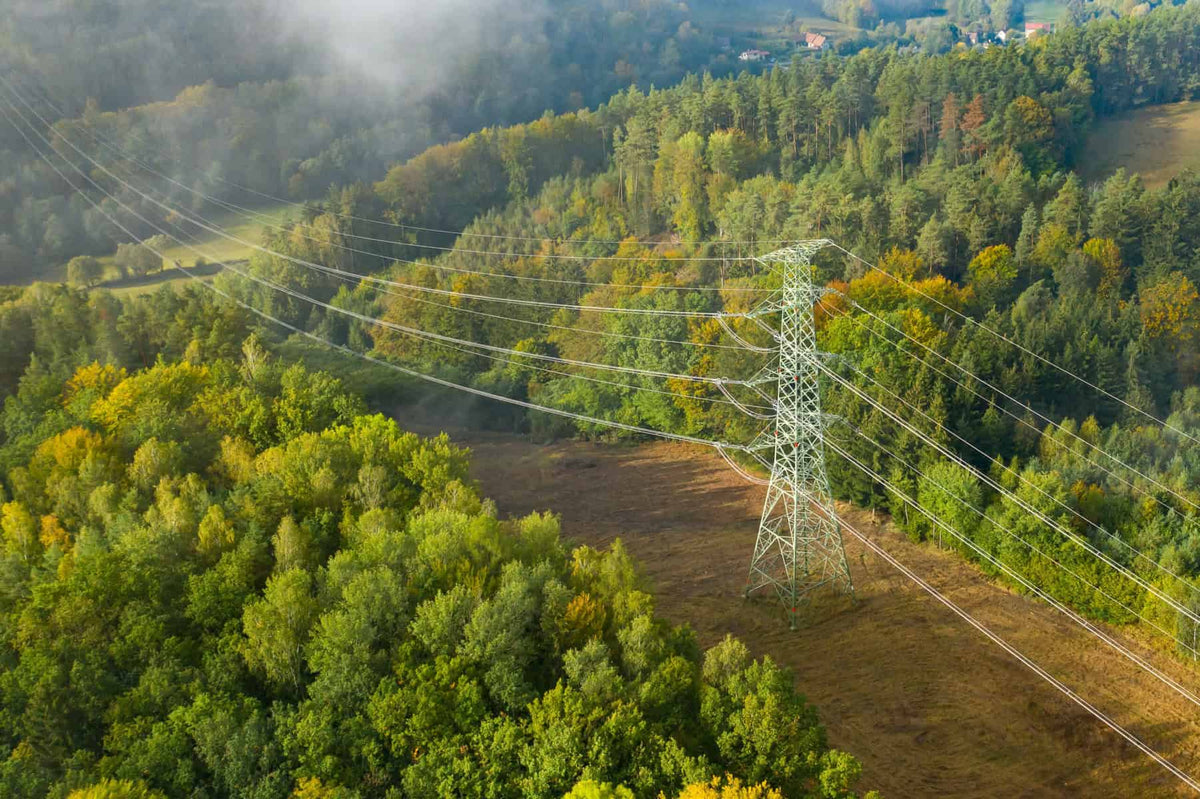
Supply disruption is a chance to review, plan and rotate.
When a major product becomes unavailable, it creates an important moment for the industry to pause, review and adapt. The recent supply disruption affecting a key industrial residual herbicide is a...
Read more