

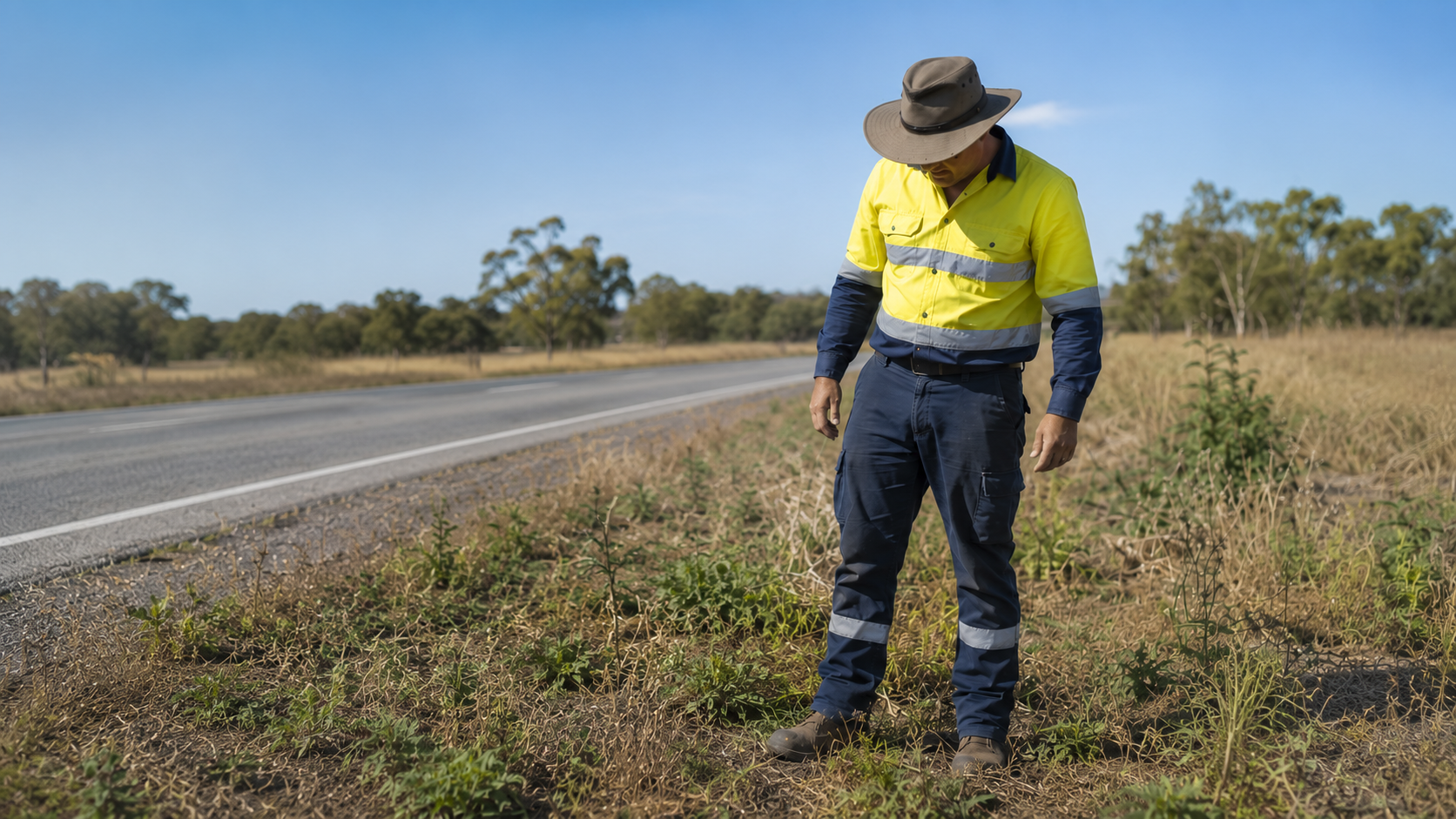
Poor Weed Control? Check More Than the Herbicide
When weed control is poor, the herbicide is often blamed first. Resistance may also be suspected, but it is only one possible explanation. In many cases, the real cause is found in the application process, water quality, equipment or environmental conditions that reduce herbicide performance.
Herbicide resistance occurs when a weed population can survive a herbicide that previously controlled it. Treatment failure simply means the herbicide did not deliver the expected result. The two should not be confused.
Before assuming resistance, operators should systematically review the factors most likely to affect herbicide performance. Water quality is often overlooked, despite being one of the most important variables. Hard water, high pH, suspended solids and dissolved salts can reduce the performance of some herbicides before the spray reaches the target. Testing water quality should therefore form part of routine spray planning.
Application technique is equally important. Incorrect nozzle selection, excessive travel speed, poor boom height, inadequate coverage or inaccurate calibration can all reduce the amount of active ingredient reaching the target weed. Even the best herbicide cannot compensate for poor application.
Following the correct mixing sequence helps prevent compatibility problems and ensures products remain evenly dispersed throughout application. Where compatibility is uncertain, a simple jar test can help avoid an expensive field failure.
Environmental conditions are another common cause of disappointing results. Herbicides generally perform best when weeds are healthy and actively growing. Drought stress, frost, excessive heat, rainfall before the required rainfast period has passed, or treating mature weeds can all significantly reduce control.
Only after these operational factors have been ruled out should resistance become the leading suspect. Resistance is more likely where the correct label rate has been applied, application quality has been high, environmental conditions have been favourable, one weed species consistently survives while neighbouring species are controlled, and the same herbicide mode of action has been used repeatedly.
Poor weed control does not automatically mean the herbicide has failed or resistance is present. More often, the cause is found in water quality, application technique, environmental conditions or operational practices. A systematic diagnosis helps operators and managers identify the real problem, correct it and protect valuable herbicide technologies for the future.
Diagnosis Checklist
The treatment did not work as expected. Check the basics first.
1. Check the target
Was the weed identified correctly?
Was it actively growing?
Was the product suitable for that weed?
2. Check the product and rate
Was the correct product used?
Was the correct label rate applied?
Were label directions followed?
3. Check the water and mixing
Was the water suitable?
Was the tank clean?
Were products added in the correct order?
4. Check the equipment and application
Was the sprayer calibrated?
Were the nozzles clean and operating correctly?
Were nozzle selection, speed, pressure, boom height and coverage suitable?
5. Check the conditions
Were the weeds healthy and actively growing?
Was it too hot, cold, dry or windy?
Did rain fall before the required rainfast period had passed?
6. Look at the failure pattern
Did the whole area fail?
Were there strips, patches or missed areas?
Is it regrowth or new germination?
7. Consider resistance
Have the earlier causes been ruled out?
Has the same herbicide group been used repeatedly?
Did one species survive while nearby weeds were controlled?
Take Action
Record what happened.
Correct the cause.
Seek technical advice from the GWS Team if you need support.

Additional content
VIEW GWS' ADDITIONAL CONTENT TO LEARN MORE ABOUT THE WEED INDUSTRY
Selecting Herbicides Within an Integrated Vegetation Management Program
Effective herbicide selection begins long before a product is chosen. Within an Integrated Vegetation Management (IVM) program, herbicides are selected to support clearly defined management objecti...
Read more
Integrated Vegetation Management: Managing Outcomes, Not Treatments
A vegetation program is not defined by how many times a crew sprays or mows. It is defined by whether the asset is safe, functional and being managed to an agreed standard over time. Integrated Veg...
Read more
Supply disruption is a chance to review, plan and rotate.
When a major product becomes unavailable, it creates an important moment for the industry to pause, review and adapt. The recent supply disruption affecting a key industrial residual herbicide is a...
Read more