
Developing an Annual Vegetation Management Plan for Infrastructure Assets
An Annual Vegetation Management Plan provides the framework for managing infrastructure assets safely, efficiently and sustainably throughout the year. Rather than responding to issues as they arise, a structured annual plan aligns operational activities with organisational objectives, regulatory obligations, available resources and seasonal conditions. The result is a proactive program that delivers more consistent vegetation outcomes while improving budget certainty and operational performance.
The planning process begins by defining clear management objectives. These may include maintaining safe sight lines, protecting critical infrastructure, reducing bushfire risk, controlling declared weeds, conserving environmental values and meeting contractual or service level obligations. Clearly defined objectives ensure every activity contributes to the desired asset outcome.
A comprehensive assessment of assets and sites should then be undertaken. Asset types, vegetation communities, high risk locations, environmental constraints, access limitations and historical treatment records all influence management priorities. Ranking sites according to operational risk and consequence allows resources to be directed where they deliver the greatest value.

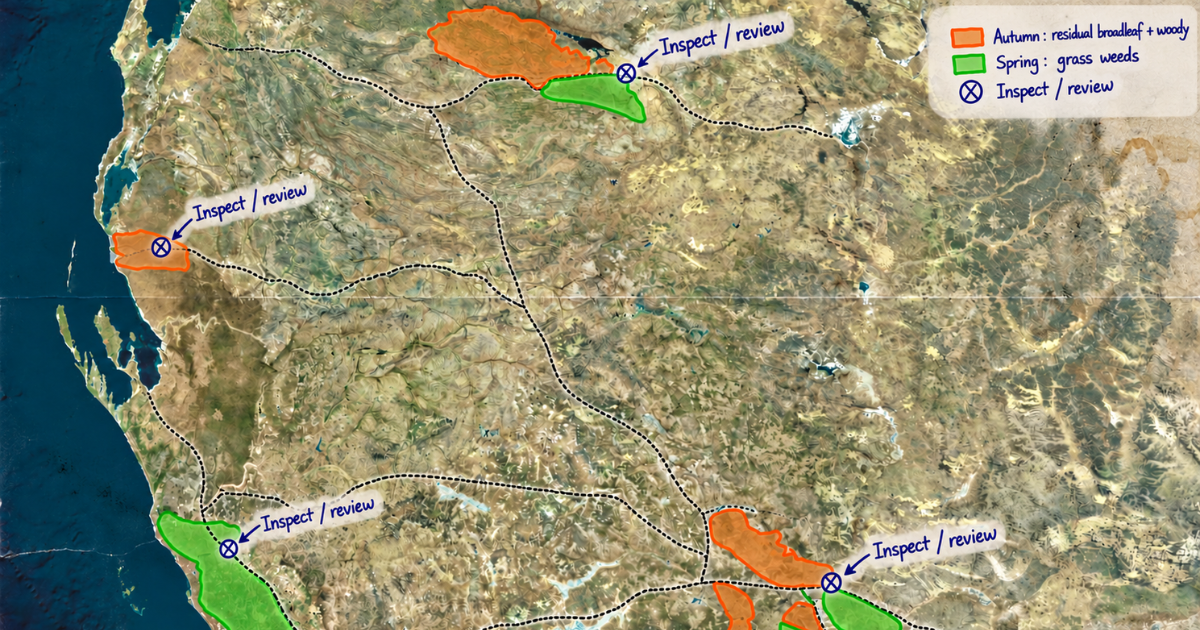
Annual work programs should be developed around weed growth stages, seasonal conditions and operational priorities. Mowing, slashing, herbicide application, revegetation, inspections and follow up treatments should be integrated into a coordinated annual calendar rather than planned as isolated activities.
Integrated Vegetation Management principles should underpin every treatment decision. Chemical, mechanical, cultural and environmental control methods should be combined according to the needs of each asset class. Herbicides remain an important management tool but should complement broader vegetation management strategies rather than replace them.
Effective planning also requires realistic budgeting and resource allocation. Labour requirements, contractor capacity, equipment availability, herbicide and consumable requirements, training needs and contingency resources should all be considered. Looking beyond individual treatment costs to whole of life asset outcomes often delivers greater long term value.
Compliance and risk management must be embedded throughout the program. Product labels, environmental approvals, legislative requirements and organisational procedures should guide operational activities. Spray drift management, protection of waterways, record keeping and incident reporting should all form part of the annual planning process.
Performance should be measured using meaningful indicators such as treatment efficacy, repeat treatment frequency, weed cover, customer complaints, safety incidents, environmental outcomes and budget performance. Reviewing these measures each year allows programs to evolve as new technologies, operational experience and emerging risks are identified.
An effective Annual Vegetation Management Plan is more than a schedule of works. It is a strategic asset management document that integrates planning, operational delivery, monitoring and continuous improvement to achieve safer infrastructure, more predictable budgets and sustainable vegetation outcomes.
Annual Planning Checklist
Define clear management objectives.
Annual Planning Cycle
- Define asset outcomes and service requirements.
- Prioritise sites by risk and asset criticality.
- Map seasonal inspection and treatment windows.
- Set intervention triggers where practical rather than relying only on fixed dates.
- Align treatment strategy with people, equipment, contractor capacity and budget.
- Measure performance, review results and carry lessons into the next annual plan.
Greenway decision rule: An annual plan should define what outcome is required, where to look first, when to decide, what options are available and what evidence will show whether the program worked.
Assess assets, vegetation and operational risks.
Develop seasonal work programs.
Integrate chemical and non chemical control methods.
Plan budgets, resources and contractor requirements.
Measure outcomes and review the program annually.
Use in practice
Use this framework with current product labels, applicable permits, organisational procedures and site-specific risk controls. Record the decision, the treatment and the result so the next intervention can be based on evidence rather than habit.

Additional content
VIEW GWS' ADDITIONAL CONTENT TO LEARN MORE ABOUT THE WEED INDUSTRY
Developing an Annual Vegetation Management Plan for Infrastructure Assets
An Annual Vegetation Management Plan provides the framework for managing infrastructure assets safely, efficiently and sustainably throughout the year. Rather than responding to issues as they aris...
Read more
Selecting Herbicides Within an Integrated Vegetation Management Program
Effective herbicide selection begins long before a product is chosen. Within an Integrated Vegetation Management (IVM) program, herbicides are selected to support clearly defined management objecti...
Read more
Integrated Vegetation Management: Managing Outcomes, Not Treatments
A vegetation program is not defined by how many times a crew sprays or mows. It is defined by whether the asset is safe, functional and being managed to an agreed standard over time. Integrated Veg...
Read more