
Vegetation Risk Assessment for Critical Infrastructure
Vegetation risk assessment provides a structured process for identifying, evaluating and managing vegetation that may affect the safety, reliability or performance of critical infrastructure. Rather than treating vegetation simply because it is present, a risk based approach focuses on where intervention will deliver the greatest benefit while supporting safe, efficient and sustainable asset management.
Vegetation becomes a management issue when it has the potential to compromise safety, service delivery, environmental values or regulatory compliance. Effective risk management considers both the likelihood of an event occurring and the consequence should that event occur. This allows treatment priorities to be based on objective risk rather than routine maintenance schedules or convenience.
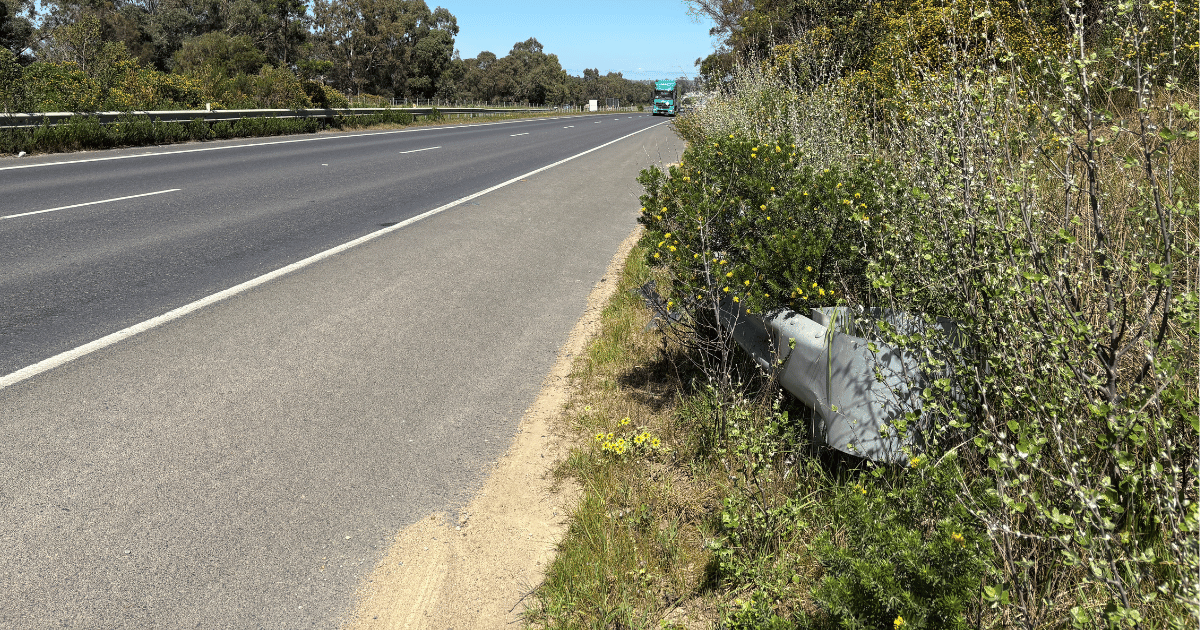
Common vegetation risks include reduced sight distance at intersections, vegetation encroachment onto roads and rail corridors, clearance issues around powerlines and utilities, bushfire fuel accumulation, invasive weed infestations, blocked drainage systems, damage to infrastructure from tree roots and impacts on waterways or biodiversity values. Each risk should be assessed within the context of the surrounding asset and its operational importance.
A practical vegetation risk assessment begins by identifying the asset and inspecting surrounding vegetation. Vegetation condition, species, growth stage and location should be assessed before determining the likelihood of failure or impact and the potential consequence. These factors are combined to assign a risk rating that guides treatment priorities. Assessments should be repeated at scheduled intervals and following major weather events or other incidents that may alter risk.
Treatment selection should follow Integrated Vegetation Management principles. Depending on the risk, appropriate controls may include pruning, mowing, slashing, selective herbicide application, revegetation, erosion control, drainage improvements or increasing inspection frequency. The preferred option is the least intrusive treatment that effectively manages the identified risk while protecting environmental values.
Resources should always be prioritised according to risk rather than convenience. High consequence locations such as intersections, rail crossings, substations, high pressure pipelines and critical utility corridors generally require more frequent inspections and faster intervention than lower consequence sites.
Accurate documentation supports better decision making over time. Inspection records, identified hazards, treatment actions and follow up observations provide valuable information for budgeting, contractor management, compliance and continuous improvement. Trend analysis allows organisations to identify recurring issues and refine future maintenance programs.
Vegetation risk assessment should be integrated into organisational asset management systems rather than operating as a separate maintenance activity. Aligning vegetation programs with asset criticality, renewal planning and operational objectives improves long term performance while providing a defensible basis for management decisions.
Risk based vegetation management enables organisations to focus effort where it matters most. A consistent assessment process improves safety, operational efficiency, environmental stewardship and the long term reliability of critical infrastructure.
Vegetation Risk Assessment Checklist
Identify the asset and its criticality.
Vegetation Risk Workflow
- Identify the asset and the function that must be protected.
- Describe the vegetation hazard and the credible way it could affect the asset.
- Assess likelihood and consequence using the organisation’s approved risk framework.
- Assign priority and response time.
- Select controls proportionate to the risk; the risk rating does not prescribe the treatment.
- Record residual risk, evidence and the trigger for reassessment.
Greenway decision rule: Prioritise vegetation by the risk it creates for the asset—not by how visible, easy or familiar the treatment is.
Inspect vegetation condition and surrounding hazards.
Assess likelihood and consequence.
Assign a risk rating and prioritise treatment.
Select the least intrusive effective control.
Record findings, monitor outcomes and review regularly.
Use in practice
Use this framework with current product labels, applicable permits, organisational procedures and site-specific risk controls. Record the decision, the treatment and the result so the next intervention can be based on evidence rather than habit.


Additional content
VIEW GWS' ADDITIONAL CONTENT TO LEARN MORE ABOUT THE WEED INDUSTRY
Vegetation Risk Assessment for Critical Infrastructure
Vegetation risk assessment provides a structured process for identifying, evaluating and managing vegetation that may affect the safety, reliability or performance of critical infrastructure. Rathe...
Read more
Understanding Herbicide Modes of Action
Selecting a herbicide involves more than identifying the target weed. To achieve reliable long term vegetation outcomes, vegetation managers must also understand how herbicides work within the plan...
Read more
Developing an Annual Vegetation Management Plan for Infrastructure Assets
An Annual Vegetation Management Plan provides the framework for managing infrastructure assets safely, efficiently and sustainably throughout the year. Rather than responding to issues as they aris...
Read more