Industrial Vegetation Management: Balancing Growth and Control
Industrial Vegetation Management in Australia: Balancing Growth and Control
Industrial vegetation management is a critical practice in Australia, where vast landscapes encompass diverse industries, from agriculture to infrastructure development. This multifaceted approach aims to strike a balance between promoting the healthy growth of vegetation and controlling unwanted or invasive species.
In this article, we will explore industrial vegetation management in Australia, its significance, the types of assets involved, and the processes that integrate mechanical intervention with herbicide use to regulate vegetation effectively.
Understanding Industrial Vegetation Management
Industrial vegetation management is a systematic and strategic approach to managing vegetation in various sectors, including agriculture, forestry, energy, utilities, and transportation. The primary objectives are to ensure the safety of assets and infrastructure, promote environmental sustainability, and control the growth of unwanted plants, including invasive weeds.
Types of Assets Worked On
-
Transportation Infrastructure:
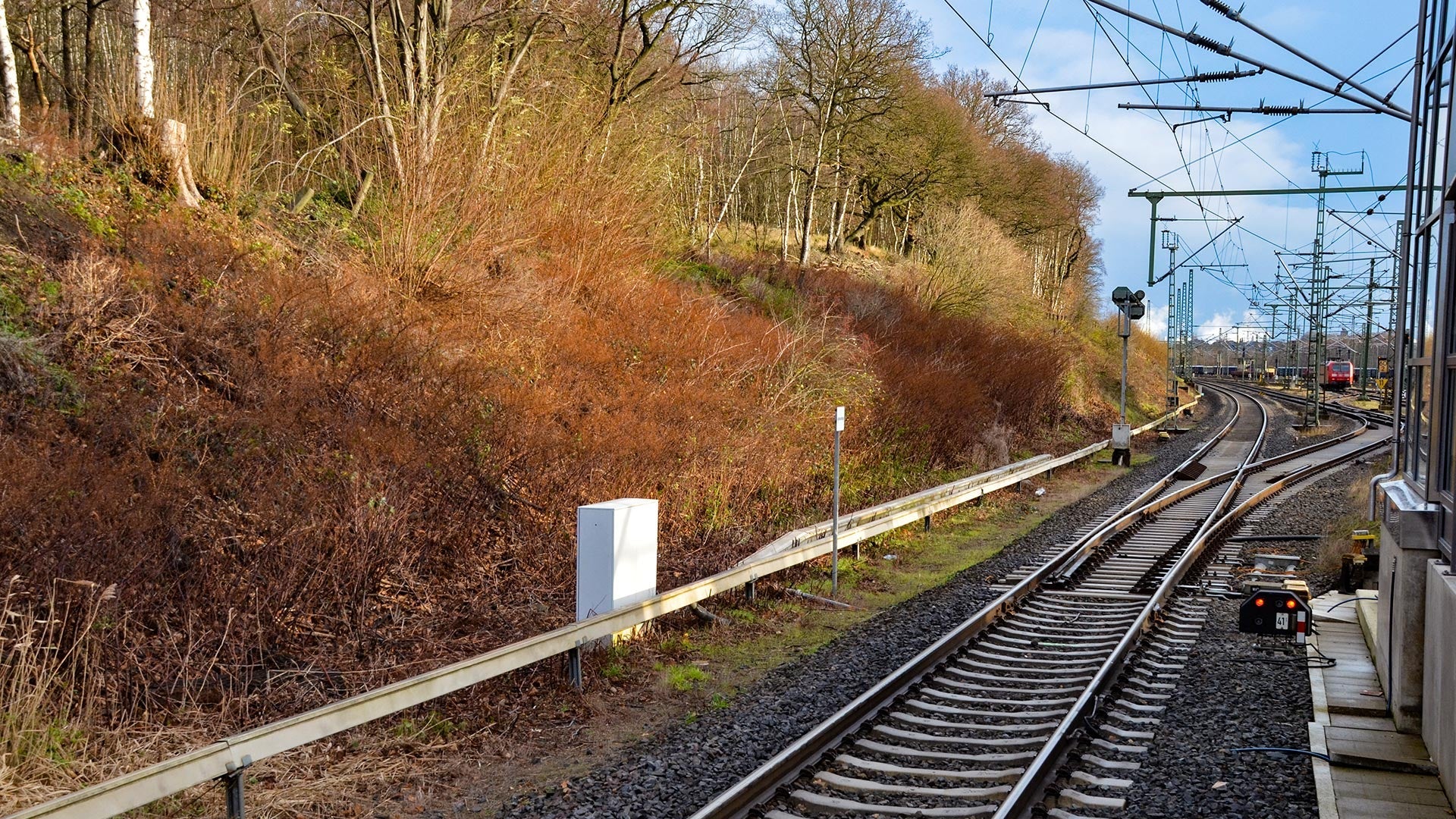
Industrial vegetation management is crucial for maintaining road and rail networks. Vegetation around transport routes must be controlled to ensure visibility, extend asset life, prevent obstruction, and reduce fire hazards.
-
Utility Infrastructure:
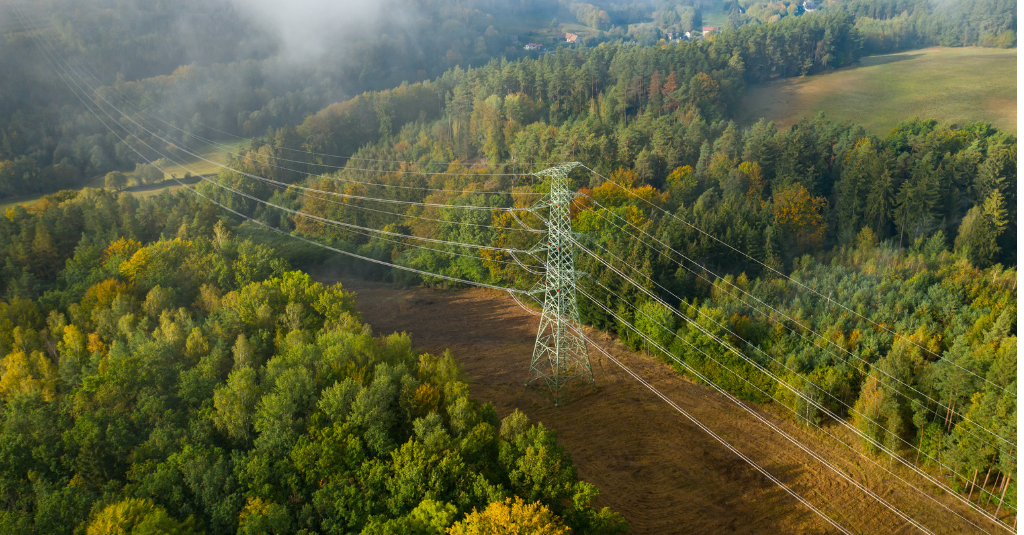
Vegetation management plays a pivotal role in maintaining power lines, pipelines, and other utilities. Overgrown vegetation can pose a risk of equipment damage and power outages.
-
Agricultural Land:
In agriculture, vegetation management is essential for optimising crop yields and preventing weed competition. Effective management ensures that valuable crops receive the resources they need.
-
Natural Reserves:
Conservation efforts often require vegetation management to maintain the health of native flora and fauna. Controlling invasive species is crucial for preserving biodiversity.
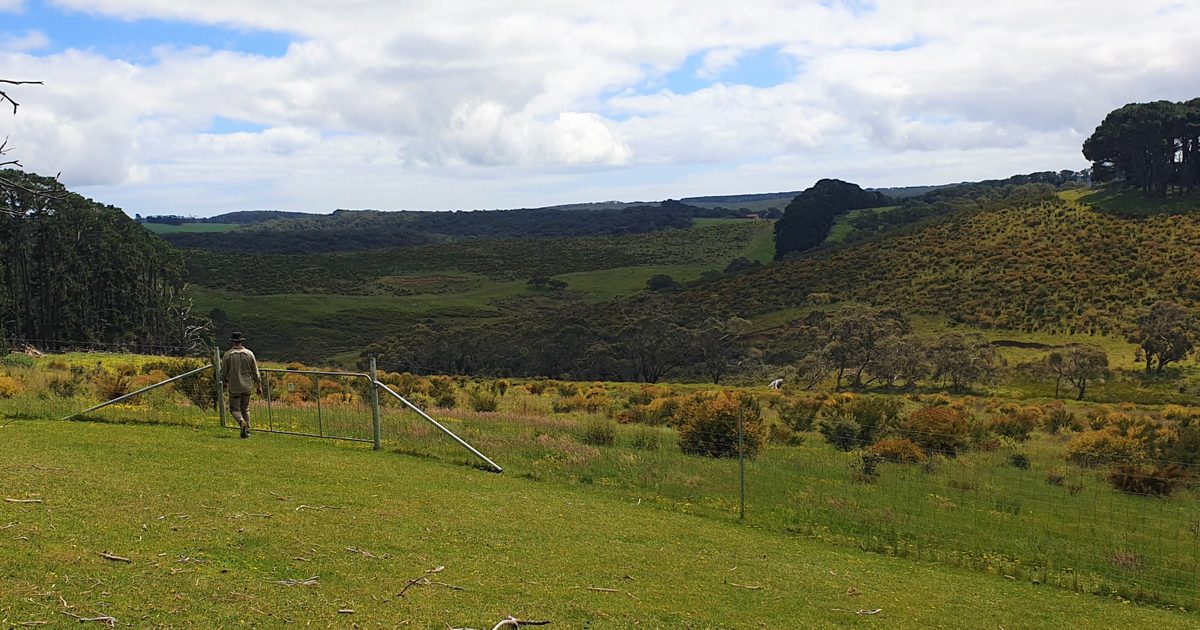
The Processes of Industrial Vegetation Management
Industrial vegetation management in Australia typically involves a combination of mechanical intervention and the use of herbicides. The following processes highlight this integrated approach:
-
Assessment and Planning:
The process begins with a thorough assessment of the site and its specific requirements. This step identifies target vegetation, assesses risks, site constraints, overall objectives and formulates a comprehensive management plan.
-
Mechanical Intervention:
Mechanical methods include mowing, slashing, mulching, and tree trimming. These processes help control vegetation growth in cyclical manner or as preparation for a targeted herbicide application.
-
Herbicide Application:
Herbicides are strategically applied to target unwanted or invasive vegetation to kill the targeted plant. The choice of herbicide depends on the type of plants and the desired level of control. It is essential to follow label instructions and use herbicides in an environmentally responsible manner.
-
Monitoring and Maintenance:
Industrial vegetation management is an ongoing process. Regular monitoring ensures that control measures are effective, and adjustments can be made as needed to maintain safety and environmental sustainability.
-
Environmental Considerations:
To minimise the environmental impact, industrial vegetation management practices often include strategies to protect non-target species, preserve water quality, and promote sustainable land management.
Industrial vegetation management in Australia is a vital practice that addresses the diverse needs of multiple industries while prioritising environmental sustainability. By combining mechanical intervention with targeted herbicide application, this approach ensures the safety of assets, efficiency of control of undesirable vegetation, supports agriculture, conserves natural ecosystems, and maintains the integrity of essential infrastructure. As Australia continues to grow and develop, industrial vegetation management will remain a critical tool for balancing growth and control in an ever-changing landscape.


Additional content
VIEW GWS' ADDITIONAL CONTENT TO LEARN MORE ABOUT THE WEED INDUSTRY
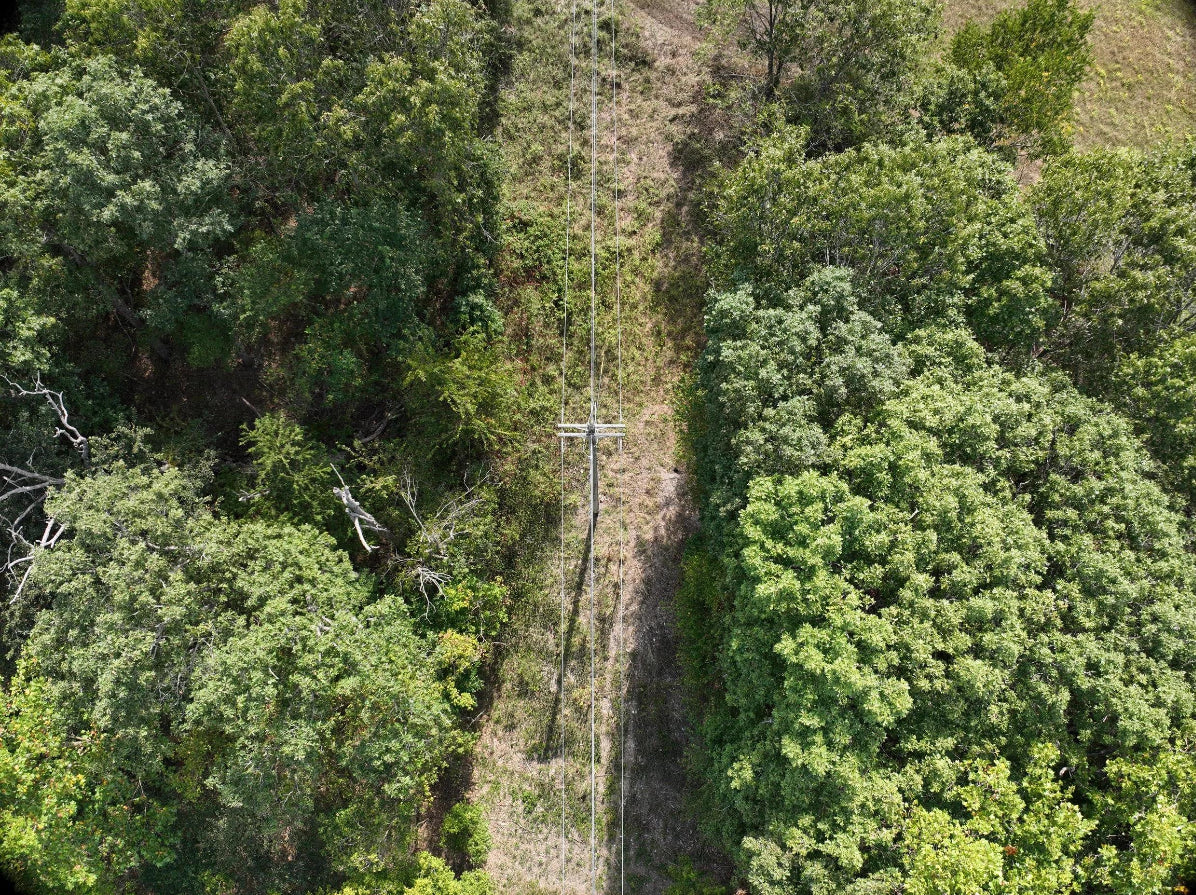
Artificial Intelligence and the Future of Infrastructure Vegetation Management
One of the more significant themes emerging from ROW 14 was the increasing integration of artificial intelligence into mainstream infrastructure and environmental management workflows. While much o...
Read more
Technology Integration Is Becoming the Next Challenge in Utility Vegetation Management
A major theme emerging from the ROW14 Conference was that the utility vegetation management sector is rapidly moving beyond simply collecting data and is now entering a phase focused on operational...
Read more
Condition Based Utility Vegetation Management Is Moving From Theory to Operational Reality
One of the strongest operational discussions emerging from the ROW14 Conference came from Robert Vanderhoof from Arbormetrics, focusing on the transition from traditional cycle based vegetation man...
Read more