

Technology Integration Is Becoming the Next Challenge in Utility Vegetation Management
A major theme emerging from the ROW14 Conference was that the utility vegetation management sector is rapidly moving beyond simply collecting data and is now entering a phase focused on operational integration.
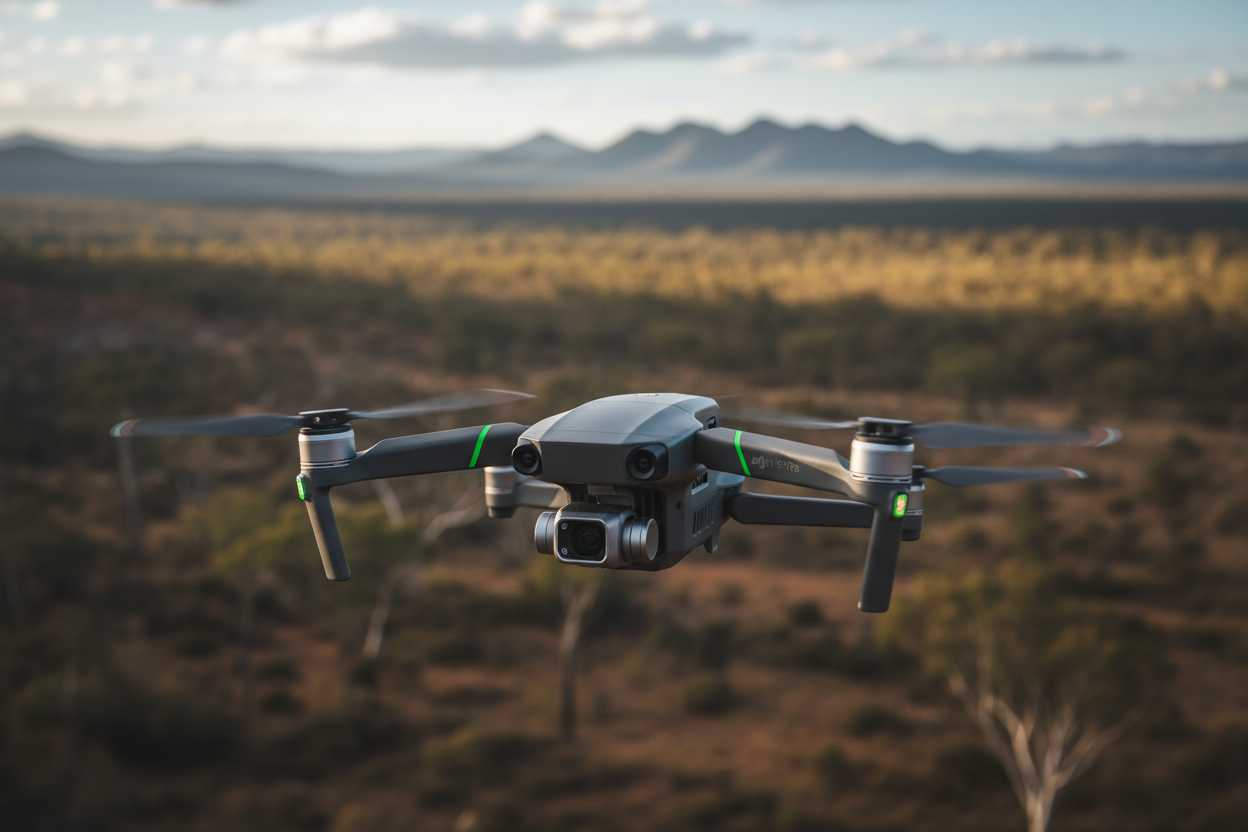
A presentation from Liz Fulton, Digital Technology Leader at Asplundh, focused heavily on how utilities are integrating drone imagery, LiDAR, remote sensing, geospatial analytics and operational intelligence platforms into practical vegetation management workflows.
One of the strongest messages from the presentation was that technology itself is not the objective.
The objective is improved operational decision making, targeted intervention and measurable risk reduction.
The presentation strongly cautioned against chasing “shiny technology” without first understanding what operational outcome is being sought, what risk is being managed, what information field crews actually require and how the organisation intends to operationalise the resulting data.
The discussion reinforced that utilities should not begin by asking:
Should we use drones?
Should we use LiDAR?
Should we use AI?
Instead, the starting point should be:
What are we trying to achieve?
What risk are we trying to reduce?
What information supports operational decisions?
What data improves field execution?
The session outlined several critical technology layers now emerging within modern utility vegetation management programs:
• remote sensing and acquisition,
• geospatial analytics,
• operational intelligence,
• work management systems,
• field execution platforms,
• continuous operational feedback loops.
A particularly important point raised throughout the session was that no single technology platform independently solves utility vegetation management.
Modern programs increasingly rely on integrated systems involving drones, LiDAR, satellite imagery, machine learning, geospatial analysis, digital work management and field data capture.
The presentation also reinforced the importance of foundational data quality.
Before advanced analytics become operationally useful, utilities still require accurate spatial alignment, digital terrain models, digital surface models, QA and QC processes, repeatable acquisition workflows and reliable field validation.
If the underlying data is inaccurate, downstream operational analytics become unreliable as well.

Another strong operational theme throughout the presentation was that identifying defects or vegetation risk is only the beginning of the process.
Utilities must then determine how the work will be executed, what equipment is required, what access constraints exist, what treatment methodologies are appropriate and how operational decisions are fed back into the broader management system.
The discussion around virtual inspection was particularly relevant.
Rather than relying entirely on physical corridor inspections, utilities can increasingly use remotely captured spatial data to inspect corridors virtually, assess vegetation conditions, identify operational constraints, review treatment requirements and support planning decisions before crews enter the field.
The presentation also reinforced that condition based utility vegetation management is not simply a technology upgrade.
It is an operational and organisational shift toward continuous monitoring, data driven decisions, targeted intervention, predictive risk management, integrated field execution and measurable operational intelligence.
Perhaps the strongest message from the session was that technology alone does not deliver better vegetation management outcomes.
The real value comes from integrating technology, operational systems, field execution, qualified personnel and organisational decision making into a single repeatable management framework.
That is where the next stage of utility vegetation management evolution is now occurring.

Additional content
VIEW GWS' ADDITIONAL CONTENT TO LEARN MORE ABOUT THE WEED INDUSTRY
Selecting Herbicides Within an Integrated Vegetation Management Program
Effective herbicide selection begins long before a product is chosen. Within an Integrated Vegetation Management (IVM) program, herbicides are selected to support clearly defined management objecti...
Read more
Integrated Vegetation Management: Managing Outcomes, Not Treatments
A vegetation program is not defined by how many times a crew sprays or mows. It is defined by whether the asset is safe, functional and being managed to an agreed standard over time. Integrated Veg...
Read more
Supply disruption is a chance to review, plan and rotate.
When a major product becomes unavailable, it creates an important moment for the industry to pause, review and adapt. The recent supply disruption affecting a key industrial residual herbicide is a...
Read more