



Corteva Vigilant II Gel Herbicide Picloram Aminopyralid

Group 4 Herbicide
Vigilant II is the new convenient way of controlling noxious and environmental weeds. It has shown good activity on 49 weeds ranging from African Boxthorn to Wild tobacco tree.
Formulated as a gel, Vigilant II is ready for use straight out of the pack with no mixing required. Vigilant II is designed for use in sensitive areas with minimal impact to the environment and non-target plants.
Vigilant II contains the powerful active ingredients aminopyralid and picloram, which deliver:
- Fast brownout so you know where you’ve been
- Superior knockdown of target plants
- Control of a wide range of weeds.
Vigilant II can be used year round although effectiveness may decrease slightly in colder months and cooler climates.
Key Features
- Specialty herbicide for use as a spot treatment for a wide range of common troublesome woody, rhizomatous and herbaceous weeds.
- A ready-to-use gel packed in an applicator pack that requires no preparation prior to use and provides targeted weed control with minimal off-target risk.
- Particularly useful for rapid treatment of isolated weeds where access for foliar spray equipment is difficult or where foliar treatment may cause off-target spray drift and damage to desirable trees or crops.
- Blue-coloured gel ensures users can clearly see which weeds have been treated.
Key Weeds Controlled:
- African Boxthorn
- African Olive
- Bitou/Boneseed
- Blackberry
- Broadleaf pepper
- Camphor Laurel
- Canna lily
- Cape Broom
- Cape ivy
- Castor oil plant
- Cats claw creeper
- Cheery guava
- Chinese celtis
- Chinese tallow
- Cockspur
- Coral tree
- Cotoneaster
- Corse
- Green cestrum
- Croundsel bush
- Honey locust
- Japanese sunflower
- Lantana
- Ludwigia
- Madeira vine
- Mesquite
- Miconia
- Morning glory
- Moth vine
- Murraya
- Mysore thorn
- Ochna
- Oleander
- Parkinsonia
- Prickly acacia
- Privet
- Rhus tree
- Scotch/English broom
- Senna
- Siam weed
- Sweet briar
- Sweet pittosporum
- Tiger lily
- Tree of heaven
- Umbrella tree
- Wandering jew (trad)
- Wild tobacco tree
SHORT DESCRIPTION
Vigilant II is the new convenient way of controlling noxious and environmental weeds. It has shown good activity on 49 weeds ranging from African Boxthorn to Wild tobacco tree.
ACTIVE INGREDIENTS
4.47 g/L aminopyralid
44.7 g/L picloram
WEEDS CONTROLLED
Key Weeds Controlled:
African Boxthorn
African Olive
Bitou/Boneseed
Blackberry
Broadleaf pepper
Camphor Laurel
Canna lily
Cape Broom
Cape ivy
Castor oil plant
Cats claw creeper
Cheery guava
Chinese celtis
Chinese tallow
Cockspur
Coral tree
Cotoneaster
Corse
Green cestrum
Croundsel bush
Honey locust
Japanese sunflower
Lantana
Ludwigia
Madeira vine
Mesquite
Miconia
Morning glory
Moth vine
Murraya
Mysore thorn
Ochna
Oleander
Parkinsonia
Prickly acacia
Privet
Rhus tree
Scotch/English broom
Senna
Siam weed
Sweet briar
Sweet pittosporum
Tiger lily
Tree of heaven
Umbrella tree
Wandering jew (trad)
Wild tobacco tree
LABEL, SDS & TECH SHEET
SHIPPING & RETURNS
Greenway Weed Solutions has a distribution centre in QLD only, All orders, Australia-wide will be shipped from this location.
Shipping is automatically calculated at checkout. Shipping rates are determined by total order weight and delivery location.
Pickups are available from the QLD warehouse. Updates to product availability in other Australian warehouses are upcoming.
Choose options
explore our latest Blogs
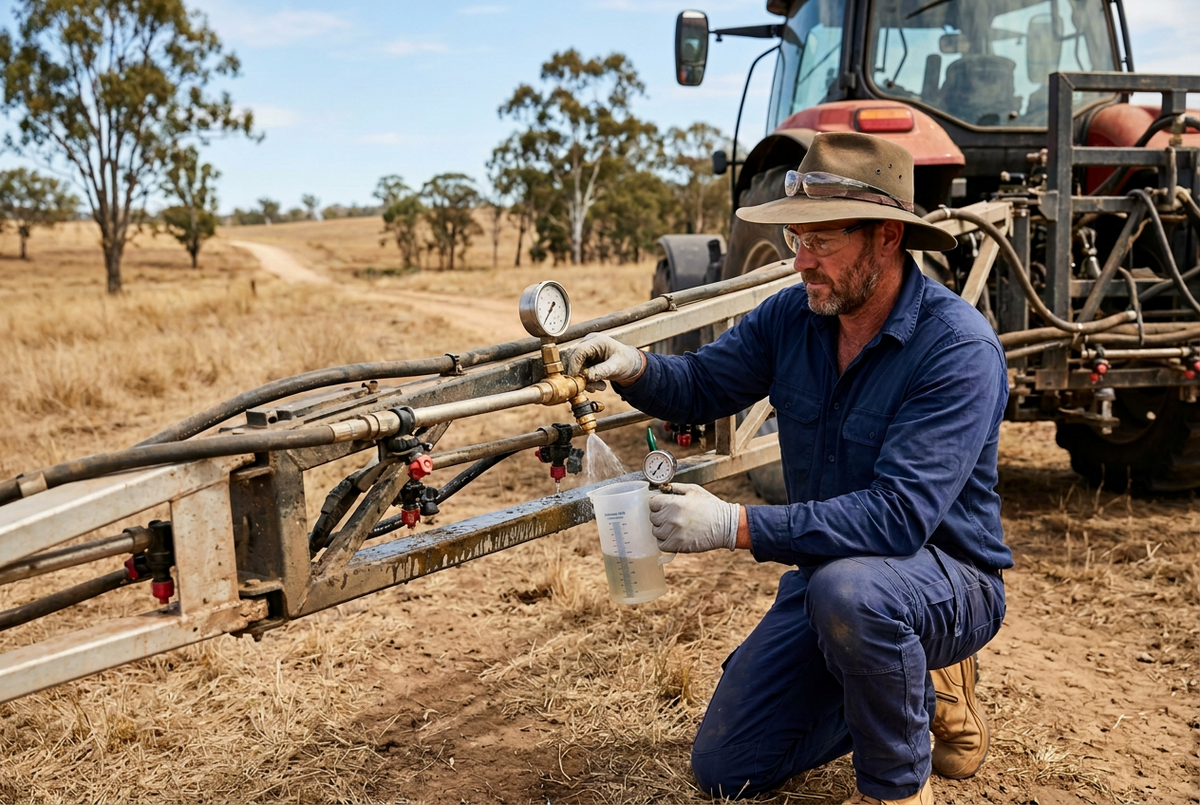
Spray Application Fundamentals: Calibration, Coverage and Application Quality
The success of a herbicide program depends on more than selecting the correct product. Even the most appropriate herbicide applied at the correct label rate can fail if it is not accurately deliver...
Read more
Developing Outcome-Based Vegetation Management Specifications
Many vegetation management contracts fail because they specify activities rather than the asset outcome to be achieved. Prescribing three spray rounds or two mowing cycles does not guarantee safe r...
Read more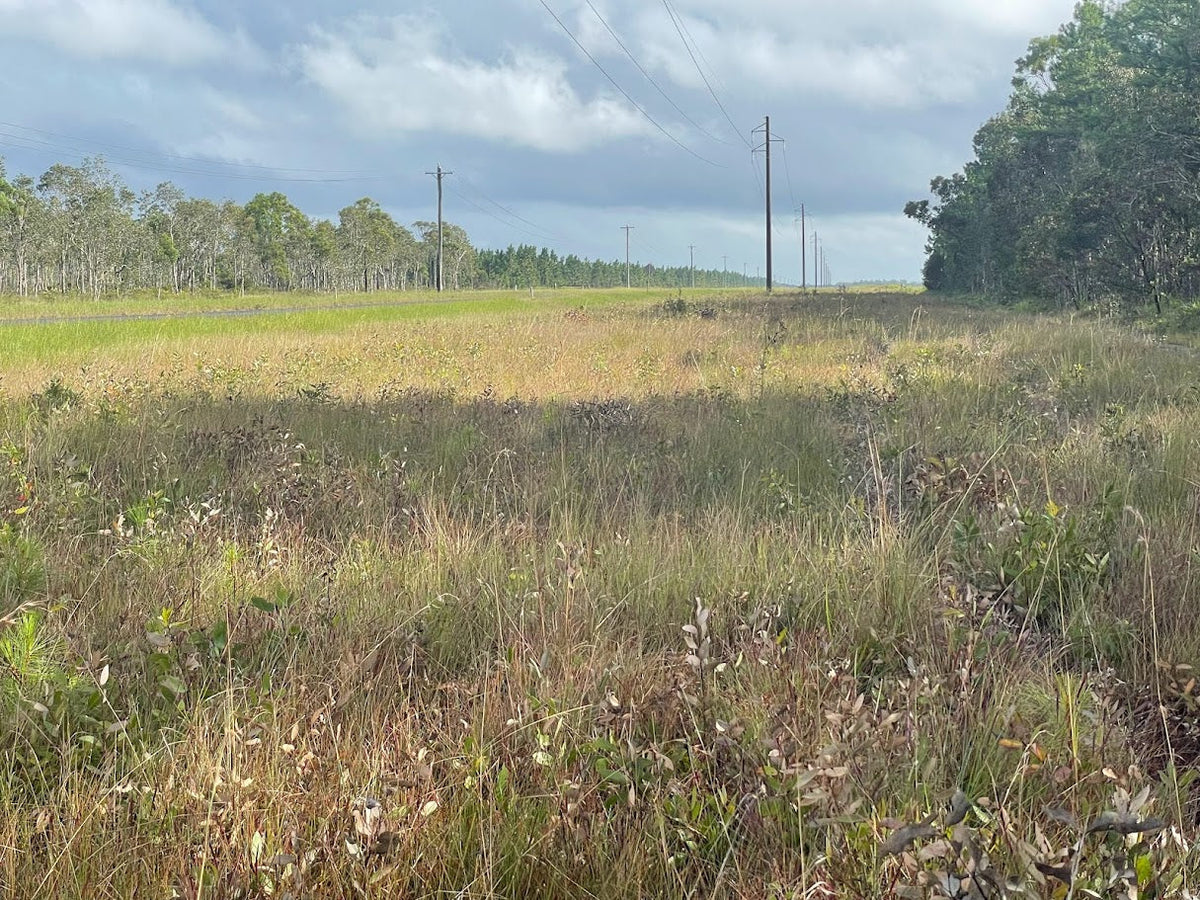
Herbicide Resistance Management for Infrastructure Assets
Herbicide resistance is one of the most significant long term risks facing vegetation management. Left unmanaged, it can reduce treatment options, increase operational costs and compromise the effe...
Read more