Integrated Vegetation Management: Managing Outcomes, Not Treatments
A vegetation program is not defined by how many times a crew sprays or mows. It is defined by whether the asset is safe, functional and being managed to an agreed standard over time.
Integrated Vegetation Management (IVM) gives asset owners a practical way to make those decisions. It begins with the outcome required at a site, then brings together the information and controls needed to achieve it.
Herbicides may be part of the answer, but they sit alongside mechanical, cultural and site-management measures rather than replacing a plan.
Start with the asset outcome
The required outcome will vary between assets.
A road reserve may need clear sightlines at intersections, vegetation controlled around signs and guideposts, functioning drainage and appropriate vegetation height along the roadside.
A utility corridor may require reliable access to critical infrastructure while retaining desirable ground cover elsewhere.
Rail corridors, waterways, parks, solar facilities and industrial sites will each have different operational requirements, environmental constraints, vegetation pressures and expectations from the people who manage or use them.
That means the first question should not necessarily be “What should we spray?”
It should be:
“What does this asset need to look like and do?”
Once that outcome is understood, vegetation management becomes a process of selecting the most appropriate controls to achieve it.
Understand the site before selecting the treatment
The next step is to understand what is happening at the site.
What vegetation is present? Which species are causing the problem? What vegetation should be retained? Are there sensitive areas, drainage lines, waterways, neighbouring properties or public-access considerations? What treatments have previously been used, and what happened afterwards?
Those questions help determine which controls are appropriate.
Depending on the site and objective, the program may include selective or non-selective herbicides, mowing, slashing, hand removal, revegetation, mulching, drainage improvements, hygiene measures or a combination of approaches.
The objective is not to use every available technique. It is to select the combination that best addresses the vegetation problem while meeting the operational and environmental requirements of the asset.
A practical IVM decision framework
A useful way to structure the decision is:
Outcome → Site condition → Constraints → Control options → Treatment → Measurement → Next decision
Outcome: What condition or function must the asset achieve?
Site condition: What vegetation or site issue is preventing that outcome?
Constraints: What operational, environmental, regulatory or site factors limit the available options?
Control options: Which chemical, mechanical, cultural or site-management controls are appropriate?
Treatment: Which control, or combination of controls, should be implemented?
Measurement: What will demonstrate that the treatment worked?
Next decision: What does the result tell us about the next intervention?
This creates a repeatable process rather than automatically applying the same treatment because it was used previously.
Measure the outcome, not just the activity
IVM also changes how success is judged.
Counting hectares treated, kilometres sprayed or mowing cycles completed tells us that work occurred. It does not necessarily tell us whether the vegetation-management objective was achieved.
Did sight distance improve?
Did drainage remain clear?
Did the priority weed population decline?
Was access to the asset maintained?
Did desirable vegetation survive or improve?
Did the treatment last for the expected period?
Those outcomes should be defined before treatment and reviewed afterwards.
Over time, this information becomes valuable. It allows managers to compare treatments, understand where particular approaches work or fail, adjust timing and allocate resources according to actual site performance.
IVM does not automatically mean using less herbicide
Integrated Vegetation Management is sometimes interpreted simply as reducing herbicide use.
That is not necessarily the outcome.
Some sites may require less herbicide as other controls become established. Others may benefit from a well-timed herbicide treatment because it provides the most effective way to achieve the required outcome. In other situations, mechanical, preventative or site-management measures may reduce the need for repeated intervention.
IVM is therefore not a promise that every site will use less herbicide, require fewer treatments or cost less.
It is a disciplined way of deciding why a treatment is being undertaken, which treatment is appropriate and whether it achieved the required result.
Turning a program into an IVM program
An organisation does not need to redesign its entire vegetation program at once.
A practical starting point is to select one asset type or recurring vegetation problem and ask five questions:
- What condition does this asset need to achieve?
- What vegetation or site issue is preventing that condition?
- What constraints influence the controls available to us?
- Which combination of controls best addresses the problem?
- What will we measure to determine whether it worked?
The existing treatment history can then be compared with alternative approaches through a controlled and measurable trial.
That is where IVM becomes useful.
Rather than measuring success by how much work was completed, vegetation managers can begin measuring whether the condition of the asset actually improved.
When objectives, treatment choices and monitoring are connected, each intervention produces information for the next decision.
The program stops being a schedule of treatments and becomes a system for managing the asset.

Additional content
VIEW GWS' ADDITIONAL CONTENT TO LEARN MORE ABOUT THE WEED INDUSTRY
Integrated Vegetation Management: Managing Outcomes, Not Treatments
A vegetation program is not defined by how many times a crew sprays or mows. It is defined by whether the asset is safe, functional and being managed to an agreed standard over time. Integrated Veg...
Read more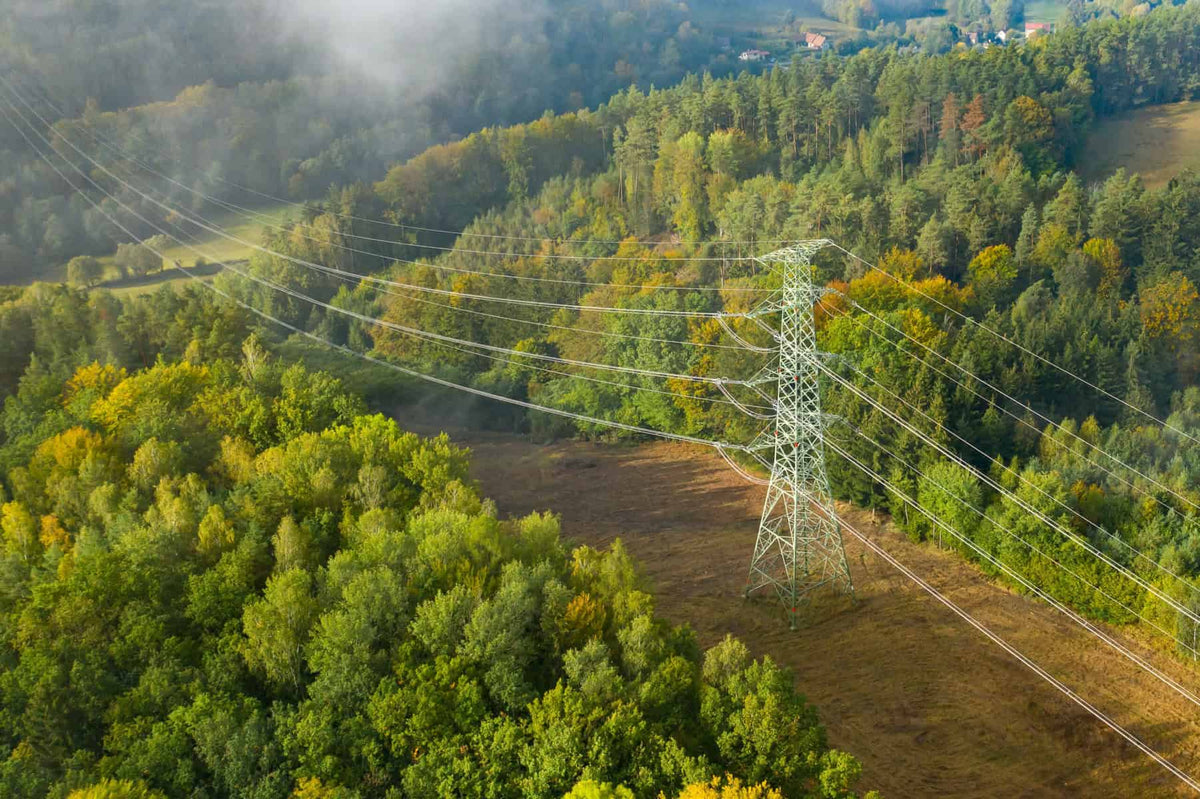
Supply disruption is a chance to review, plan and rotate.
When a major product becomes unavailable, it creates an important moment for the industry to pause, review and adapt. The recent supply disruption affecting a key industrial residual herbicide is a...
Read more
Herbicide Resistance: Protecting the Tools We Still Have
Herbicide resistance is usually noticed when something stops working. A treatment that once delivered reliable control begins leaving survivors and attention quickly turns to what product should be...
Read more